




Multi-National Fleets Will Feel Impact of Corporate Compliance with the Kyoto Global Warming Treaty
The Kyoto Protocol, which seeks to reduce global greenhouse emissions, will become effective Feb. 16 in 132 countries that signed the treaty. Even though the U.S. is not a signatory to the treaty, U.S. companies with operations in Kyoto-participating countries will be required to curb their greenhouse gas pollution in those nations. One major U.S. pharmaceutical company has determined that its corporate fleet is the second largest source of greenhouse emis-sions for the organization. Several fleet managers at U.S. multi-nationals report that pressure is beginning to be exerted on their fleet operations through the corporation’s environmental/health department. As one fleet manager said anonymously: “Many fleets have been flying under the radar screen with this issue, but the tentacles are starting to come out and drag us all in.”
Probably the most noteworthy example is Matsushita Electric Industrial Co., which announced in December 2004 that it would replace all 14,000 of its company vehicles with low-emission vehicles (LEV) and hybrids by fiscal 2010, although this does not include its U.S. fleet operations. In addition, the company, also known by its Panasonic brand name, is considering setting up its own financing system whereby approximately 140,000 Matsushita group employees could access low-interest loans to buy eco-friendly cars for personal use.
Shortly after the Matsushita announcement, Japan Tobacco said on Jan. 22 that it would replace all of its 3,787 vehicles with hybrid or compressed natural gas vehicles in an effort to reduce carbon dioxide emissions. Japan Tobacco is part of the JT Group, which said it plans to switch all 5,000 vehicles to cleaner emission vehicles.
Other corporations are exploring similar initiatives. For example, Roche Pharmaceuticals in the U.S. announced it will buy hybrid vehicles as part of the company’s commitment to lower greenhouse gas emissions by 10 percent over the next five years. Roche is acquiring Toyota Prius and Ford Escape hybrid vehicles for its pharmaceutical sales fleet. Initially, only 20 hybrids are involved in the pilot program, but “we plan to continue to add hybrids and other fuel-efficient vehicles into the 1,400-car sales force and eventually replace our entire fleet,” said Jack Kace, vice president, corporate environmental & safety affairs for Roche Pharmaceuticals.
With less fanfare, other companies are also implementing similar changes to their fleet selectors. For instance, GE Fleet Services reports an increase of approximately 12-percent year-over-year demand for hybrid or flex-fuel vehicles, said Tim Duckworth, manager, manufacturer relations for GE Commercial Finance, Fleet Services. “As long as fuel prices remain high and as OEMs produce more hybrid models, we can anticipate this to be a significant growth area.” Similarly, PHH Arval recently completed a fleet-related environmental survey in which more than one quarter of the commercial fleet managers surveyed stated they already have or are seriously considering adding alternative-fuel vehicles to their fleets. (See July 2004 AF.) According to the PHH survey, government regulations top the list of reasons why corpo-ations have made the environment a business priority. However, corporate responsibility and the opportunity to enhance a company’s image among investors, the community, and customers are also key motivators. Some companies have made a point to reduce greenhouse gas emissions as a demonstration of social responsibility and a commitment to “do the right thing.”
George Kilroy, president and CEO of PHH says, “Many of our clients are altering the types of vehicles they use in their fleets and implementing better management practices to reduce fuel costs and dramatically reduce greenhouse emissions. For instance, a fleet of 1,000 vehicles produces about 14,000 tons of greenhouse gas emissions. By shifting from full-size to mid-size cars, from SUVs to mid-size or introducing hybrids into the fleet, these emis-sions can be reduced by as much as one-third.”
State & Municipal Fleets to Comply with Kyoto
Several state governments and political subdivisions in the U.S. have said that they intend to comply with the Kyoto treaty even though the federal government has not signed it. For instance, Mayor Rocky Anderson of Salt Lake City, Utah, has stated that the city plans to abide by the Kyoto Protocol for its municipal operations. One way that Salt Lake City is seeking to reduce greenhouse emissions is by converting part of its fleet to AFV vehicles and downsizing the fleet wherever possible. “In order to improve our air quality, we will continue to right-size our city fleet and convert it to alternative-fuel vehicles,” said Anderson. Over the past five years, Salt Lake City has eliminated 36 SUVs from the city fleet, six of them in 2004. “As fleet vehicles need to be replaced, we will continue to replace them with hybrid and alternative-fuel vehicles until these energy-efficient vehicles make up our entire fleet,” said Anderson.
Another example is Washington state, where Gov. Locke announced Dec. 28 a freeze on state government purchase of four-wheel drive SUVs and directed the state motor pool to begin shifting its purchases to hybrid vehicles. Likewise, the City of Seattle, Wash., and the state of Oregon have adopted green fleet programs to purchase hybrid vehicles to reduce fuel consumption and emissions by government-owned cars and trucks.
The question is whether this is an emerging trend or isolated corporate initiatives. Let me know what you think.
mike.antich@bobit.com
More Blog Posts

Fleets Want Trust Restored with Suppliers
During this period of ongoing supply constraints, the trust that fleet managers had with OEMs, upfitters, and dealers has been strained. Fleet managers say they have had too many experiences over the past three years coping with erroneous information, adjusting to multiple price increases, and feeling betrayed by inadequate transparency from suppliers.
Read More →
Scheduled Replacement Cycles Are Becoming a Distant Memory
The ongoing difficulty in sourcing replacement vehicles is forcing companies to extend the service lives of vehicles that are unable to be replaced, which, inevitably, increases unscheduled maintenance expenses.
Read More →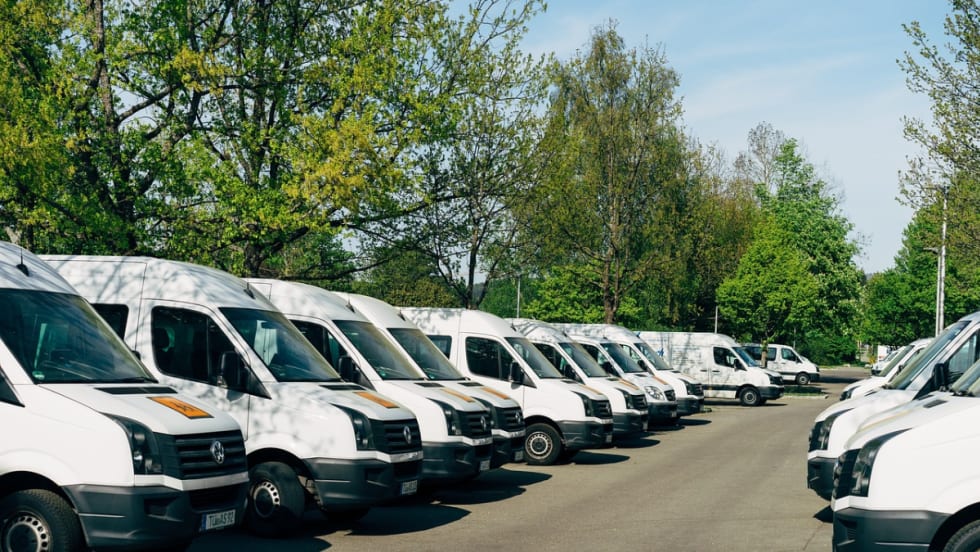
Fleet Simplification is the Antidote to Asset Variability
Fleet simplification identifies asset functions to uncover commonality among the equipment and assets. Simplification increases operational efficiency as end-users become accustomed to the controls, displays, and operation of less diverse units.
Read More →
The Dangers of Static Fleet Policies
A fleet policy is a living document, flexible enough to adapt to evolving business priorities, developing industry trends, and changing industry best practices and standards.
Read More →
Short-Term vs. Long-Term Cost Reductions
Corporate procurement staff are often driven by short-term, immediate cost reductions. However, a longer perspective to soft cost savings is critical because fixating on short-term results will hurt a company in the long run.
Read More →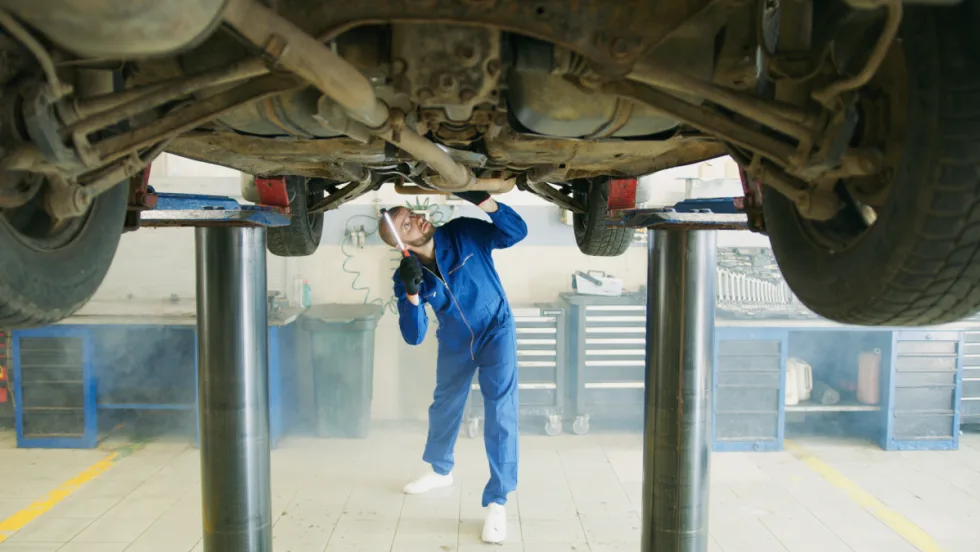
Uptick in Unscheduled Maintenance Increasing Vehicle Downtime
Fleet data analysis can identify recurring downtime issues. It’s important to determine the root causes of downtime so procedures can be developed to minimize such problems.
Read More →
Eliminate Needless Curb Weight to Maximize ICE & EV Efficiencies
Vehicle weight relates directly to fuel economy. In today’s era of electrification, there is also a direct correlation between vehicle weight and battery range.
Read More →
Tech Dependence Risks Dumbing Down Fleet Manager Expertise
The line between creative thinking and problem solving and doing what the data indicates is thin. To lead in fleet management, you need to balance understanding the fundamentals and embracing what smart technology offers.
Read More →
Leverage the Synergy of Safe Driving to Achieve Sustainability and Cost Goals
Safe driving, emission reductions, and cost containment can all be achieved at the same time.
Read More →
The Playbook for Fleet Manager Success
There are many paths to success — most of them involve being flexible, open-minded, and willing to learn.
Read More →