




Mitigation Strategies to Reduce Fleet Fuel Costs
The difference between the most and least efficient drivers is a 30% difference in fuel consumption. Fuel is a fleet’s No. 1 operating expense and the best way to control this expenditure is to modify driving behavior, which is the major variability influencing fuel consumption.

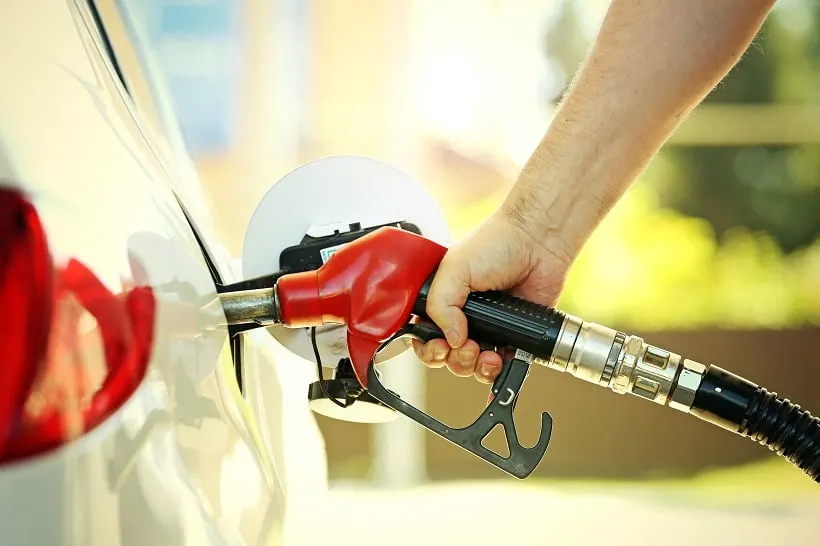
Photo: Pavel Kubarkov via Shutterstock.
The difference between the most and least efficient drivers is a 30% difference in fuel consumption. Fuel is a fleet’s No. 1 operating expense and the best way to control this expenditure is to modify driving behavior, which is the major variability influencing fuel consumption. Even small increases in mpg can result in substantial savings when extrapolated across the entire fleet. With fuel expenditures representing 60% of a fleet’s total operating costs, what actions can fleet managers take to help mitigate the cost of fuel?
Minimize Unnecessary Idling: Reducing unnecessary idling is the simplest and easiest way for a fleet to cut fuel costs and unnecessary emissions. In addition, excess idling also causes needless engine wear-and-tear and unnecessary noise pollution. Instruct drivers to turn off the engine whenever possible and avoid long idling periods. An idling engine gets zero miles per gallon. Also, excessive engine idling doesn’t just consume fuel, it also creates engine hours, which depending on the OEM, are used to determine when the powertrain warranty expires.
Create a Fuel Policy: “The basics behind effective fuel cost management remain relatively the same regardless of the price of fuel or the size of your fleet. Organizations should prioritize a well-communicated, written fuel management policy to ensure drivers and fuel card users understand the expectations around card usage and fuel conservation. The policy should be supported by consistent monitoring of mpg and cpg performance across asset types along with a focused effort on creating as much visibility as possible around transactions and spending trends at the driver level,” said Andy Hall, manager, fuel & GMS products for ARI.
Modifying Driver Behavior: The way employees drive their company vehicles can either increase or decrease fuel economy and greenhouse gas (GHG) emissions. If you change the driving behavior of employees, you have a direct impact on the amount of fuel consumed and the amount of emissions emitted. Even small increases in mpg can result in substantial savings when extrapolated across the entire fleet. Fleet managers, who have implemented eco-driving training programs, report a 5- to 30-percent reduction in annual fuel consumption by changing driver behavior. The challenge is to make this a permanent mindset of all your drivers. Unless you have an enforcement program with incentives, the danger is that drivers will drift back to old behaviors.
Leverage Fuel Card Controls: “Companies should leverage fuel card controls, setting parameters to help prevent excessive or unauthorized spending. Fuel cards often include controls that allow you to set daily, weekly, or monthly transaction limits and place restrictions on the types of purchases and the time of day the card can be used. Controls are available to allow you to cue the fuel pump to shut off after a certain dollar amount,” said Hall.
Minimize Fuel Card Fraud: There are a variety of controls fleet managers can implement to enforce proper fuel-card usage and prevent employee theft. When fleet managers establish controls across the fleet and for individual drivers, they can restrict the types of purchases, number of transactions, dollar limits, frequency per day or per cycle, and even the hours of purchase. These proactively help to prevent fraud and misuse, but also protect the bottom line.
Monitor Fuel Exception Reports: “Exception reporting including tank capacity violations, fuel type mismatch, non-fuel purchases, and other exceptions must be paired with an active driver for accountability. Fleets that successfully drive fuel savings initiatives keep drivers accountable for how their fuel cards are used. The opportunity to conserve fuel should also be reinforced via safety training; many of the same behaviors that are taught as safe driving techniques, such as obeying the speed limit, also support fuel conservation efforts,” said Hall of ARI.
Encourage Drivers to be Price Conscious when Refueling: Fleets need to encourage drivers to continue to be “price sensitive” when refueling, even if prices are lower than normal. Encourage drivers to look for the best net fuel pricing to maximize the benefits of today’s lower fuel prices.
Optimizing Territories and Routes: “We continue to see customers introduce more fuel-efficient vehicles to their fleet along with optimizing territories and routes, which have a direct impact on overall miles driven,” said Lindsay Wood, product manager for Wheels.
Maintain Proper Tire Inflation: One underinflated tire can cut fuel economy by 2% per pound of pressure below the proper inflation level. One out of four drivers, on average, drive vehicles with one or more underinflated tires. When a tire is underinflated by 4 to 5 psi below the manufacturer’s recommended tire pressure, vehicle fuel consumption increases by 10% and, over time, causes a 15% reduction in tire tread life.
Implement a Telematics Program: “A growing number of fleets are embracing telematics as a way to help significantly improve fuel efficiency, and in turn, reduce their fuel spend. Specific to fuel costs, telematics allows fleet operators to monitor driver behavior to ensure they adhere to eco-friendly driving habits, gauge vehicle idling in an effort to combat excessive idling and the associated fuel consumption, and provide dynamic routing to optimize productivity and fuel efficiency,” said Hall.
Keep Trunks Clean: Cars, like cargo trucks, get much better mileage when not loaded with unnecessary weight. Every 200 pounds of additional weight trims one mile off fuel efficiency. Most drivers accumulate material in their trunks, much of it unnecessary. Instruct drivers to remove all unnecessary items from the trunk, such as unneeded tools or materials.
Let me know what you think.
Let me know what you think.
More Blog Posts

Fleets Want Trust Restored with Suppliers
During this period of ongoing supply constraints, the trust that fleet managers had with OEMs, upfitters, and dealers has been strained. Fleet managers say they have had too many experiences over the past three years coping with erroneous information, adjusting to multiple price increases, and feeling betrayed by inadequate transparency from suppliers.
Read More →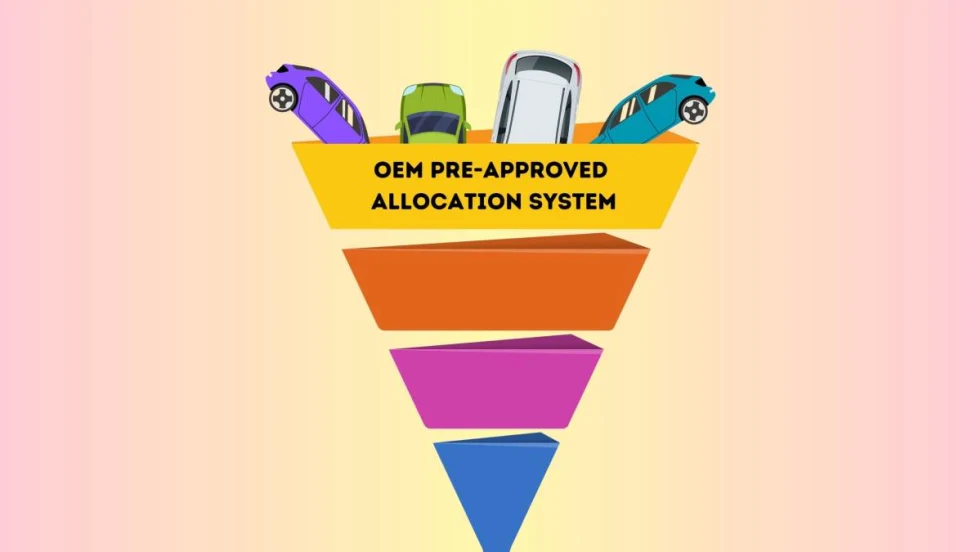
Scheduled Replacement Cycles Are Becoming a Distant Memory
The ongoing difficulty in sourcing replacement vehicles is forcing companies to extend the service lives of vehicles that are unable to be replaced, which, inevitably, increases unscheduled maintenance expenses.
Read More →
Fleet Simplification is the Antidote to Asset Variability
Fleet simplification identifies asset functions to uncover commonality among the equipment and assets. Simplification increases operational efficiency as end-users become accustomed to the controls, displays, and operation of less diverse units.
Read More →
The Dangers of Static Fleet Policies
A fleet policy is a living document, flexible enough to adapt to evolving business priorities, developing industry trends, and changing industry best practices and standards.
Read More →
Short-Term vs. Long-Term Cost Reductions
Corporate procurement staff are often driven by short-term, immediate cost reductions. However, a longer perspective to soft cost savings is critical because fixating on short-term results will hurt a company in the long run.
Read More →
Uptick in Unscheduled Maintenance Increasing Vehicle Downtime
Fleet data analysis can identify recurring downtime issues. It’s important to determine the root causes of downtime so procedures can be developed to minimize such problems.
Read More →
Eliminate Needless Curb Weight to Maximize ICE & EV Efficiencies
Vehicle weight relates directly to fuel economy. In today’s era of electrification, there is also a direct correlation between vehicle weight and battery range.
Read More →
Tech Dependence Risks Dumbing Down Fleet Manager Expertise
The line between creative thinking and problem solving and doing what the data indicates is thin. To lead in fleet management, you need to balance understanding the fundamentals and embracing what smart technology offers.
Read More →
Leverage the Synergy of Safe Driving to Achieve Sustainability and Cost Goals
Safe driving, emission reductions, and cost containment can all be achieved at the same time.
Read More →
The Playbook for Fleet Manager Success
There are many paths to success — most of them involve being flexible, open-minded, and willing to learn.
Read More →