




Little-Known Story on What Motivated GE’s Entry into the Fleet Market
As we all know, General Electric (GE) has exited the fleet management industry after a three-decade presence, which started in 1984 when GE Credit Corp. purchased Kerr Leasing, a small family-owned leasing company in Englewood, Colo. What is not well known is why GE entered the fleet management industry in the first place. Here is the prologue or “back story” that was the catalyst to GE’s entry into the fleet business.

As we all know, General Electric (GE) has exited the fleet management industry after a three-decade presence, which started in 1984 when GE Credit Corp. purchased Kerr Leasing, a small family-owned leasing company with 40 employees in Englewood, Colo.
What is not well known is why GE entered the fleet management industry in the first place. If you’re fan of radio, you may have listened to the legendary Paul Harvey, who produced a popular program called “The Rest of the Story.” In keeping with this theme, I would like to provide “the rest of the story” as to what motivated GE to enter the fleet management market.
The Story Starts in 1975
In 1975, PHH President Sam Penn tasked Jim Rallo, a regional sales manager, to focus on increasing PHH’s business with GE. At the time, GE was a large prospective client, and not a competitor with PHH. In the mid-1970s, GE had a light-duty vehicle fleet in the U.S. of almost 16,000 vehicles. GE was a tough account to penetrate, and PHH’s only success with the GE family of companies was signing a 200-vehicle fleet operated by Lynchburg Communications, which ultimately became GE Communications.
Penn presented Rallo a large file on PHH’s business efforts to sign GE, which included documents dating back to the founding of the company in 1946. Upon studying the files, Rallo discovered that all of PHH’s efforts focused on individual GE business units, and no one had called on the corporate headquarters.
Rallo contacted the corporate headquarters in Fairfield, Conn., and was redirected to the procurement department in nearby Bridgeport. For the next year, Rallo called on the procurement director, and, in 1977, PHH was awarded a one-year exclusive corporate supplier agreement. This was significant, because each year GE business units had to justify to corporate auditors why they were not using companies that had a corporate supplier agreement.
Upon being named a corporate supplier, PHH was quick to act and Rallo assembled a sales team that, for the next six months, traveled to the far-flung GE operating groups to make the business case to use PHH’s fleet management services. Prior to PHH being awarded a corporate supplier agreement, GELCO, another major FMC of the day, had a larger share of GE business managing the 1,400-vehicle fleet of the GE Medical business in Milwaukee
Upon the expiration of PHH’s exclusive one-year corporate supplier agreement, GELCO, in short order, negotiated an agreement to be the dual corporate supplier. Over the next five years, PHH increased its GE business to 10,400 vehicles (representing 65% of the fleet), with GELCO having the remaining 35% of the GE fleet.
A Mysterious Phone Call
In the early 1980s, Gene Arbaugh became president of PHH following Penn’s promotion to the PHH corporate office. At this time, GE had grown to become one of the top five accounts at PHH using a mix of fleet services ranging from leasing to purchase & disposal (P&D) programs.
In 1983, Rallo got an unexpected call from a GE corporate vice president, with whom he had never before dealt. The GE VP said, “I’d like you to come to our corporate office in Fairfield and bring your president.” Rallo inquired as to the purpose of the meeting, but the GE VP was coy in his response and simply said, “We would like to meet with you.” Although perplexed by the vagueness of the invitation, Rallo viewed the meeting as an opportunity. “We had never gotten to this level, so this was a great opportunity,” remembered Rallo.
When Arbaugh and Rallo arrived at GE, they were taken to a private dining room for lunch. The GE VP said, “You're probably wondering why you're here today. We would like PHH to think about becoming a part of the GE family. PHH will be allowed to retain its headquarters in Maryland and will operate as a separate subsidiary. We would like you to discuss this proposal with your board.” What triggered this proposition was a recommendation from GE Credit Corp. to buy PHH. However, upon subsequent board discussion, PHH decided to remain independent and rejected the GE proposal.
This was the prologue or “back story” that eventually led to GE’s entry into the fleet business in 1984. The catalyst was GE’s failed acquisition of PHH, which it wanted to acquire because of its own favorable experience using fleet management services and the anticipated profitability of providing these fleet services to other companies.
One year later, in 1984, GE acquired the much smaller Kerr Leasing, but the increased volume of business from GE business units resulted in ordering and billing problems. Even though PHH and GELCO were now competitors with GE, they were temporarily retained to provide services such as vehicle expense reporting, maintenance management, and a national accounts program.
Ultimately, pressure from GE corporate auditors prompted the GE operating units to transition all fleet leasing and management services to Kerr Leasing. Then from 1986 to 1992, GE engaged in a rapid-fire series of acquisitions of many of the major lessors of the day, including GELCO, transforming itself into the nation’s largest FMC, with PHH now being one of its top competitors. In fact, GE did not give up on acquiring PHH and attempted two more times to acquire it – the second time in 1996 and the last time in 2007.
The first attempt in 1983 to combine GE and PHH into a single company, ultimately came to fruition 30 years later when Element Financial Corp. integrated GE and PHH into a single company following its acquisition of both FMCs. In summary, and in tribute to Paul Harvey’s signature closing of each radio program, “Now you know the rest of the story.”
Let me know what you think.
mike.antich@bobit.com
More Blog Posts
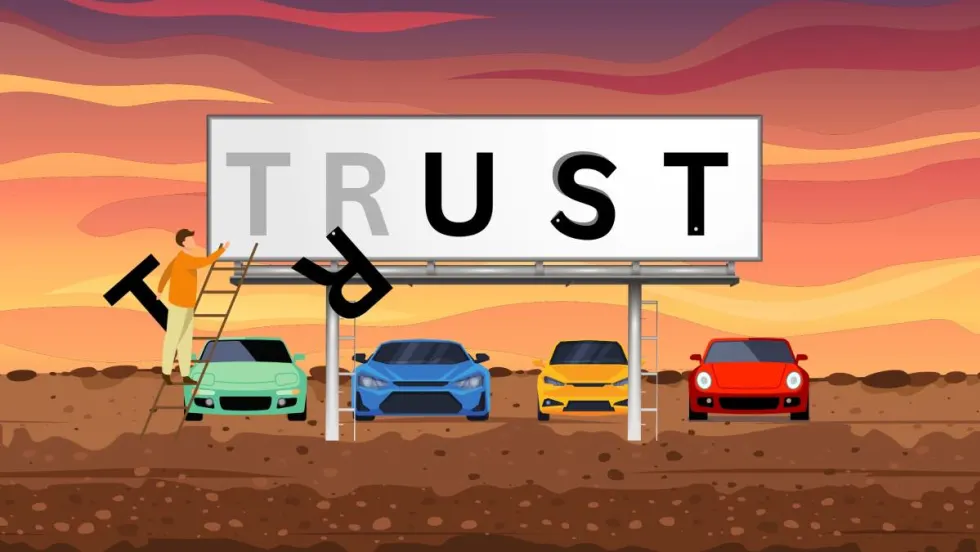
Fleets Want Trust Restored with Suppliers
During this period of ongoing supply constraints, the trust that fleet managers had with OEMs, upfitters, and dealers has been strained. Fleet managers say they have had too many experiences over the past three years coping with erroneous information, adjusting to multiple price increases, and feeling betrayed by inadequate transparency from suppliers.
Read More →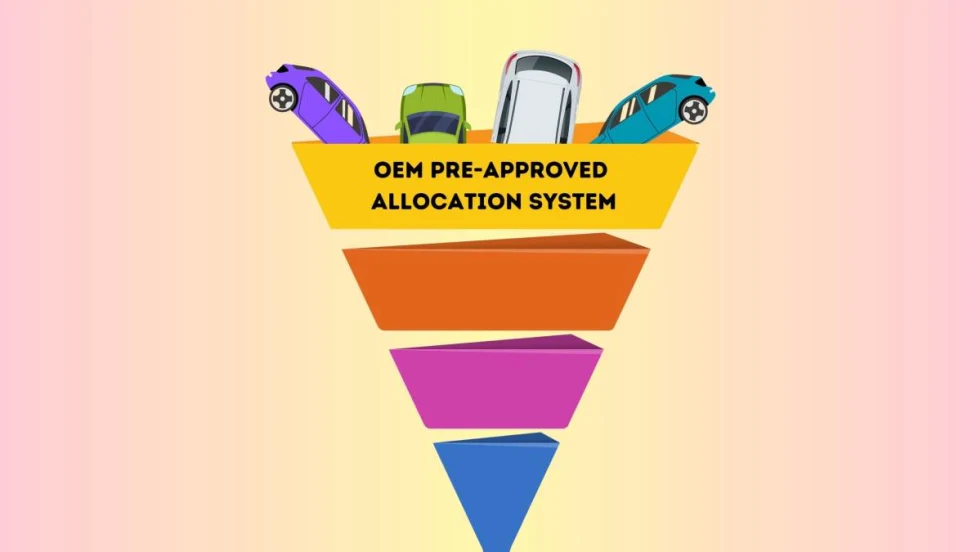
Scheduled Replacement Cycles Are Becoming a Distant Memory
The ongoing difficulty in sourcing replacement vehicles is forcing companies to extend the service lives of vehicles that are unable to be replaced, which, inevitably, increases unscheduled maintenance expenses.
Read More →
Fleet Simplification is the Antidote to Asset Variability
Fleet simplification identifies asset functions to uncover commonality among the equipment and assets. Simplification increases operational efficiency as end-users become accustomed to the controls, displays, and operation of less diverse units.
Read More →
The Dangers of Static Fleet Policies
A fleet policy is a living document, flexible enough to adapt to evolving business priorities, developing industry trends, and changing industry best practices and standards.
Read More →
Short-Term vs. Long-Term Cost Reductions
Corporate procurement staff are often driven by short-term, immediate cost reductions. However, a longer perspective to soft cost savings is critical because fixating on short-term results will hurt a company in the long run.
Read More →
Uptick in Unscheduled Maintenance Increasing Vehicle Downtime
Fleet data analysis can identify recurring downtime issues. It’s important to determine the root causes of downtime so procedures can be developed to minimize such problems.
Read More →
Eliminate Needless Curb Weight to Maximize ICE & EV Efficiencies
Vehicle weight relates directly to fuel economy. In today’s era of electrification, there is also a direct correlation between vehicle weight and battery range.
Read More →
Tech Dependence Risks Dumbing Down Fleet Manager Expertise
The line between creative thinking and problem solving and doing what the data indicates is thin. To lead in fleet management, you need to balance understanding the fundamentals and embracing what smart technology offers.
Read More →
Leverage the Synergy of Safe Driving to Achieve Sustainability and Cost Goals
Safe driving, emission reductions, and cost containment can all be achieved at the same time.
Read More →
The Playbook for Fleet Manager Success
There are many paths to success — most of them involve being flexible, open-minded, and willing to learn.
Read More →