




Legitimate Concerns About Green Fleet Initiatives
Should the innovators of today, the market leaders of the next generation, create mobility based upon antiquated fuel? The long-term answer is no, but until then, we can’t hide our heads in the sand. There continue to be legitimate fleet concerns about going green. We can’t hope to truly “green” corporate America’s fleets (beyond simply being public relations statements) until these issues are resolved.

What do fleet managers see as the future of green fleet sustainability initiatives within their organizations? In particular, will management support these initiatives with greater acquisition of non-petroleum-fueled vehicles, or will the emphasis continue to be selecting gasoline- or diesel-powered models with maximum fuel efficiency? Nowadays, most major corporations are ecologically oriented and sustainability conscious. Many corporations, especially multinationals, have set corporate CO2 reduction goals and recognize that fleet is one of the biggest emitters of CO2. A growing number of fleets are incorporating alternative-fuel vehicles as organizations institutionalize sustainability into corporate branding, and company vehicles are a very visible expression of these initiatives. Corporations and political subdivisions will support the use of alternative-fuel vehicles if they meet the job requirement and are not cost prohibitive.
The Complexity of Being a Green Fleet
Fleet sustainability will continue to play an important, albeit complex, role in the fleets of today and tomorrow. However, the majority of today’s fleets continue to select the most fuel-efficient gasoline- or diesel-powered vehicles to meet sustainability initiatives. For some fleets, this seems to be the only cost-effective solution, especially with today’s funding constraints. In this fiscal environment, the cost of doing business has prompted many companies not to buy vehicles that are more expensive than needed.
Companies have made great strides in altering the composition of their fleets by removing SUVs and utilizing more crossovers and sedans, many of which exceed 30 mpg. The focus is on optimizing vehicle selection by acquiring the smallest vehicle capable of fulfilling the fleet application, powered by the smallest displacement engine. This is often coupled with eco-driver training programs to maximize fuel economy. Many fleets have transitioned to four-cylinder engines only. A growing number of fleets are focusing on acquiring EPA SmartWay-certified vehicles. Similarly, many companies opt to use hybrids because they provide the needed range and are not dependent on an alternative refueling infrastructure.
Other green initiatives involve reducing fuel consumption by minimizing unnecessary idling, introducing telematics devices, eco-driving training, improved fuel reporting/monitoring, and improved PM compliance. So far, the GHG emissions goals have been achievable at many companies due to the more fuel-efficient conventionally powered OEM offerings. The near-term emphasis by many fleets will continue to be acquiring petroleum-fueled models with maximum fuel efficiency, with greater consideration to spec’ing smaller classes of vehicles.
Addressing Legitimate Fleet Concerns
For many fleets, a key issue regarding alt-fuel vehicles, especially EVs, is range. Many sales reps have large territories, some traveling as much as 250 miles per day. In extreme cases, some reps drive 40,000 miles per year, with the industry average around 24,000 miles. A corollary challenge is when company-owned vehicles are taken home by employees who may not live in areas supported by the appropriate refueling infrastructure. In the same vein, many field managers are resistant to accepting alt-fuel vehicles that may impact driver productivity by requiring them to go out of their way to buy fuel. In addition, other fleets may operate primarily in the rural areas, where there is an inadequate refueling infrastructure.
In the back of the minds of many fleet managers is the concern about being on the “bleeding” edge of technology, as expressed by one fleet manager: “I’m not sure about the future of vehicles — too much is happening and at a very rapid pace. This is one time I do not want to be a forerunner. Our company is ready, willing, and able to invest in and support sustainability for the long-term once there is a better understanding what might be the sustainability answer of the future. For example, I would hate to over-spend on electric if propane autogas is the long-term answer, just as I would hate to over-invest in CNG if hydrogen cells are going to be the future.”
Tackling Problems Head-On
Despite these challenges, there is an incipient feeling that green fleet initiatives are approaching a turning point, as verbalized by another fleet manager: “Past environmental progress always needed to be cost-neutral or to encompass savings in order to proceed. We are rapidly approaching a point where the roadblock of cost-neutral options may not hold sway as they have in the past. A reduction in GHG may be its own reward. We are not there yet, but I believe it is fast approaching.”
Should the innovators of today, the market leaders of the next generation, create mobility based upon antiquated fuel? The long-term answer is no, but until then, we can’t hide our heads in the sand. There continue to be legitimate fleet concerns about going green. We can’t hope to truly “green” corporate America’s fleets (beyond simply being public relations statements) until these issues are resolved. In the final analysis, if you want to solve a tough problem, you have to tackle it head-on. These are not easy problems to solve, but, then again, they are not insolvable either.
Let me know what you think.
More Blog Posts
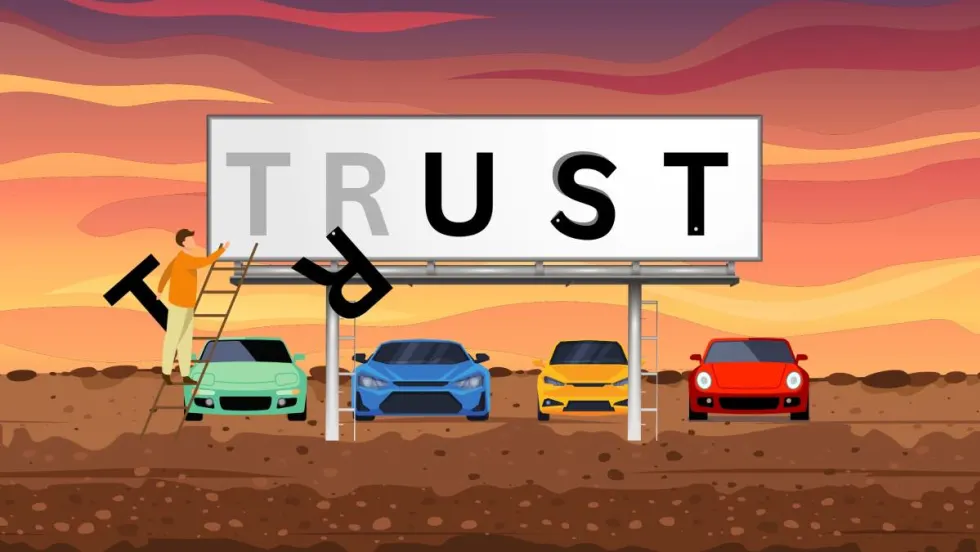
Fleets Want Trust Restored with Suppliers
During this period of ongoing supply constraints, the trust that fleet managers had with OEMs, upfitters, and dealers has been strained. Fleet managers say they have had too many experiences over the past three years coping with erroneous information, adjusting to multiple price increases, and feeling betrayed by inadequate transparency from suppliers.
Read More →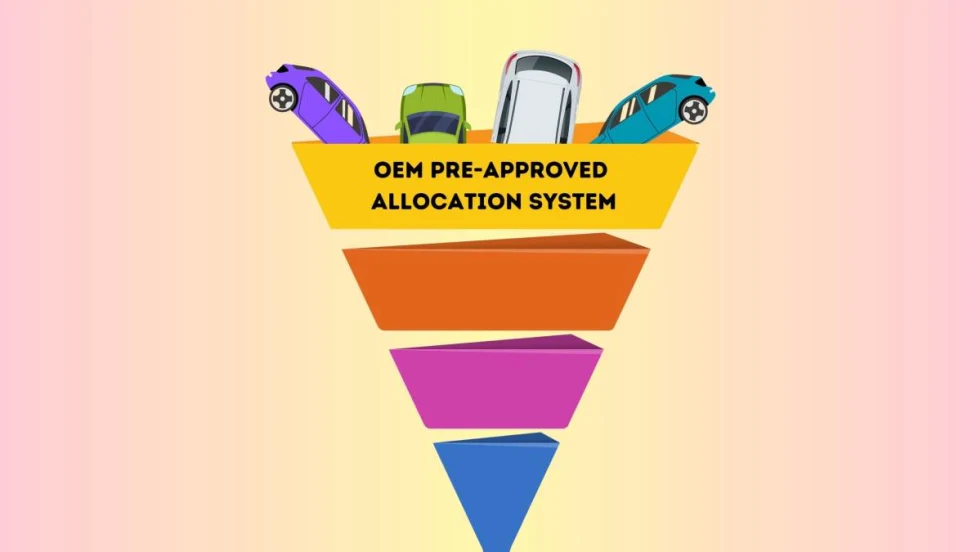
Scheduled Replacement Cycles Are Becoming a Distant Memory
The ongoing difficulty in sourcing replacement vehicles is forcing companies to extend the service lives of vehicles that are unable to be replaced, which, inevitably, increases unscheduled maintenance expenses.
Read More →
Fleet Simplification is the Antidote to Asset Variability
Fleet simplification identifies asset functions to uncover commonality among the equipment and assets. Simplification increases operational efficiency as end-users become accustomed to the controls, displays, and operation of less diverse units.
Read More →
The Dangers of Static Fleet Policies
A fleet policy is a living document, flexible enough to adapt to evolving business priorities, developing industry trends, and changing industry best practices and standards.
Read More →
Short-Term vs. Long-Term Cost Reductions
Corporate procurement staff are often driven by short-term, immediate cost reductions. However, a longer perspective to soft cost savings is critical because fixating on short-term results will hurt a company in the long run.
Read More →
Uptick in Unscheduled Maintenance Increasing Vehicle Downtime
Fleet data analysis can identify recurring downtime issues. It’s important to determine the root causes of downtime so procedures can be developed to minimize such problems.
Read More →
Eliminate Needless Curb Weight to Maximize ICE & EV Efficiencies
Vehicle weight relates directly to fuel economy. In today’s era of electrification, there is also a direct correlation between vehicle weight and battery range.
Read More →
Tech Dependence Risks Dumbing Down Fleet Manager Expertise
The line between creative thinking and problem solving and doing what the data indicates is thin. To lead in fleet management, you need to balance understanding the fundamentals and embracing what smart technology offers.
Read More →
Leverage the Synergy of Safe Driving to Achieve Sustainability and Cost Goals
Safe driving, emission reductions, and cost containment can all be achieved at the same time.
Read More →
The Playbook for Fleet Manager Success
There are many paths to success — most of them involve being flexible, open-minded, and willing to learn.
Read More →