




Is Your Executive Fleet a Headache? Count Your Blessings
There’s no other way to say it, except bluntly: Managing an executive fleet is a headache. I am not going to say otherwise. But, if it is one of your job responsibilities, consider yourself luckier than others. Managing an executive fleet puts you in front of senior management and gives you an opportunity to showcase your value to the company. Here's how you can leverage this to your maximum benefit.

There’s no other way to say it, except bluntly: Managing an executive fleet is a headache. I am not going to say otherwise. But, if it is one of your job responsibilities, consider yourself luckier than others. No matter what job you may have, there will always be certain responsibilities you wouldn’t wish on your worst enemies. While some may equate the management of an executive fleet to this category, my response, and those of other savvy fleet managers, is to count your blessings. Why? This is the best way to build a relationship with senior management that, otherwise, would not be available to you. In fact, one of the biggest challenges facing fleet managers is getting senior management to see and acknowledge their contribution to the company. Too many fleet managers labor in obscurity and are taken for granted. Managing an executive fleet puts you in front of senior management and gives you an opportunity to showcase your value to the company. It is also a great opportunity to develop a closer working relationship with senior managers and the possibility of creating, over time, an informal personal relationship with some of them.
Developing a Relationship with Senior Managers
An executive fleet that is offered to most senior managers will bring you in contact with those managers who have the ultimate decision-making authority at your company. By cultivating these business interactions with executives into relationships, it will help you, in the future, to overcome a fleet-related challenge or implement a change that may encounter initial resistance.
Managing an executive fleet is different from managing a sales or service fleet. The level of responsibility for senior executives, vis-à-vis field employees, is far greater; their time is more highly scheduled, and the high-end vehicles they drive demand a higher level of attention than that of a sales or service rep. It is important to foster a professional relationship with executives when interacting with them about their executive vehicles. Initial contacts, whether by phone, e-mail, or in person should be strictly business oriented, such as discussing vehicle selection and ordering or scheduling a service appointment. Over time, these interactions with executives will often evolve into a more comfortable and more personal interaction. If you do a good job in managing the executive fleet, it will build trust in you among executives, who will be more likely to respond positively when you ask them for support. While an important byproduct from managing an executive fleet is the opportunity to develop strong relationships high in the management hierarchy, it is conversely important to develop a relationship with the executives’ administrative assistants, since an executive’s time is in constant demand and they may not be readily available when you need to talk with them.
When your fleet expertise is known and appreciated by top management, you should take the initiative to include other executives, particularly the most difficult individuals, in the fleet management process. If you manage a sales fleet, for example, and the VP of sales and marketing is difficult, make that executive part of the fleet decision-making process to help defuse potential confrontations. It is important to keep communication to senior managers short, using a one-page report or e-mail. In these communications, minimize text and use charts and graphs to show fleet trends. After receiving these communications regularly, senior execs will ultimately come to view you as the resident subject-matter expert on all matters involving the corporate fleet.
Senior management, especially at the highest level, can impact every aspect of the fleet manager’s responsibility, ranging from financial decisions to fleet policy, and they can make or break a fleet manager’s efforts to implement change. However, it is important to leverage these management relationships judiciously; you don’t want to be negatively perceived by other department managers as someone who is unable to defend fleet decisions and uses management as a “big stick” to force compliance.
Management Support of the Fleet Manager
When managed properly, the headaches traditionally associated with an executive fleet can be kept to a minimum. Your ultimate goal is to make management receptive, based on your pre-existing relationships, to provide support if and when you are challenged or when a complaint reaches their desk from a lower-level executive adamantly opposed to a particular fleet decision.
At larger fleets, a fleet manager is responsible for millions of dollars of corporate assets and managing millions more in expenditures — all of which are much easier to manage with the support of senior management. Building effective relationships with management will help provide the support needed without you needing to ask for it. This is invaluable to whether or not you will be a successful fleet manager. If you don’t think so, ask the fleet manager who doesn’t have management’s support.
Let me know what you think.
More Blog Posts
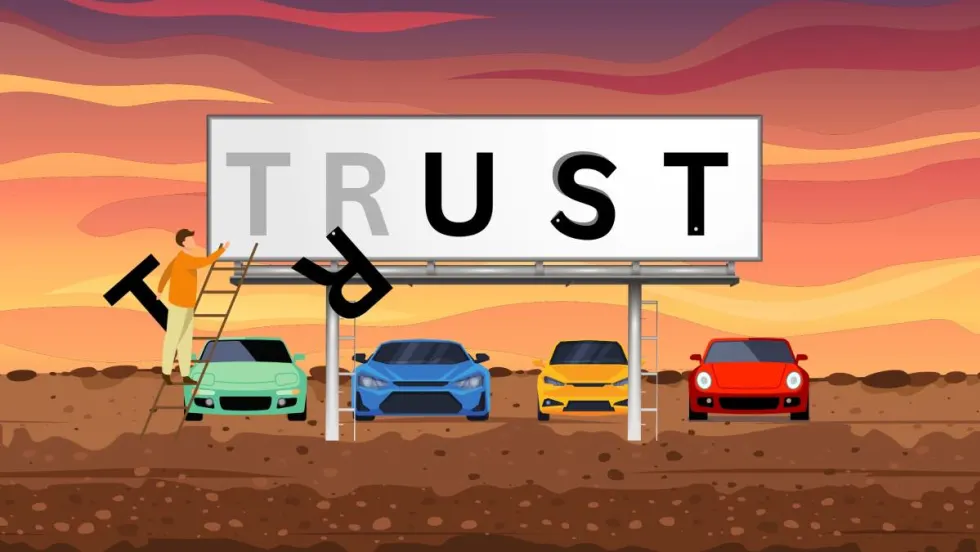
Fleets Want Trust Restored with Suppliers
During this period of ongoing supply constraints, the trust that fleet managers had with OEMs, upfitters, and dealers has been strained. Fleet managers say they have had too many experiences over the past three years coping with erroneous information, adjusting to multiple price increases, and feeling betrayed by inadequate transparency from suppliers.
Read More →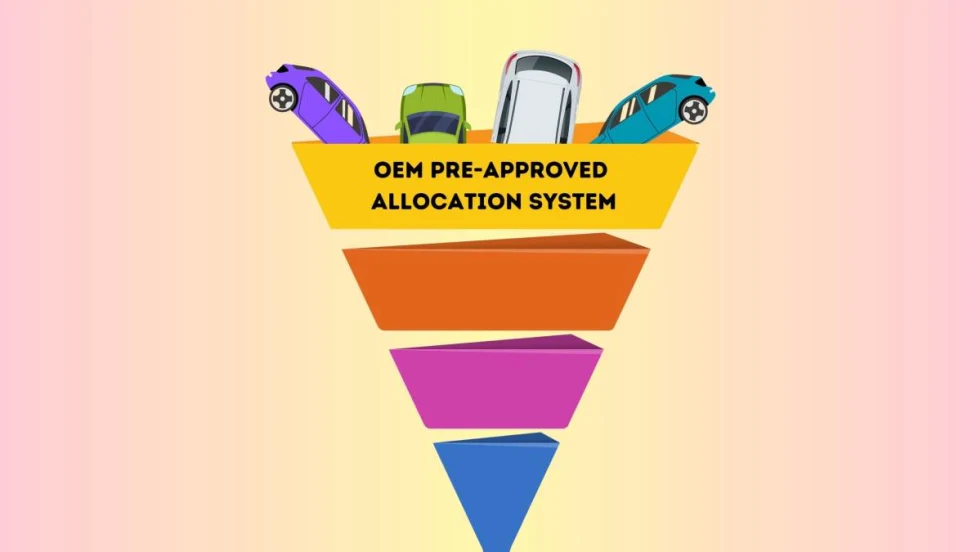
Scheduled Replacement Cycles Are Becoming a Distant Memory
The ongoing difficulty in sourcing replacement vehicles is forcing companies to extend the service lives of vehicles that are unable to be replaced, which, inevitably, increases unscheduled maintenance expenses.
Read More →
Fleet Simplification is the Antidote to Asset Variability
Fleet simplification identifies asset functions to uncover commonality among the equipment and assets. Simplification increases operational efficiency as end-users become accustomed to the controls, displays, and operation of less diverse units.
Read More →
The Dangers of Static Fleet Policies
A fleet policy is a living document, flexible enough to adapt to evolving business priorities, developing industry trends, and changing industry best practices and standards.
Read More →
Short-Term vs. Long-Term Cost Reductions
Corporate procurement staff are often driven by short-term, immediate cost reductions. However, a longer perspective to soft cost savings is critical because fixating on short-term results will hurt a company in the long run.
Read More →
Uptick in Unscheduled Maintenance Increasing Vehicle Downtime
Fleet data analysis can identify recurring downtime issues. It’s important to determine the root causes of downtime so procedures can be developed to minimize such problems.
Read More →
Eliminate Needless Curb Weight to Maximize ICE & EV Efficiencies
Vehicle weight relates directly to fuel economy. In today’s era of electrification, there is also a direct correlation between vehicle weight and battery range.
Read More →
Tech Dependence Risks Dumbing Down Fleet Manager Expertise
The line between creative thinking and problem solving and doing what the data indicates is thin. To lead in fleet management, you need to balance understanding the fundamentals and embracing what smart technology offers.
Read More →
Leverage the Synergy of Safe Driving to Achieve Sustainability and Cost Goals
Safe driving, emission reductions, and cost containment can all be achieved at the same time.
Read More →
The Playbook for Fleet Manager Success
There are many paths to success — most of them involve being flexible, open-minded, and willing to learn.
Read More →