




Interest Rates for Used-Vehicle Financing Almost Double
A new concern about the future resale values of used vehicles has been the sudden increase in retail interest rates to finance used vehicles.
A new concern about the future resale values of used vehicles has been the sudden increase in retail interest rates to finance used vehicles. Used-vehicle financing almost doubled from July to August 2004. “Interest rates went from the upper 3s and lower 4s to 5.8 percent to 6.0 percent on most loans,” said Layne Weber, VP, remarketing, Donlen Corporation, a fleet management company in Northbrook, Ill. One silver lining for the commercial fleet industry is that higher interest rates could prompt consumers to buy less expensive fleet vehicles.
During the summer months, wholesale prices for used fleet vehicles remained stable June through August. One reason for this stability was the lower volume of inventory at auction, which has caused buyer demand to increase. “Although consignment volumes were down, prices and days-to-sales were almost unchanged,” said Weber. “The decreased volume has caused the percent of units sold first time through the auction to increase.”
“Resale values for intermediate-size sedans have increased compared to same time last year;” said Bill Cieslak, vehicle operations manager for PHH Arval, a fleet management company in Sparks, Md. Cieslak agrees with Weber that what has contributed to the improvement in wholesale prices is the decreased vehicle inventory at auction. “Consumer lease portfolios have decreased, while the same number of dealers, if not more, are buying at auctions. This has caused the supply and demand situation to be very favorable for consignors,” said Cieslak. “This year, spring came early, and it stayed longer. In the spring, there is a ‘lift’ in resale prices when consumers receive their tax refunds. This year it started earlier due to the increased number of electronic refunds and the lift lasted until May. Normally, prices start to throttle back in April.”
Work trucks and cargo vans continue to be in strong demand among dealers in the wholesale market. “There is never a shortage of buyers at high transaction levels for either mid-size or full-size cargo vans and work trucks,” said Cieslak. Minivan prices, on the other hand, continue to remain soft. “One reason is the oversupply of minivans in the wholesale market for the past couple of quarters,” said Cieslak. “In addition, consumer-buying preferences are shifting from minivans to SUVs and crossover vehicles.”
During the summer, the strongest wholesale market was in the Southeast, in particular the corridor stretching from North Carolina, Alabama, and Mississippi, said Weber.
Cautious Optimism
Cieslak anticipates a strong resale market in the fall. “But I’m tentative about my forecast because the wholesale market is heavily influenced by retail incentives,” he said. “If manufacturers need to stimulate retail sales by increasing incentives, then we will find ourselves challenged this fall.”
Weber foresees new-vehicle retail incentives continuing at their current levels into the 2005-model year. “As long as new-vehicle prices stay down, so will resale prices,” he added. In the long-term, Weber is optimistic about residual values because of the number of all-new vehicles in the product pipeline. “These new models, along with the cross-over segment and hybrids have a real potential to help in-crease used-vehicle prices,” said Weber. “However, there is a lot of uncertainty in the market. As we know, an unanticipated economic or political upheaval could dramatically impact both new- and used-vehicle sales. If things continue as-is, then used-vehicle prices will increase, but there are a lot of wildcards out there.”
Let me know what you think.
mike.antich@bobit.com
More Blog Posts

Fleets Want Trust Restored with Suppliers
During this period of ongoing supply constraints, the trust that fleet managers had with OEMs, upfitters, and dealers has been strained. Fleet managers say they have had too many experiences over the past three years coping with erroneous information, adjusting to multiple price increases, and feeling betrayed by inadequate transparency from suppliers.
Read More →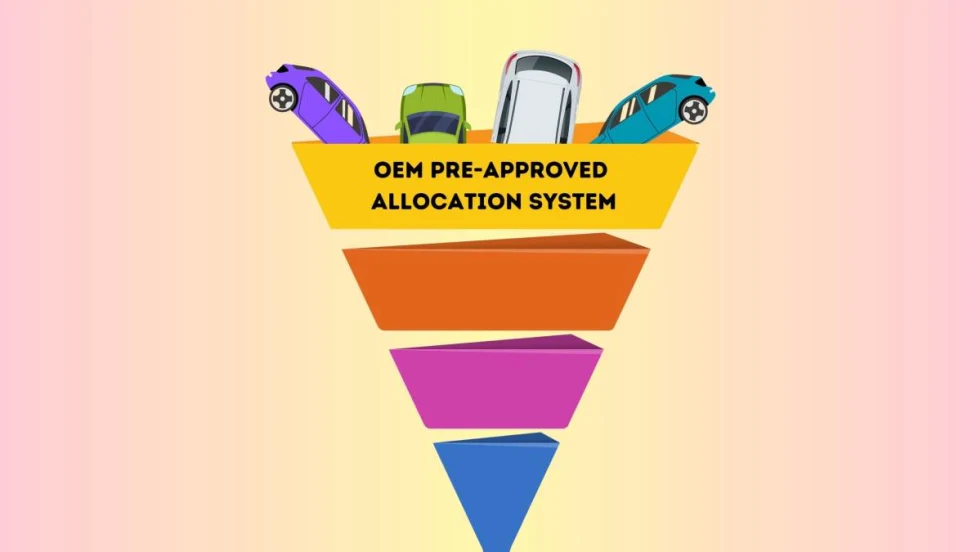
Scheduled Replacement Cycles Are Becoming a Distant Memory
The ongoing difficulty in sourcing replacement vehicles is forcing companies to extend the service lives of vehicles that are unable to be replaced, which, inevitably, increases unscheduled maintenance expenses.
Read More →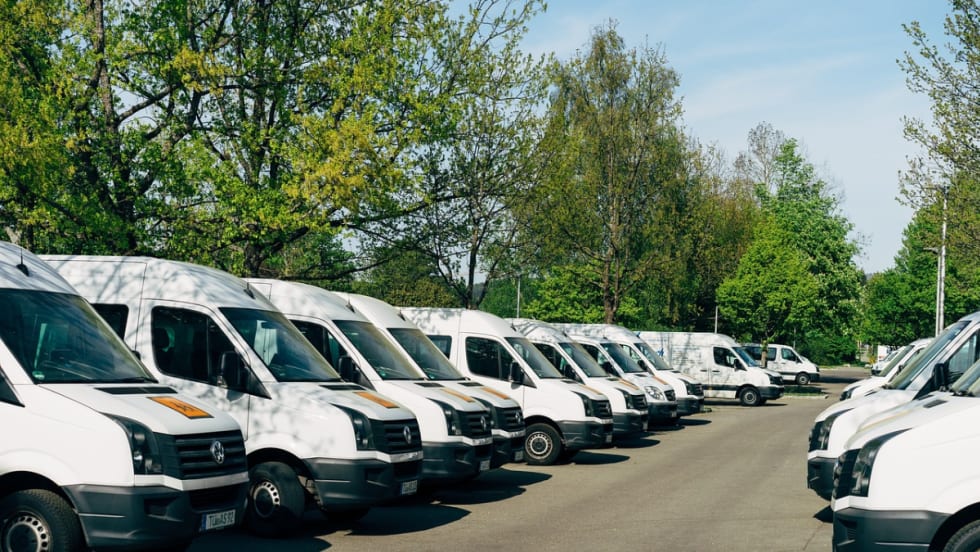
Fleet Simplification is the Antidote to Asset Variability
Fleet simplification identifies asset functions to uncover commonality among the equipment and assets. Simplification increases operational efficiency as end-users become accustomed to the controls, displays, and operation of less diverse units.
Read More →
The Dangers of Static Fleet Policies
A fleet policy is a living document, flexible enough to adapt to evolving business priorities, developing industry trends, and changing industry best practices and standards.
Read More →
Short-Term vs. Long-Term Cost Reductions
Corporate procurement staff are often driven by short-term, immediate cost reductions. However, a longer perspective to soft cost savings is critical because fixating on short-term results will hurt a company in the long run.
Read More →
Uptick in Unscheduled Maintenance Increasing Vehicle Downtime
Fleet data analysis can identify recurring downtime issues. It’s important to determine the root causes of downtime so procedures can be developed to minimize such problems.
Read More →
Eliminate Needless Curb Weight to Maximize ICE & EV Efficiencies
Vehicle weight relates directly to fuel economy. In today’s era of electrification, there is also a direct correlation between vehicle weight and battery range.
Read More →
Tech Dependence Risks Dumbing Down Fleet Manager Expertise
The line between creative thinking and problem solving and doing what the data indicates is thin. To lead in fleet management, you need to balance understanding the fundamentals and embracing what smart technology offers.
Read More →
Leverage the Synergy of Safe Driving to Achieve Sustainability and Cost Goals
Safe driving, emission reductions, and cost containment can all be achieved at the same time.
Read More →
The Playbook for Fleet Manager Success
There are many paths to success — most of them involve being flexible, open-minded, and willing to learn.
Read More →