




Increased Fleet Efficiency Makes Reimbursement a More Expensive Option
The relentless demand by management to reduce costs year-over-year is producing extremely cost-efficient fleets. The best example is the trend by some fleets to shift drivers from allowance or reimbursement programs to the company-provided vehicle program. For these companies, they are finding that it is less expensive to have an employee participate in the company car program than providing a driver allowance.

The relentless demand by management to reduce costs year-over-year is producing extremely cost-efficient fleets. The best example is the trend by some fleets to shift drivers from allowance or reimbursement programs to the company-provided vehicle program. For these companies, they are finding that it is less expensive to have an employee participate in the company car program than providing a driver allowance.
One advantage to shifting reimbursed drivers to the fleet program is to maximize competitive allowance program (CAP) monies from factories. Typically, manufacturer fleet incentive programs, such as CAP programs, are structured based on tiered volume purchasing levels. A driver reimbursement program, in which employees acquire their own vehicles, minimizes a company’s fleet volume and its eligibility for CAP monies. Employees who are shifted from driver reimbursement to a company car program add to fleet volume, which facilitates meeting tiered volume purchasing programs. Many companies have grown to rely on these monies to assist in lowering their vehicle-related overhead expenses.
Another advantage to shifting employees is that the company gets resale profit in a strong used-vehicle market. The additional revenues derived in the resale of a company vehicle go straight to the company’s bottom line. This revenue source, albeit unpredictable, is lost in reimbursement.
Many sales and service personnel, especially executives, consider the purchase of their used vehicles a fringe benefit. For example, an executive can drive a new company vehicle for free for 36 months. At the end of this period, he or she can buy it at a substantially reduced price by saving on the first three years of depreciation.
The perk of buying a used company vehicle is eliminated for employees in a reimbursement program. This perk is added when employees are shifted from a car allowance to a company-provided vehicle. This is also a source of additional revenue for the company as these vehicles are typically priced above the wholesale price (what you would get if sold at an auction) but below the retail price, which is an employee benefit.
The real value of a company fleet program lies with time savings and having one touch point of contact for the executive. A company-administered program frees executives from mundane vehicle matters such as registration renewal, insurance coverage, warranty issues, etc. Having a dedicated fleet department to handle all the myriad details from vehicle purchase, operation, and disposal, frees up untold hours for the executive driver.
Reimbursed employees will attempt to maximize their reimbursement monies to the point of exaggerating their business mileage and vehicle expenses when they feel they are not being adequately reimbursed. By switching to a company-provided program, you can also eliminate exaggerated business mileage.
When a company switches its employees from a reimbursement program to a company-provided car program, the reported business mileage decreases an average of 30 percent. It is not that employees drive less; it is that the business miles no longer generate reimbursement monies, so employees are reporting actual miles. Not paying these exaggerated miles represents a cost savings for the company.
Conducive to Corporate Green Initiatives
Professional fleet management helps corporations meet their environmental objectives by operating well-maintained, fuel-efficient vehicles. Newer model company-provided vehicles on the road today helps companies reduce tailpipe emission levels and conserve gasoline. Under driver reimbursement, employees, on average, drive older, less well-maintained vehicles or large SUVs that emit greater emissions and consume more fuel than company-provided vehicles. If a corporation implements a green-fleet initiative to reduce corporate greenhouse gas emissions, it is a non sequitur when corporate management is reimbursed for the use of large SUVs with low fuel economy or other models that don’t conform to the green corporate image a company wishes to convey to the public.
Maximize Dividends
In summary, there are many cost benefits to shifting employees from driver reimbursement to a company vehicle. Companies are able to maximize purchasing incentives and resale gains, and help meet corporate sustainability goals. Another important dividend is the ability of management to lead by example. If senior managers are provided a vehicle, the fleet manager has a powerful ally in enforcing fleet policy. This makes it easier for the fleet manager to implement and enforce fleet policy. When executives follow fleet policy, so too will their subordinates.
Let me know what you think.
More Blog Posts

Fleets Want Trust Restored with Suppliers
During this period of ongoing supply constraints, the trust that fleet managers had with OEMs, upfitters, and dealers has been strained. Fleet managers say they have had too many experiences over the past three years coping with erroneous information, adjusting to multiple price increases, and feeling betrayed by inadequate transparency from suppliers.
Read More →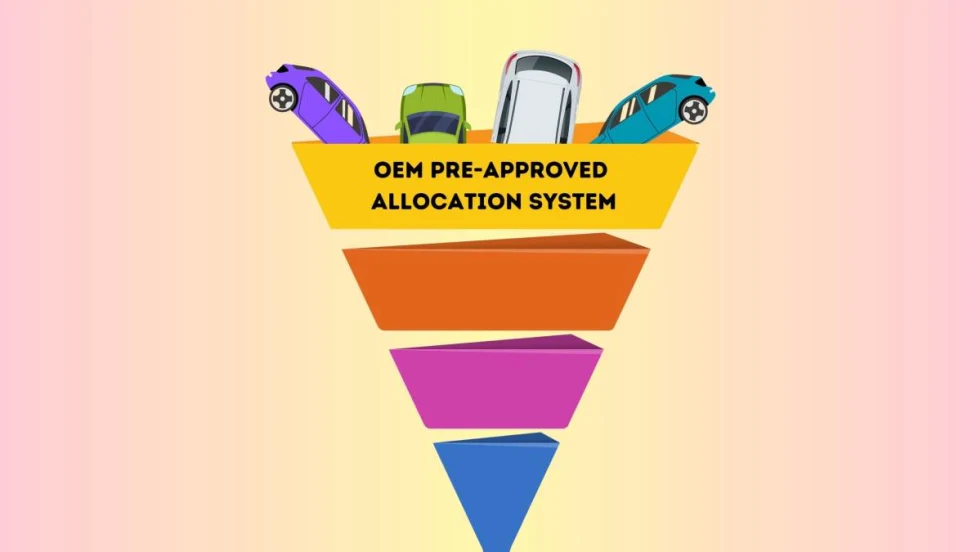
Scheduled Replacement Cycles Are Becoming a Distant Memory
The ongoing difficulty in sourcing replacement vehicles is forcing companies to extend the service lives of vehicles that are unable to be replaced, which, inevitably, increases unscheduled maintenance expenses.
Read More →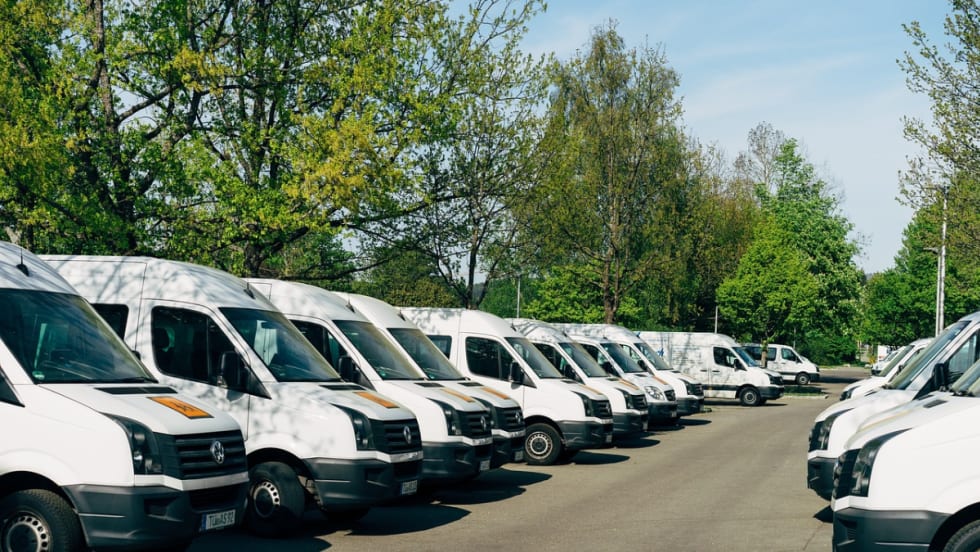
Fleet Simplification is the Antidote to Asset Variability
Fleet simplification identifies asset functions to uncover commonality among the equipment and assets. Simplification increases operational efficiency as end-users become accustomed to the controls, displays, and operation of less diverse units.
Read More →
The Dangers of Static Fleet Policies
A fleet policy is a living document, flexible enough to adapt to evolving business priorities, developing industry trends, and changing industry best practices and standards.
Read More →
Short-Term vs. Long-Term Cost Reductions
Corporate procurement staff are often driven by short-term, immediate cost reductions. However, a longer perspective to soft cost savings is critical because fixating on short-term results will hurt a company in the long run.
Read More →
Uptick in Unscheduled Maintenance Increasing Vehicle Downtime
Fleet data analysis can identify recurring downtime issues. It’s important to determine the root causes of downtime so procedures can be developed to minimize such problems.
Read More →
Eliminate Needless Curb Weight to Maximize ICE & EV Efficiencies
Vehicle weight relates directly to fuel economy. In today’s era of electrification, there is also a direct correlation between vehicle weight and battery range.
Read More →
Tech Dependence Risks Dumbing Down Fleet Manager Expertise
The line between creative thinking and problem solving and doing what the data indicates is thin. To lead in fleet management, you need to balance understanding the fundamentals and embracing what smart technology offers.
Read More →
Leverage the Synergy of Safe Driving to Achieve Sustainability and Cost Goals
Safe driving, emission reductions, and cost containment can all be achieved at the same time.
Read More →
The Playbook for Fleet Manager Success
There are many paths to success — most of them involve being flexible, open-minded, and willing to learn.
Read More →