





Related: 2020 Supply Chain Constraints Carryover into 2021 Model-Year Ordering
Impact on Fleet Operations of the Work-from-Home Business Model
The pandemic has opened Pandora’s box on working from home – both good and bad. While it has yet to be determined whether this is long-term or short-term trend, it will impact fleet operations.
February 10, 2021

5 min to read
As Automotive Fleet celebrates its 60th anniversary, I assembled a compendium of the top 60 milestones in fleet from our founding in 1961 to present. Without a doubt, in my mind at least, the No. 1 milestone is the fleet disruption caused by the COVID-19 pandemic.
While this is still an ongoing phenomenon, I believe this “once-a-century” calamity will stand the test of time as the most disruptive event in the history of fleet, at least to present. The pandemic has disrupted fleet on many different levels, but I think the biggest possible disruption has yet to fully play out, which I believe will be the widespread adoption by many companies of the work-from-home business model.
The pandemic has opened Pandora’s box on working from home – both good and bad. While it has yet to be determined whether this is long-term or short-term trend, it will impact fleet operations.
While not everyone believes working from home is here to stay; everyone accepts that remote working from home has proven to be viable and productive.
Operating in a Post-Pandemic Fleet Environment
While the pandemic is ongoing, many of us are contemplating how fleets will function in a post-pandemic world. As COVID made in-person interactions less socially accepted, virtual meetings became the only way to meet new prospects and deepen existing customer relationships.
This virtual world has resulted in fewer miles driven and more time in front of a computer for company drivers. Most companies still have restriction on guests at their offices (many are 100% virtual), which means having an in-person sales call will require that it be held offsite.
A percolating question is whether corporate leadership will extend COVID norms into the post-COVID world? For instance, when (and we will) enter a period of higher fuel costs will some in management view more virtual meetings as a fuel cost mitigation tool? What about safety? From a risk manager’s viewpoint, the fewer miles driven will translate into a reduction in accident rates. How much productivity will be gained by minimizing windshield time? Similarly, how much will risk decrease when fewer drivers are multitasking using their phones while driving. In addition, fewer miles driven help contribute to corporate sustainability goals. Will reducing the number of miles driven become a new KPI to achieve sustainability goals or reduce accident frequency?
The ultimate management question will be whether an in-person visit is necessary or can similar results be achieved through a virtual meeting? The work-from-home business model and the reduction in traditional face-to-face customer contact will have a long-term impact on fleet size and utilization.
This may put pressure on revising eligibility criteria to be assigned a company vehicle. Similarly, this may be the rationale or catalyst to right-size fleets to ensure the appropriate number of vehicles are in service to meet changing business needs.
As more jobs involving company drivers become permanently remote, it may result in less travel that will cause reassessment of optimal fleet size. One real-world example is a medical device company that assigns company-provided vehicles to field employees to help new patients begin treatments at home. COVID restrictions have caused this business to look at “patient starts” differently by shipping devices directly to the patient’s home and to virtually train patients on its use. In the case of this medical supply company, will it need as many field-based employees? How will this affect its fleet size?
There are also other ramifications that will emerge with a work-from-home business model. With many employees opting to work from home, corporations may not require as large a building to accommodate a smaller office staff. Another ramification may be an ongoing reduction in budget for business travel.
I predict it will be hard to change corporate mindsets as management has become accustomed to a smaller T&E spend. Major reductions in business travel will continue with most industry observers believing it will be years before it returns to pre-pandemic levels.
Or, in a converse scenario, as a greater percentage of the population is vaccinated, it will trigger a growing desire to return to normalcy causing employees to return to their offices (although many will continue to work from home) and salespeople will increase travel to call on clients. As they say, sometimes the more things change, the more they will stay the same as we experienced pre-pandemic.
Remote vs. Onsite Employee Productivity
The pandemic has proven that remote workers are just as productive as their office-based counterparts. In an earlier time, remote work wasn’t a possibility because the technology was inadequate.
Today, one of the most helpful technologies for seamless remote work is video conferencing. Zoom or Teams technologies help out-of-office workers see and speak to one another in real-time as an alternative to a face-to-face meetings.
Today, many work interactions lend themselves to being digital; however, many in-person meetings and gatherings will continue to remain essential. In the early days of COVID-19, working from home was intended to be a temporary measure for millions of workers.
But now most people believe the percentage of remote jobs will increase, many permanently. The question is by how much? As recently as 2013, then Yahoo CEO Marissa Mayer banned telecommuting at the tech company. While her decision was applauded at the time, history has shown it to be counterproductive. Today, many companies are reimagining the work environment of the future. How will your workplace change?
But more importantly, how will it change your fleet?
Let me know what you think.
Topics:COVID-19
Subscribe to Our Newsletter
More Blog Posts
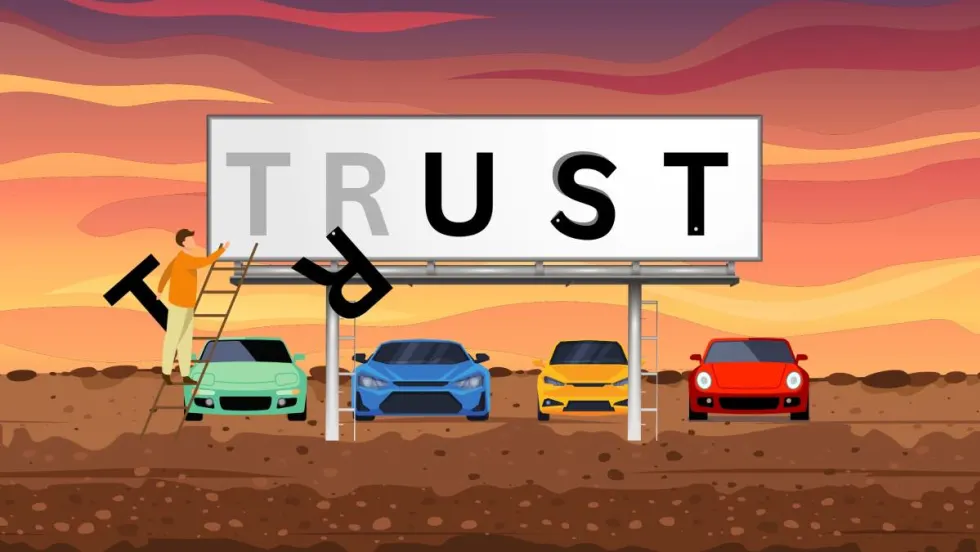
Fleets Want Trust Restored with Suppliers
During this period of ongoing supply constraints, the trust that fleet managers had with OEMs, upfitters, and dealers has been strained. Fleet managers say they have had too many experiences over the past three years coping with erroneous information, adjusting to multiple price increases, and feeling betrayed by inadequate transparency from suppliers.
Read More →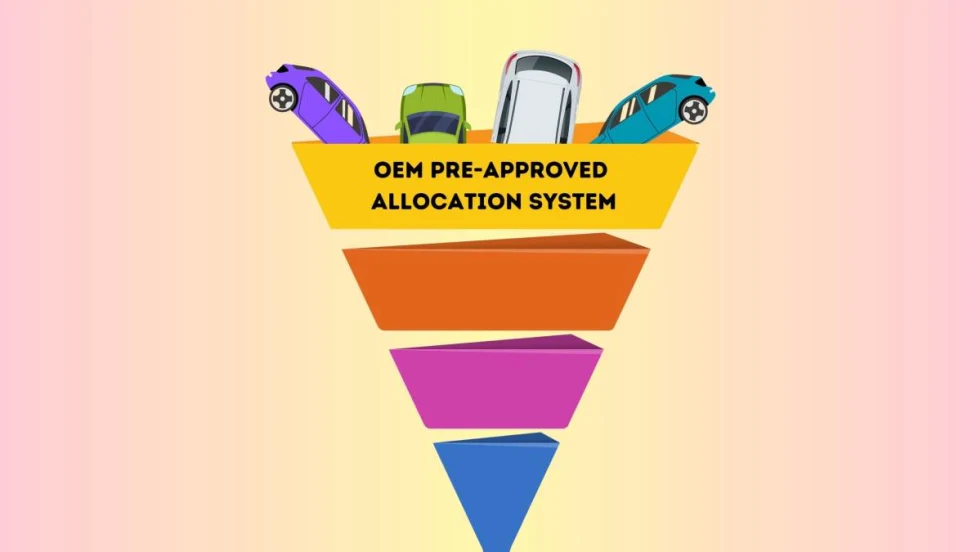
Scheduled Replacement Cycles Are Becoming a Distant Memory
The ongoing difficulty in sourcing replacement vehicles is forcing companies to extend the service lives of vehicles that are unable to be replaced, which, inevitably, increases unscheduled maintenance expenses.
Read More →
Fleet Simplification is the Antidote to Asset Variability
Fleet simplification identifies asset functions to uncover commonality among the equipment and assets. Simplification increases operational efficiency as end-users become accustomed to the controls, displays, and operation of less diverse units.
Read More →
The Dangers of Static Fleet Policies
A fleet policy is a living document, flexible enough to adapt to evolving business priorities, developing industry trends, and changing industry best practices and standards.
Read More →
Short-Term vs. Long-Term Cost Reductions
Corporate procurement staff are often driven by short-term, immediate cost reductions. However, a longer perspective to soft cost savings is critical because fixating on short-term results will hurt a company in the long run.
Read More →
Uptick in Unscheduled Maintenance Increasing Vehicle Downtime
Fleet data analysis can identify recurring downtime issues. It’s important to determine the root causes of downtime so procedures can be developed to minimize such problems.
Read More →
Eliminate Needless Curb Weight to Maximize ICE & EV Efficiencies
Vehicle weight relates directly to fuel economy. In today’s era of electrification, there is also a direct correlation between vehicle weight and battery range.
Read More →
Tech Dependence Risks Dumbing Down Fleet Manager Expertise
The line between creative thinking and problem solving and doing what the data indicates is thin. To lead in fleet management, you need to balance understanding the fundamentals and embracing what smart technology offers.
Read More →
Leverage the Synergy of Safe Driving to Achieve Sustainability and Cost Goals
Safe driving, emission reductions, and cost containment can all be achieved at the same time.
Read More →
The Playbook for Fleet Manager Success
There are many paths to success — most of them involve being flexible, open-minded, and willing to learn.
Read More →