




How to Minimize Unauthorized Use of Corporate Assets
A growing number of employees are using their company vehicles as a tool to generate supplemental personal income for themselves. Unscrupulous service technicians are known to use company vans to moonlight for their personal business. Fleet managers must be vigilant about the unauthorized use of corporate assets and aggressively implement preventive measures.

A growing number of employees are using their company vehicles as a tool to generate supplemental personal income for themselves. According to the National Labor Bureau, almost 6% of employees engage in side jobs, commonly known as moonlighting.
Service industries are the most vulnerable to moonlighters. Unscrupulous service technicians are known to use company vans to moonlight for their personal business. A common example involves employees working in landscaping, plumbing, or home improvement, who will make a deal with prospective customers after the initial job estimate was rejected because of price. These unscrupulous employees will offer to do the same job at a lower price, on their personal time, but often using corporate assets, such as the company vehicle using the tools and parts it carries.
Moonlighting has major repercussions for businesses. For instance, moonlighting employees consume extra fuel, incur unnecessary vehicle wear and tear, and siphon away job income from the primary employer. Moonlighting also creates unnecessary expenditures to replace pilfered inventory, reduces vehicle resale value due to accumulating higher mileage, and has a negative impact on brand image and reputation if substandard work is performed. In addition, there is a decrease in productivity from tired employees who are working after-hours at multiple jobs.
Another trend in unauthorized usage of company vehicles is working as an Uber or Lyft driver. Other moonlighting activities involve the secretive use of a company vehicle for part-time direct sales, such as Avon, or for pizza delivery by children of employees, who, as a family member, are authorized by company fleet policy to drive a company vehicle.
Increased Liability Exposure
Unauthorized use of corporate assets increases a company’s liability exposure to vicarious liability or negligent entrustment lawsuits. Even though a moonlighting employee may be acting as an independent contractor when engaged in outside work, he or she may still be driving the employer’s vehicle, using the employer’s tools, and possibly even wearing the employer’s uniform. Moonlighting employees often do not carry general liability insurance coverage. In the event of a lawsuit this increases the prospect for a plaintiff’s lawyer to include the moonlighter’s employer in the lawsuit, which is viewed as the deep-pocket defendant.
Moonlighting is a Safety Risk
Moonlighting is dangerous. If an employee is working multiple jobs, it is inevitable that they will be fatigued and sleep deprived, resulting in poor attentiveness, both on the job and behind the wheel. Employees exhausted from moonlighting over the weekend or after-hours are injury prone. If injuries occur during moonlighting, they may get misreported as on the job accidents, driving up workers’ compensation costs.
Tools to Inhibit Moonlighting
One way to minimize moonlighting is by exercising tight control of parts inventory. Track every part purchased from the time it enters inventory until it is sold. If you have a tight control on parts inventory, moonlighters will think twice about inventory theft. It’s not unheard of for some proactive companies to do a sting to catch employees in the act of moonlighting, but care must be taken so that it is not construed as entrapment.
Some primary employers seek to curb moonlighting by requiring workers to sign non-compete agreements. If employees’ moonlighting work violates the non-compete agreement, the primary employers can fire them and seek injunctions, but be advised that non-compete agreements are illegal in some states.
The best way to control moonlighting that involves corporate assets is through fleet policy that specifies permitted usage. Fleet policy should include:
Prohibition of loaning the vehicle to unauthorized users, hiring it out to others, using it in any livery operations, or any other enterprise not approved by the company.
Prohibition of attaching equipment to a company vehicle, such as snowplows, winches, or roof-top carriers to be used for personal business.
Prohibition of towing of trailers, boats, or campers.
It is important to make fleet policy flexible enough to cover unanticipated situations. If fleet policy lists prohibited vehicle uses, be sure to include the qualifying phrase, “including, but not limited to.” No fleet policy can be 100% successful in preventing employees from abusing personal use privileges, but, it can inhibit them and spell out the consequences of doing so.
Another way to minimize employee moonlighting is by tracking employees legally through GPS to detect location and unauthorized usage of vehicles by monitoring estimated fuel costs, mileage, and other metrics that you choose.
Making Potential Moonlighters Think Twice
Fleet managers must be vigilant about the unauthorized use of corporate assets and aggressively implement preventive measures that will make unscrupulous employees think twice before engaging in this deceitful activity.
Hold tutorials with employees to explain the capabilities of the GPS system to gently reinforce to wanna be moonlighters that their actions are being recorded. Explain to employees how inventory is tracked to inhibit the temptation of using company parts thinking no one will be the wiser.
Lastly, but most importantly, use a written fleet policy to spell out the prohibitions against unauthorized usage of corporate assets and the consequences.
Let me know what you think.
More Blog Posts
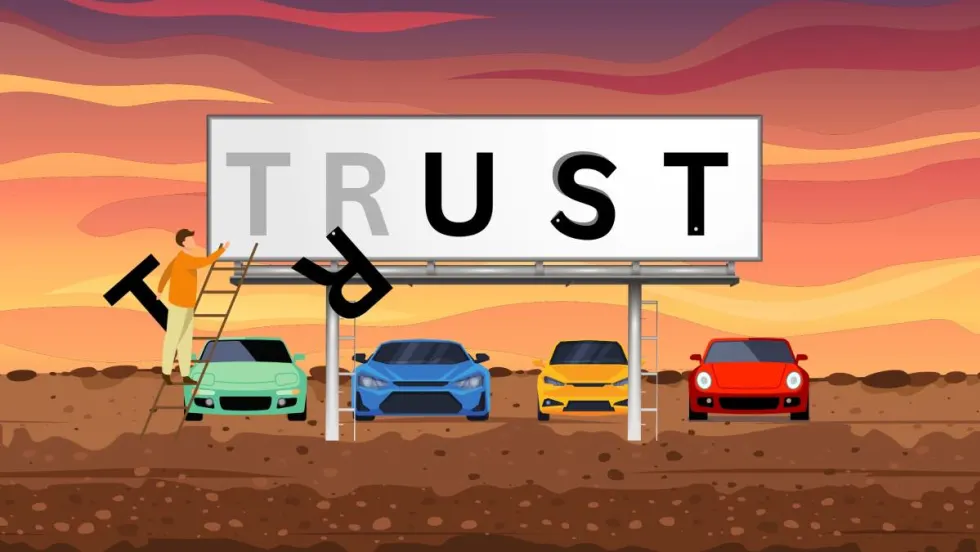
Fleets Want Trust Restored with Suppliers
During this period of ongoing supply constraints, the trust that fleet managers had with OEMs, upfitters, and dealers has been strained. Fleet managers say they have had too many experiences over the past three years coping with erroneous information, adjusting to multiple price increases, and feeling betrayed by inadequate transparency from suppliers.
Read More →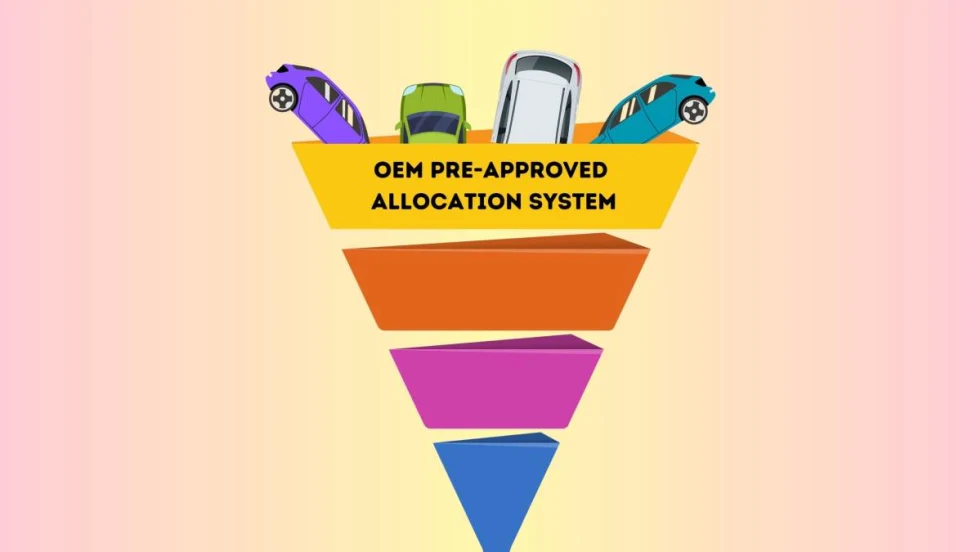
Scheduled Replacement Cycles Are Becoming a Distant Memory
The ongoing difficulty in sourcing replacement vehicles is forcing companies to extend the service lives of vehicles that are unable to be replaced, which, inevitably, increases unscheduled maintenance expenses.
Read More →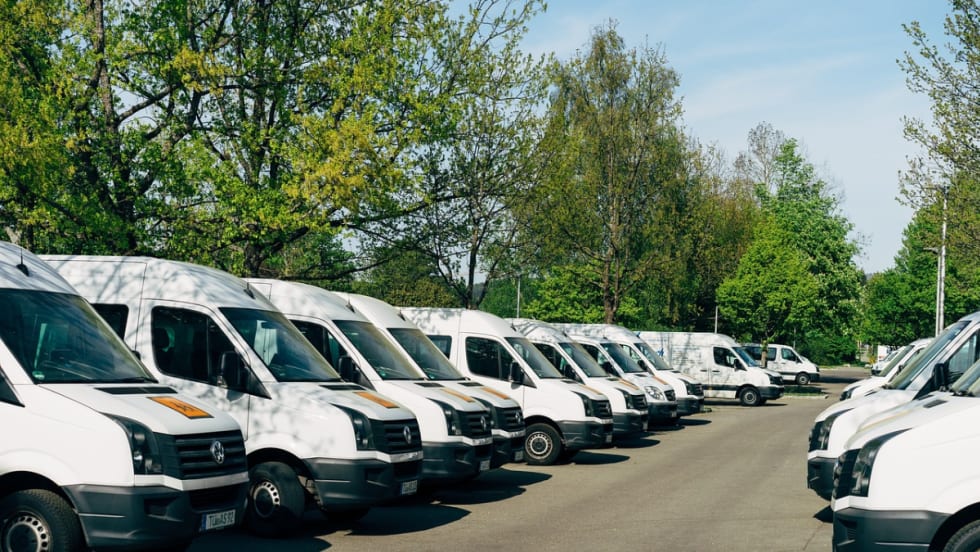
Fleet Simplification is the Antidote to Asset Variability
Fleet simplification identifies asset functions to uncover commonality among the equipment and assets. Simplification increases operational efficiency as end-users become accustomed to the controls, displays, and operation of less diverse units.
Read More →
The Dangers of Static Fleet Policies
A fleet policy is a living document, flexible enough to adapt to evolving business priorities, developing industry trends, and changing industry best practices and standards.
Read More →
Short-Term vs. Long-Term Cost Reductions
Corporate procurement staff are often driven by short-term, immediate cost reductions. However, a longer perspective to soft cost savings is critical because fixating on short-term results will hurt a company in the long run.
Read More →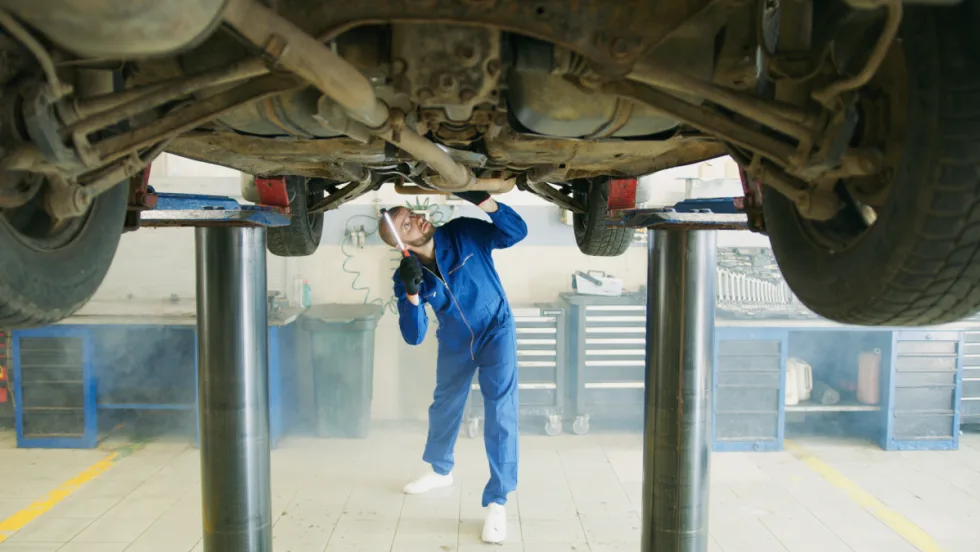
Uptick in Unscheduled Maintenance Increasing Vehicle Downtime
Fleet data analysis can identify recurring downtime issues. It’s important to determine the root causes of downtime so procedures can be developed to minimize such problems.
Read More →
Eliminate Needless Curb Weight to Maximize ICE & EV Efficiencies
Vehicle weight relates directly to fuel economy. In today’s era of electrification, there is also a direct correlation between vehicle weight and battery range.
Read More →
Tech Dependence Risks Dumbing Down Fleet Manager Expertise
The line between creative thinking and problem solving and doing what the data indicates is thin. To lead in fleet management, you need to balance understanding the fundamentals and embracing what smart technology offers.
Read More →
Leverage the Synergy of Safe Driving to Achieve Sustainability and Cost Goals
Safe driving, emission reductions, and cost containment can all be achieved at the same time.
Read More →
The Playbook for Fleet Manager Success
There are many paths to success — most of them involve being flexible, open-minded, and willing to learn.
Read More →