




High Fuel Costs Take Fleet into Uncharted Water
After 8,000 hours of research, more than 11,000 facts pertinent to the fleet industry have been collected for this year’s Automotive Fleet Fact Book. Within this wealth of data, one overriding fact stands out with klieg-light intensity – the impact of the high cost of fuel.

By Mike Antich
After 8,000 hours of research, more than 11,000 facts pertinent to the fleet industry have been collected for this year’s Automotive Fleet Fact Book. Within this wealth of data, one overriding fact stands out with klieg-light intensity – the impact of the high cost of fuel. In recent years, many companies have seen their overall fleet fuel expenses double. Especially hard hit are truck fleets as the cost of diesel has risen at a faster rate than unleaded gasoline. The nationwide average price of diesel, for the first time ever, surpassed $4 per gallon. These fleets are also now paying more for diesel due to the higher price of mandated ultra-low sulfur diesel.
The high cost of fuel has wreaked havoc on fleet budgets and caught the attention of senior management. Elevated fuel prices are an ongoing reality check of the need to reassess selector choices to minimize higher fleet expenses. Fuel economy considerations promise to play a much greater role in selector decisions than in previous model-years. Ongoing high fuel costs are prompting fleets to establish minimum mpg requirements for vehicle inclusion on a selector list. However, the reality is that fleet application restricts vehicle choices. Most fleets have limited options to change their selectors and still get the right vehicle for the job.
The high cost of fuel has a domino effect in increasing prices of other fleet-related commodities. All major tire manufacturers increased tire pricing due to rising oil costs. All fleets are adopting compensatory strategies to reduce fuel expense. Many fleets are not only looking to minimize fuel costs, but they are also seeking to reduce their CO2 emissions as part of a larger corporate initiative. Fuel management exception reporting is being modified to be more robust. Some fleets have been able to deflect the impact of fuel increases by shifting to more fuel-efficient vehicles. A growing number of fleets are seeking to increase overall fleet mpg by spec’ing four-cylinder engines instead of six cylinders. Other fleets are re-evaluating the use of SUVs or have moved to smaller SUVs. Fleet policies have been changed so AWD and 4x4 are allowed only where absolutely essential.
Other fleets are transitioning from minivans to crossovers to reduce fuel expenditures. Fleets across the board are looking to “right-size” cargo vehicles to minimize fuel expenditures, but are restricted by fleet application requirements. Increasingly, it is the lack (or future lack) of van product that is prompting fleets to consider crossovers. Fleets that are environmentally conscious or have green initiatives are acquiring hybrid vehicles. Although hybrid fleet sales volume continues to be negligible in terms of the overall industry, it is a growing segment. Several fleets have already committed to becoming all-hybrid fleets.
To decrease fuel costs significantly, fleets have three options: switch to a smaller vehicle, specify a smaller engine, or both. The concern with downsizing is that it will negatively impact driver performance, safety, and morale. For instance, smaller vehicles often can’t fulfill business needs due to reduced room to carry samples, materials, and equipment. Vehicle downsizing also raises liability concerns over driver ergonomics and safety.
A more promising strategy is telematic solutions to reduce fuel spend by optimizing trip routing and curbing unnecessary idling and speeding. Early pilot programs show the efficacy of telematic solutions. However, driver resistance to the perception of “Big Brother is Watching” presents real friction (albeit a temporary one) that is slowing more widespread telematic fleet applications.
Reimbursement discussions are re-emerging in reaction to the high cost of fuel. The motivation behind this is pressure at some companies to reduce the overall number of company-provided vehicles. One area receiving increased behind-closed-door scrutiny is driver eligibility. The high of cost of fuel is prompting companies to reassess and tighten employee eligibility to receive a company vehicle as a way to reduce fleet costs. Historically, one criterion for a company vehicle assignment is if an employee drives more than 12,000-15,000 business miles per year. Several major fleets are studying the feasibility of increasing the annual mileage threshold. Employees unable to meet the new criterion will be shifted to driver reimbursement.
The dramatic spike in the price of fuel has also increased the cost of allowing personal use of company vehicles. A growing number of companies now question whether they charge employees enough for personal use to offset the increased cost of fuel. As the cost to provide this benefit increases, companies are deciding to share this increased cost with their employees.
As of press time, the cost of oil is at $127 per barrel and the nationwide average cost of gasoline is at $3.79 a gallon. Both are record prices. As comparison, in Europe, the equivalent price of unleaded gasoline (converting liters to gallons) is $8 a gallon. Even at this stratospheric price, fleet continues to play a strong role in European business operations. Although everyone wishes the cost of fuel would be lower, the U.S. fleet market will continue to remain strong despite this ongoing cost pressure. Although selectors may change, in the final analysis, the cost of fuel will continue to be viewed as the “cost of doing business.”
Let me know what you think.
More Blog Posts

Fleets Want Trust Restored with Suppliers
During this period of ongoing supply constraints, the trust that fleet managers had with OEMs, upfitters, and dealers has been strained. Fleet managers say they have had too many experiences over the past three years coping with erroneous information, adjusting to multiple price increases, and feeling betrayed by inadequate transparency from suppliers.
Read More →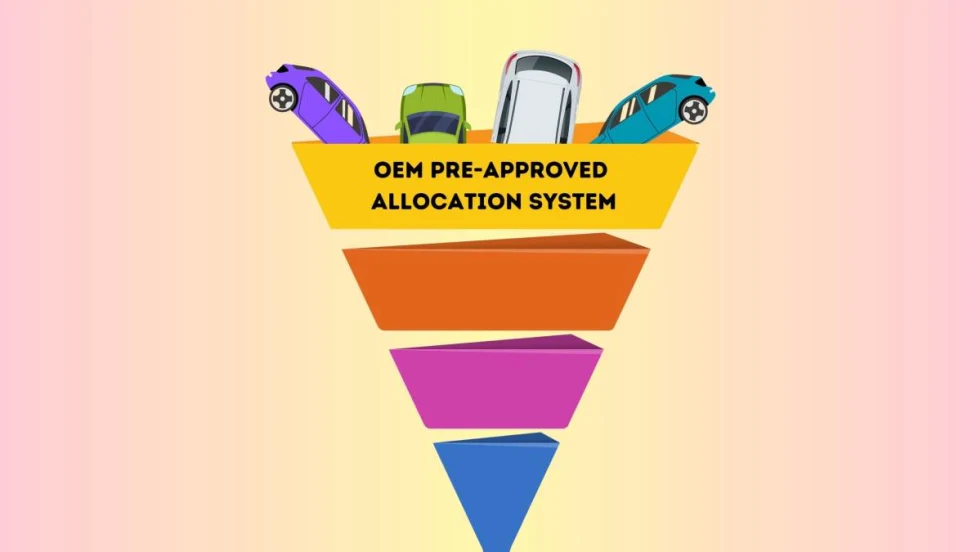
Scheduled Replacement Cycles Are Becoming a Distant Memory
The ongoing difficulty in sourcing replacement vehicles is forcing companies to extend the service lives of vehicles that are unable to be replaced, which, inevitably, increases unscheduled maintenance expenses.
Read More →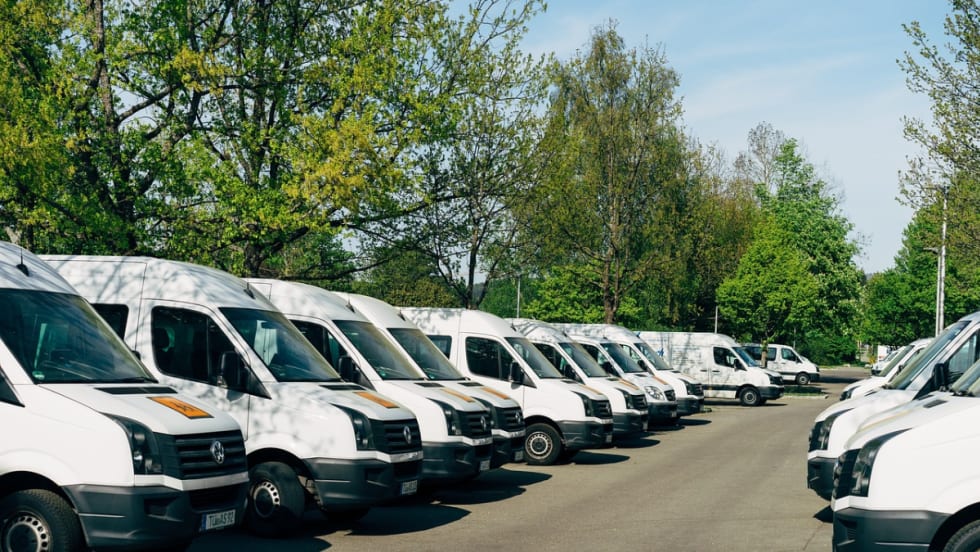
Fleet Simplification is the Antidote to Asset Variability
Fleet simplification identifies asset functions to uncover commonality among the equipment and assets. Simplification increases operational efficiency as end-users become accustomed to the controls, displays, and operation of less diverse units.
Read More →
The Dangers of Static Fleet Policies
A fleet policy is a living document, flexible enough to adapt to evolving business priorities, developing industry trends, and changing industry best practices and standards.
Read More →
Short-Term vs. Long-Term Cost Reductions
Corporate procurement staff are often driven by short-term, immediate cost reductions. However, a longer perspective to soft cost savings is critical because fixating on short-term results will hurt a company in the long run.
Read More →
Uptick in Unscheduled Maintenance Increasing Vehicle Downtime
Fleet data analysis can identify recurring downtime issues. It’s important to determine the root causes of downtime so procedures can be developed to minimize such problems.
Read More →
Eliminate Needless Curb Weight to Maximize ICE & EV Efficiencies
Vehicle weight relates directly to fuel economy. In today’s era of electrification, there is also a direct correlation between vehicle weight and battery range.
Read More →
Tech Dependence Risks Dumbing Down Fleet Manager Expertise
The line between creative thinking and problem solving and doing what the data indicates is thin. To lead in fleet management, you need to balance understanding the fundamentals and embracing what smart technology offers.
Read More →
Leverage the Synergy of Safe Driving to Achieve Sustainability and Cost Goals
Safe driving, emission reductions, and cost containment can all be achieved at the same time.
Read More →
The Playbook for Fleet Manager Success
There are many paths to success — most of them involve being flexible, open-minded, and willing to learn.
Read More →