




Fuel Continues to be the No. 1 Threat to Fleet
The number one threat to fleets continues to be the price of fuel, despite the fact that fuel prices have been declining due to the global economic slowdown. Year-to-date, the cost of fuel has increased 30 percent in 2008 compared to 2007. The Energy Information Administration is projecting fuel to average $3.82 per gallon in calendar-year 2009. Fuel is the potential game changer of the fleet industry. Consider two recent examples as harbingers of things to come.

By Mike Antich
The number one threat to fleets continues to be the price of fuel, despite the fact that fuel prices have been declining due to the global economic slowdown. Year-to-date, the cost of fuel has increased 30 percent in 2008 compared to 2007. The Energy Information Administration is projecting fuel to slightly increase in calendar-year 2009, with the price for regular unleaded gasoline to average $3.82. To give an idea of how out of kilter our perception of reality has become, many think $3.82 is a good deal for gasoline.
Although our attention is currently fixated on the meltdown of the global financial markets, it is my opinion that fuel continues to be the Sword of Damocles hanging over fleets. All it will take is one Katrina-like hurricane disrupting Gulf Coast refineries or a fully laden supertanker sunk by terrorists in the Strait of Hormoz to send fuel prices rocketing skyward. Fuel is the potential game changer of the fleet industry. Consider two recent examples as possible harbingers of things to come.
An article recently published in Fleet Europe magazine stated the increased use of videoconferencing has caused a decrease in the use of company cars in Europe. The article quoted Masterlease, a European lessor, whose parent company is GMAC Financial Services, as saying more and more international companies are decreasing business miles driven due to the high cost of fuel, along with corporate initiatives to decrease CO2 emissions. In the article, Masterlease CEO Nick Brownrigg, who manages a global portfolio of 210,000 vehicles, cited a survey by The Ethical Corporation, which revealed CO2 emissions per European employee dropped from 0.62 tons to 0.57 tons between 2006 and 2007. This decrease was the result of a decrease in business miles driven. One reason Brownrigg gave for the decrease in mileage was due to the increased use of videoconferencing as a reaction to higher fuel prices. Some Europeans, who pay the equivalent of $6 per gallon for gasoline, find videoconferencing a cost-effective alternative to in-person visits.
For another perspective on this, read my July 31 blog entitled “Will You Need Fewer Vehicles in an Era of Hyperconnectivity?” Click on www.automotive-fleet.com/Blog/Market-Trends/Story/2008/07/Will-You-Need-Fewer-Fleet-Vehicles-in-an-Era-of-Hyperconnectivity.aspx
Fuel scarcity can also be another game changer for fleet. Consider this recent example. Last month, when Hurricanes Gustav and Ike caused gas shortages in the Southeast U.S., it prompted a change in how many companies operate. Hurricanes Gustav and Ike, which made U.S. landfall Sept. 1 and Sept. 13, respectively, disrupted fuel production in the Gulf of Mexico. According to Network World magazine, the resulting gasoline shortages prompted companies in the region to expand “telework” programs so employees could conserve fuel. In the Atlanta metro area, the gas shortage caused companies to redouble their efforts to formalize or expand telework programs, said The Clean Air Campaign, a nonprofit organization that works with Georgia employers to reduce traffic congestion and improve air quality.
These two isolated incidents reveal how the dynamics of fuel (either by price or scarcity) can easily produce change in our industry. My prediction is that there is much more change yet to come.
Let me know what you think.
More Blog Posts
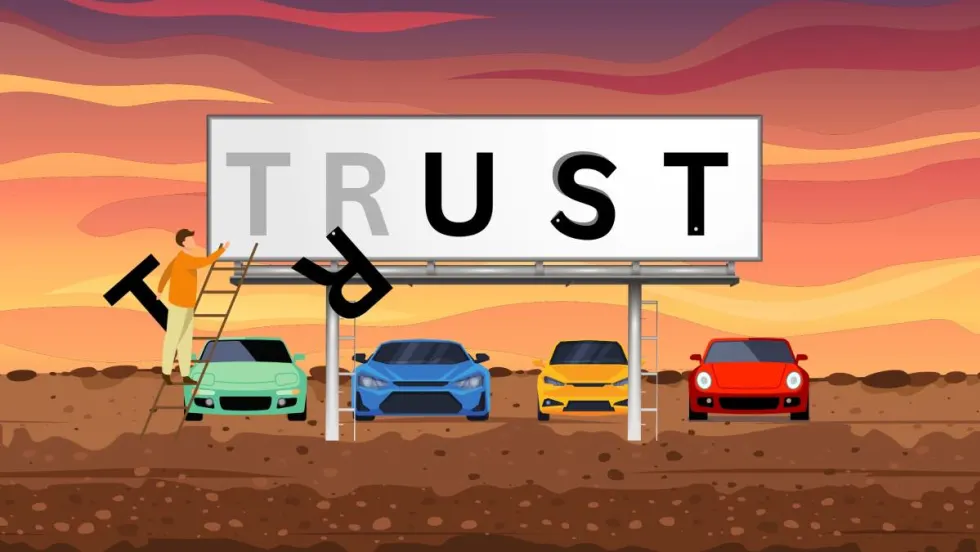
Fleets Want Trust Restored with Suppliers
During this period of ongoing supply constraints, the trust that fleet managers had with OEMs, upfitters, and dealers has been strained. Fleet managers say they have had too many experiences over the past three years coping with erroneous information, adjusting to multiple price increases, and feeling betrayed by inadequate transparency from suppliers.
Read More →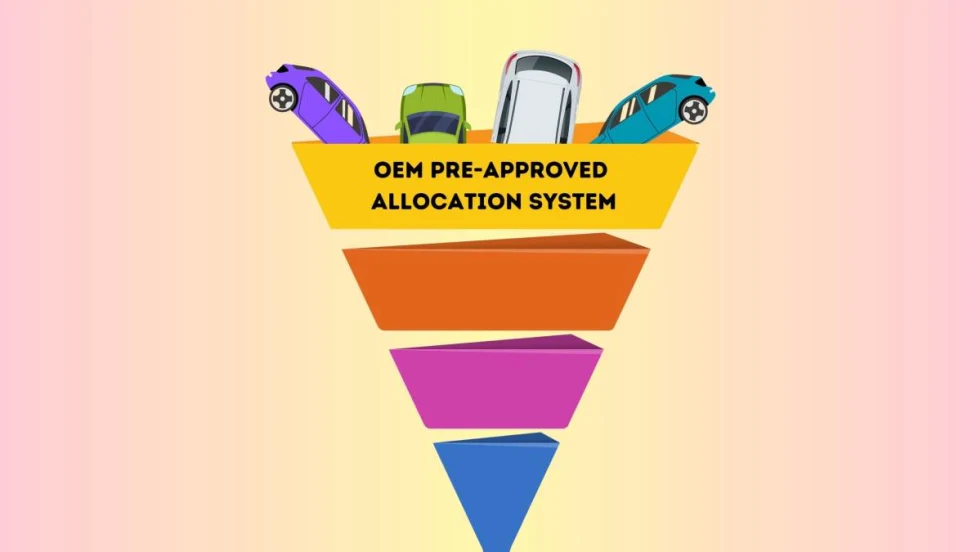
Scheduled Replacement Cycles Are Becoming a Distant Memory
The ongoing difficulty in sourcing replacement vehicles is forcing companies to extend the service lives of vehicles that are unable to be replaced, which, inevitably, increases unscheduled maintenance expenses.
Read More →
Fleet Simplification is the Antidote to Asset Variability
Fleet simplification identifies asset functions to uncover commonality among the equipment and assets. Simplification increases operational efficiency as end-users become accustomed to the controls, displays, and operation of less diverse units.
Read More →
The Dangers of Static Fleet Policies
A fleet policy is a living document, flexible enough to adapt to evolving business priorities, developing industry trends, and changing industry best practices and standards.
Read More →
Short-Term vs. Long-Term Cost Reductions
Corporate procurement staff are often driven by short-term, immediate cost reductions. However, a longer perspective to soft cost savings is critical because fixating on short-term results will hurt a company in the long run.
Read More →
Uptick in Unscheduled Maintenance Increasing Vehicle Downtime
Fleet data analysis can identify recurring downtime issues. It’s important to determine the root causes of downtime so procedures can be developed to minimize such problems.
Read More →
Eliminate Needless Curb Weight to Maximize ICE & EV Efficiencies
Vehicle weight relates directly to fuel economy. In today’s era of electrification, there is also a direct correlation between vehicle weight and battery range.
Read More →
Tech Dependence Risks Dumbing Down Fleet Manager Expertise
The line between creative thinking and problem solving and doing what the data indicates is thin. To lead in fleet management, you need to balance understanding the fundamentals and embracing what smart technology offers.
Read More →
Leverage the Synergy of Safe Driving to Achieve Sustainability and Cost Goals
Safe driving, emission reductions, and cost containment can all be achieved at the same time.
Read More →
The Playbook for Fleet Manager Success
There are many paths to success — most of them involve being flexible, open-minded, and willing to learn.
Read More →