




Fuel Card Fraud Is on the Increase
Since 2016, there has been an ongoing uptick in fuel card fraud. In light of this, it is important for companies to develop a fraud prevention strategy addressing misuse, slippage, and outright fraud.

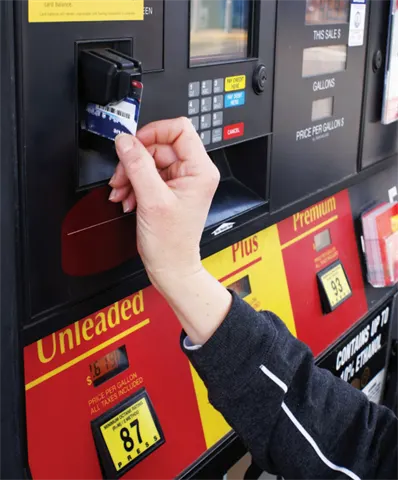
Photo courtesy of istockphoto.com/cabania.
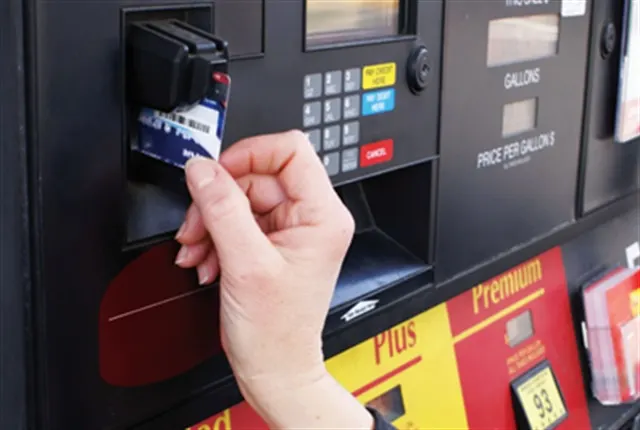
Photo courtesy of istockphoto.com/cabania.
Since 2016, there has been an ongoing uptick in fuel card fraud. In light of this, it is important for companies to develop a fraud prevention strategy addressing misuse, slippage, and outright fraud, which are defined as:
Misuse: This is when employees use company resources for personal gain, such as fueling a personal vehicle or filling a friend or family member’s vehicle.
Slippage: This is when an employee uses company dollars to purchase non-fuel items, such as food and drinks, but falsely reports it as a legitimate fuel purchase.
Fraud: This is perpetrated by a third-party and can include stolen and skimmed card data.
“Since last year, we have seen a rise in activity from fuel fraudsters. It’s critical that fleets monitor their fuel spend regularly and question anything that looks outside the norm. If something does slip through, it could affect fuel costs,” said Steve Donckers, service center manager for LeasePlan USA. “We’re monitoring for fraud as well, and have even realigned our team to account for the increase in activity. In fact, just today we had a team member identify nearly $600 in fraudulent charges for a client.”
Fraud Prevention Tips
There are a variety of controls fleet managers can implement to enforce proper fuel-card usage and prevent employee theft.
“When fleet managers establish controls across the fleet and for individual drivers, they can restrict the types of purchases, the number of transactions, the dollar limits, frequency per day or per cycle, and even the hours of purchase. These proactively help to prevent fraud and misuse, but also protect the bottom line,” said Marie LeMoine, senior vice president in the corporate payment global transportation group at U.S. Bank Voyager. “These measures really should be at the foundation of all fleet card programs.”
Here are some basic fraud prevention tips that all fleet managers and drivers should consider:
Require PINs and prompts. Require drivers to enter a personal identification number PIN and prompt them to enter a unit number or other verification data element before they are able to use the fuel pump.
Scrutinize the pump. Look for signs of tampering at the pump, like broken seals. If something on the pump looks suspicious, don’t use it. Always try to fill up at fuel stations with surveillance systems.
Regularly monitor fuel card accounts. Watch for unusual charges either from a geography standpoint or dollar amount. “These types of anomalies are red flags and may also indicate the need for stronger controls. For example, if your drivers don’t work on weekends, then fueling on those days should not be allowed. If drivers don’t go to certain states or regions, then purchases should be restricted to only their travel area. These precautions pay off and only take seconds to set up,” said LeMoine.
Keep an eye on frequency of fill-ups: If a driver stops multiple times in one day in one state, there’s a good chance something outside the normal scope of business is occurring. A fraud prevention strategy should control the amount of money that can be spent per day on fuel. This control mechanism can be based on a daily dollar limit or by pre-funding a fuel card.
Beware of credit card skimmers: Credit card skimming has become an increasingly common form of fraud, especially at fuel station. A skimming device is designed to look like a credit card scanner. When a credit card is swiped, the skimming device electronically captures cardholder data. Drivers should be on the lookout for skimming device when refueling. Check the pump next to your pump to see if the card reader and setup look different. If they do match, do not use the pump and alert the attendant at the station. When possible, use the pump closest to the stores because fraudster fear its proximity increases the risk of being caught in the act of installing or retrieving the skimming device.
Educate drivers on the consequences of fuel card misuse and fraud: It is important to stress that committing misuse and fraud is illegal and can be justification for termination.
Stop Fraud Before it Happens
The most important fuel card fraud strategy is to do everything possible to avoid it from happening in the first place. The key to preventing fraud is to educate drivers so they are aware of the risks and vulnerabilities.
“Always protect your account numbers and PINs. If the pump looks like it’s been tampered with, don’t use it. If the station doesn’t seem safe, try to go somewhere else with good lighting and cameras,” said Jake Zuanich, president and CEO of P-Fleet, a fleet fuel card provider that helps commercial fleets manage vehicle expenses.
Unfortunately, there is no fail-proof fraud prevention strategy, so it is important to maintain constant vigilance by examining every fuel expense statement looking for anomalies. If you identify potential fraud early, then action can be taken and, if the suspicious occurrence proves to be misuse or fraud, it will help your organization stop the problem from becoming a bigger problem.
Let me know what you think.
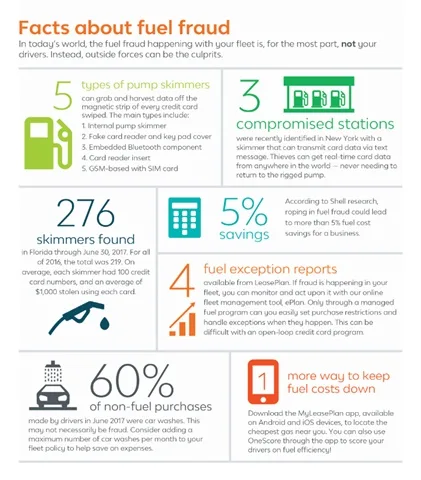
Source: LeasePlan USA
More Blog Posts

Fleets Want Trust Restored with Suppliers
During this period of ongoing supply constraints, the trust that fleet managers had with OEMs, upfitters, and dealers has been strained. Fleet managers say they have had too many experiences over the past three years coping with erroneous information, adjusting to multiple price increases, and feeling betrayed by inadequate transparency from suppliers.
Read More →
Scheduled Replacement Cycles Are Becoming a Distant Memory
The ongoing difficulty in sourcing replacement vehicles is forcing companies to extend the service lives of vehicles that are unable to be replaced, which, inevitably, increases unscheduled maintenance expenses.
Read More →
Fleet Simplification is the Antidote to Asset Variability
Fleet simplification identifies asset functions to uncover commonality among the equipment and assets. Simplification increases operational efficiency as end-users become accustomed to the controls, displays, and operation of less diverse units.
Read More →
The Dangers of Static Fleet Policies
A fleet policy is a living document, flexible enough to adapt to evolving business priorities, developing industry trends, and changing industry best practices and standards.
Read More →
Short-Term vs. Long-Term Cost Reductions
Corporate procurement staff are often driven by short-term, immediate cost reductions. However, a longer perspective to soft cost savings is critical because fixating on short-term results will hurt a company in the long run.
Read More →
Uptick in Unscheduled Maintenance Increasing Vehicle Downtime
Fleet data analysis can identify recurring downtime issues. It’s important to determine the root causes of downtime so procedures can be developed to minimize such problems.
Read More →
Eliminate Needless Curb Weight to Maximize ICE & EV Efficiencies
Vehicle weight relates directly to fuel economy. In today’s era of electrification, there is also a direct correlation between vehicle weight and battery range.
Read More →
Tech Dependence Risks Dumbing Down Fleet Manager Expertise
The line between creative thinking and problem solving and doing what the data indicates is thin. To lead in fleet management, you need to balance understanding the fundamentals and embracing what smart technology offers.
Read More →
Leverage the Synergy of Safe Driving to Achieve Sustainability and Cost Goals
Safe driving, emission reductions, and cost containment can all be achieved at the same time.
Read More →
The Playbook for Fleet Manager Success
There are many paths to success — most of them involve being flexible, open-minded, and willing to learn.
Read More →