




Fleets are the Targets for ‘Hidden Taxes’
Over the past two decades, the tax cost to operate a company-provided fleet has increased substantially. Today, taxes are the sixth-highest cost to operating a fleet.
Of every $100 spent on fleet, $4.10 is spent on taxes. In 1983, it was $3 for every $100 spent on fleet. This cost promises to increase further in the coming years, especially in an era of governmental deficit spending. Not only has the total dollar amount of taxes increased, but so too has the complexity of taxes as the number of jurisdictions imposing them continues to proliferate. Compounding this complexity is that fleet taxes vary nationwide because there is no uniformity between states or even within a state. Increasingly, states and other governmental jurisdictions are looking for ways to generate more revenues through motor vehicle-related taxes, such as higher vehicle registration fees, additional taxes on tires and batteries, and new environmental fees and surcharges. As state, county, and city governments increase fees for these services, fleet managers find it difficult to accurately budget for them. In addition, an increasing number of local jurisdictions are imposing taxes on leasing companies, such as local gross receipt taxes, business occupation taxes, and license fees.
‘Hidden Taxes’ to Supplement Revenues
States and jurisdictions are looking for ways to generate more tax revenue. One example is the accelerated sales tax. The first state to require this tax was New York, which passed an amendment to its tax law in 1992 requiring the full sales tax liability for a leased vehicle to be paid at the start of the lease. The accelerated sales tax is based on the total lease payments instead of the vehicle purchase price. For instance, the state of New York calculates its sales and use tax based on a 32-month lease term. However, if a fleet cycles a vehicle, let’s say in 28 months, or if the vehicle is totaled in its 12th month of service, then the balance of the taxes already paid are “lost.” I know that there are mechanisms in place to recoup these overpaid taxes, but it’s like fighting city hall. Even if you can prove overpayment, it is extremely difficult to retrieve these monies. Sometimes, the cost of retrieving the money is greater than the amount in question. Other states that have an accelerated sales tax are Iowa, Maine, Minnesota, New Jersey, North Dakota, Ohio, and South Dakota.
Another growing trend in fleet taxation is aggressive tax audits. More states are using audits to discover additional revenue sources. Records are being scrutinized more thoroughly than in the past and more emphasis is being placed on the substance of each transaction. Personal use is also in the crosshairs of the IRS as the federal government cracks down on what it perceives as abusive practices. Industry-wide, personal use tax recordkeeping is haphazard, ranging from well-managed to adequate. Some of the best managed personal use tax recordkeeping programs are found at fleets that have experienced an earlier audit.
Also, as state and local jurisdictions look to balance budget shortfalls, sales tax and property tax rates will continue to
increase. In addition, there is also an ongoing movement by states from a sales tax to a rental tax for leased vehicles. Other annoying taxes are neighborhood parking permits and the “double-dipping” taxation that occurs when vehicles are transferred between states without any prorated rebate provision.
Industry Watchdogs
As the adage goes, there are two certainties in life – death and taxes. Despite this truism, it is within our power to influence the degree of taxation imposed upon our industry. Recently, the fleet industry was successful in exempting trucks greater than 10,000 lbs. GVW in the state of Minnesota from a new accelerated lease tax for motor vehicles. Minnesota Gov. Tim Pawlenty signed the tax exemption into law on July 13, 2005.
Despite this and other successes, there are many more tax threats on the horizon. We as an industry should be grateful for the ongoing vigilance of the American Automotive Leasing Association (AALA), the Truck Renting and Leasing Association (TRALA), the National Association of Fleet Administrators (NAFA), and other industry watchdogs for standing up and defending the interests of the commercial fleet industry.
Let me know what you think.
mike.antich@bobit.com
More Blog Posts

Fleets Want Trust Restored with Suppliers
During this period of ongoing supply constraints, the trust that fleet managers had with OEMs, upfitters, and dealers has been strained. Fleet managers say they have had too many experiences over the past three years coping with erroneous information, adjusting to multiple price increases, and feeling betrayed by inadequate transparency from suppliers.
Read More →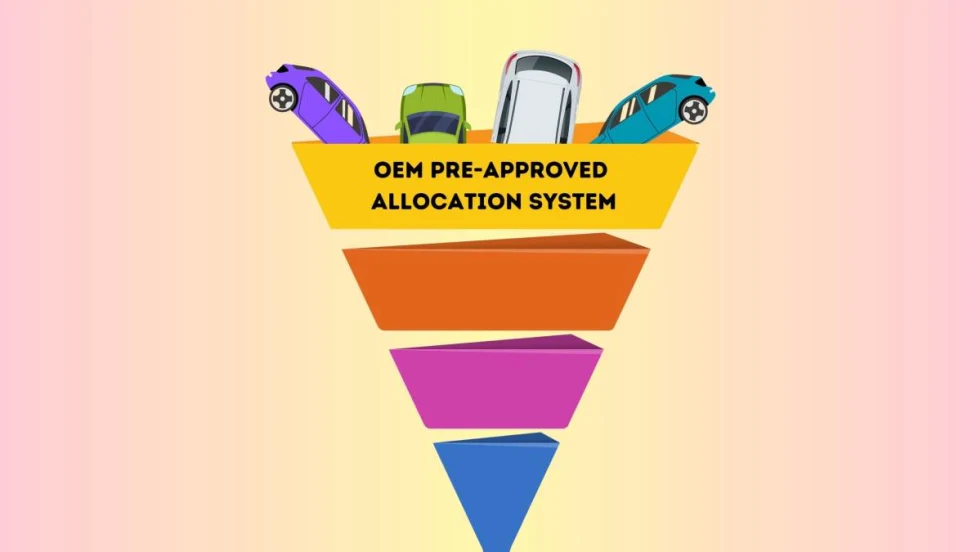
Scheduled Replacement Cycles Are Becoming a Distant Memory
The ongoing difficulty in sourcing replacement vehicles is forcing companies to extend the service lives of vehicles that are unable to be replaced, which, inevitably, increases unscheduled maintenance expenses.
Read More →
Fleet Simplification is the Antidote to Asset Variability
Fleet simplification identifies asset functions to uncover commonality among the equipment and assets. Simplification increases operational efficiency as end-users become accustomed to the controls, displays, and operation of less diverse units.
Read More →
The Dangers of Static Fleet Policies
A fleet policy is a living document, flexible enough to adapt to evolving business priorities, developing industry trends, and changing industry best practices and standards.
Read More →
Short-Term vs. Long-Term Cost Reductions
Corporate procurement staff are often driven by short-term, immediate cost reductions. However, a longer perspective to soft cost savings is critical because fixating on short-term results will hurt a company in the long run.
Read More →
Uptick in Unscheduled Maintenance Increasing Vehicle Downtime
Fleet data analysis can identify recurring downtime issues. It’s important to determine the root causes of downtime so procedures can be developed to minimize such problems.
Read More →
Eliminate Needless Curb Weight to Maximize ICE & EV Efficiencies
Vehicle weight relates directly to fuel economy. In today’s era of electrification, there is also a direct correlation between vehicle weight and battery range.
Read More →
Tech Dependence Risks Dumbing Down Fleet Manager Expertise
The line between creative thinking and problem solving and doing what the data indicates is thin. To lead in fleet management, you need to balance understanding the fundamentals and embracing what smart technology offers.
Read More →
Leverage the Synergy of Safe Driving to Achieve Sustainability and Cost Goals
Safe driving, emission reductions, and cost containment can all be achieved at the same time.
Read More →
The Playbook for Fleet Manager Success
There are many paths to success — most of them involve being flexible, open-minded, and willing to learn.
Read More →