




Fleet Policy is the DNA of Your Fleet
For the past several years, I have read with fascination about the human genome project, which seeks to decipher the DNA instructions that, along with environment, help to determine who we are as individuals.
For the past several years, I have read with fascination
about the human genome project, which seeks to
decipher the DNA instructions that, along with
environment, help to determine who we are as individuals.
In the same vein, I believe that each fleet also has a DNA
of sorts, which is comprised of the procedures and
regulations that are codified in its corporate fleet policy. It
is these procedures and regulations that determine the
types of fleet each of us operates and its characteristics.
Think about it. By creating policy such as to who is
eligible for a company vehicle, you are, in effect,
determining the size of your fleet.
In my discussions with fleet management companies
over the years, they tell me that the best-managed fleets
tend to be those that adhere to a written fleet policy. Fleet
policy is crucial and it should be part of each company’s
overall business strategy. Every affected department
should be involved in the process of creating fleet policy.
However, it is important to stress that it is the fleet
manager who should manage the policy creation process.
Once a policy is established, it is your responsibility
to communicate it to your drivers. Each of your drivers
should know the rules governing the use of a company
vehicle and what actions will be taken for noncompliance.
An all too common problem is that the
fleet manager communicates policy to the drivers’
managers, but the word doesn’t get down to the
individual drivers. To avoid this problem, many
companies teach policies and procedures regarding
company vehicles as part of the new employee
orientation and provide printed fleet policy manuals
with each vehicle.
The Danger of Policy Exceptions
When dealing with driver-related problems, the last
thing you want to do is create a new problem in the course
of resolving one. The surest way to do so is to make an
exception to your company’s vehicle usage policy.
It is extremely important that the rules governing the
withdrawal of a company vehicle privilege be
uniformly enforced for all employees. You should not set
precedent by allowing exceptions. If your company
becomes embroiled in litigation involving a company
vehicle because of a problem driver, these exceptions and
prior policy precedents can be used against you. The most
carefully developed policy can be torn to shreds by a
precedent-setting exception, which could be used to accuse
you and your company of negligent entrustment and/or
negligent retention.
No policy can anticipate all possibilities, but
consistency in dealing with all the drivers assigned
company vehicles at different locations is essential. To
accomplish this, it is crucial for senior management to give
the fleet manager the appropriate authority to address noncompliance
by drivers and those departments’ assigned
vehicles. This will go a long way toward reducing and
sometimes eliminating driver compliance issues.
The fleet manager must have the authority and backing of
upper management to address a driver’s inability to properly
operate and maintain an assigned vehicle. This authority
allows the fleet manager to address violations of fleet policy
without approval or direction from upper management.
If litigation occurs, the first thing an attorney is going to
ask is to review your company vehicle policy. With this in
mind, it is critical that a fleet manager makes sure all
drivers uniformly adhere to company fleet policy. There
should be no exceptions to your company vehicle policies.
This simple rule will make your job a lot easier and may
save you from a lot of potential grief.
Let me know what you think.
mike.antich@bobit.com
Sample Company Vehicle Policy and Procedures
Manual Available for Sale
Automotive Fleet has developed a sample company vehicle
policy and procedure manual. It is available for $120
in a printed version or on a CD ROM, plus $9.95 for shipping
and handling. You can order the handbook at
www.fleet-central.com or by calling (800) 724-4254.
More Blog Posts

Fleets Want Trust Restored with Suppliers
During this period of ongoing supply constraints, the trust that fleet managers had with OEMs, upfitters, and dealers has been strained. Fleet managers say they have had too many experiences over the past three years coping with erroneous information, adjusting to multiple price increases, and feeling betrayed by inadequate transparency from suppliers.
Read More →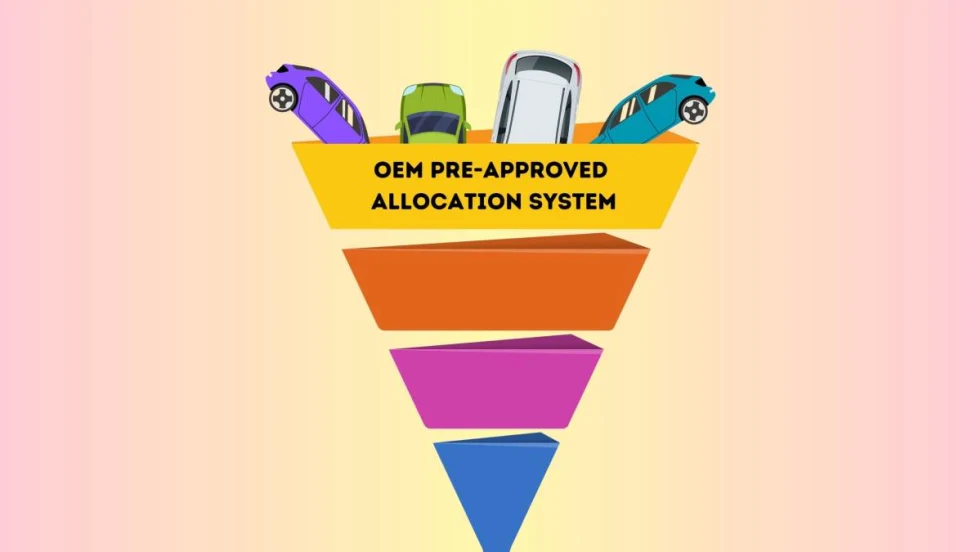
Scheduled Replacement Cycles Are Becoming a Distant Memory
The ongoing difficulty in sourcing replacement vehicles is forcing companies to extend the service lives of vehicles that are unable to be replaced, which, inevitably, increases unscheduled maintenance expenses.
Read More →
Fleet Simplification is the Antidote to Asset Variability
Fleet simplification identifies asset functions to uncover commonality among the equipment and assets. Simplification increases operational efficiency as end-users become accustomed to the controls, displays, and operation of less diverse units.
Read More →
The Dangers of Static Fleet Policies
A fleet policy is a living document, flexible enough to adapt to evolving business priorities, developing industry trends, and changing industry best practices and standards.
Read More →
Short-Term vs. Long-Term Cost Reductions
Corporate procurement staff are often driven by short-term, immediate cost reductions. However, a longer perspective to soft cost savings is critical because fixating on short-term results will hurt a company in the long run.
Read More →
Uptick in Unscheduled Maintenance Increasing Vehicle Downtime
Fleet data analysis can identify recurring downtime issues. It’s important to determine the root causes of downtime so procedures can be developed to minimize such problems.
Read More →
Eliminate Needless Curb Weight to Maximize ICE & EV Efficiencies
Vehicle weight relates directly to fuel economy. In today’s era of electrification, there is also a direct correlation between vehicle weight and battery range.
Read More →
Tech Dependence Risks Dumbing Down Fleet Manager Expertise
The line between creative thinking and problem solving and doing what the data indicates is thin. To lead in fleet management, you need to balance understanding the fundamentals and embracing what smart technology offers.
Read More →
Leverage the Synergy of Safe Driving to Achieve Sustainability and Cost Goals
Safe driving, emission reductions, and cost containment can all be achieved at the same time.
Read More →
The Playbook for Fleet Manager Success
There are many paths to success — most of them involve being flexible, open-minded, and willing to learn.
Read More →