




Fleet Operations Exist to Support User Departments, Not Vice Versa
Some fleet managers lament they used to be in "control," but now "share" responsibility, requiring approvals or buy-in from every affected department. Fleet managers must learn to be diplomats, because interdepartmental conflict can have a corrosive effect on how departments work with fleet operations.

In years past, the fleet department existed in a realm of its own. In those days, the management of other departments often didn't fully understand the nuances of fleet management other than the driver received a new vehicle every 36 months. Fleet managers of that era were the "kings" and "queens" of their own realms; however, that reality no longer exists. This is a hard transition for many long-time fleet managers. These fleet managers lament they used to be in "control," but now "share" responsibility, requiring approvals or buy-in from every affected department. As a result, what in the past were straightforward decisions now require inordinate discussion that no longer gets completed in a timely manner.
Furthermore, some fleet managers view their jobs being unduly influenced by unreasonable user groups. This is the wrong mind set. Fleet operations must be closely aligned with user departments. Interdepartmental cooperation is an integral part of fleet management. A fleet manager must establish a relationship with every department touched by fleet to address their needs, keep them informed, and gain buy-in with fleet policy. However, in the real world, not every department manager is a team player.
As a result, there are the inevitable interdepartmental conflicts, typically driven by the challenge of balancing HR/driver requirements vs. finance/accounting department requirements that are often at odds with one another. A number of fleet managers I know criticize this involvement of "non-fleet" managers, rather than seeking ways to partner and gain their support by educating them about fleet management. Fleet managers must learn to be diplomats, because interdepartmental conflict can have a corrosive effect on how departments work with fleet operations.
Meeting the Objectives of Internal Customers
What is your No. 1 goal as fleet manager? In my mind, the only answer is to better serve internal customers. I've said it a number of times in my editorials, but I can't say it enough: The reason fleet operations exist is to support user departments. To be considered a best-in-class fleet operation, you must have excellent interdepartmental relationships; however, this is easier said than done.
The reality is interdepartmental friction is an unfortunate fact of life, especially those involving "territorial" issues, which are not open to discussion or compromise. But, if we are honest with ourselves, internal customers are too often treated as a captive audience to whom policy can be dictated. As a professional, your job is to minimize the friction – from both sides.
All great fleet managers realize internal customers aren’t their nemesis; in fact, they are the very people who justify their positions. Since your primary objective is to manage the fleet to support the objectives of the user groups, it requires a management mind set to view all work from the internal customers' perspective. The bottom line is that an unhappy customer represents a deficiency in your department’s customer service performance.
Here’s another question to contemplate: What is your No. 2 goal as fleet manager? Although answers will vary, in my mind, your top secondary goal is to continually listen to all user departments, especially the "squeaky wheels," and understand their objectives and concerns. Based on my decades of experience, best-in-class fleet managers establish cooperative, working relationships with all internal user groups that rely on fleet operations, no matter how challenging the personalities of some individuals.
When user department problems are identified, seek to resolve them in a timely manner. On the other hand, there must also be user accountability. Creating a beneficial relationship with a contentious user department is not a one-way street, with all the give coming from fleet. User departments must be active partners in meeting management mandates to modify fleet composition, reduce fuel consumption, and increase utilization levels.
It is difficult to change an entrenched end-user culture to be open to alternatives, such as downsizing to smaller vehicles and eliminating underutilized assets. Unfortunately, these changes invariably require direct involvement by senior management, which requires resolving differences with a "hammer." To minimize the need to use a "big stick." you need to get other managers to see what you see, because when the time comes to implement a new fleet initiative, you will have already gained the trust of these departmental peers. To stay abreast of the management turnover in these departments, it is incumbent upon fleet managers to learn and understand the operational requirements of these user departments.
Fleet's Role in the Corporate Hierarchy
In the final analysis, fleet managers must focus on meeting the needs of their internal customers by establishing a cooperative, working relationship with all corporate functions associated with fleet. Fleet management, by its very function, should be one of the most important departments in any corporate hierarchy. Fleet managers play a pivotal role that intersects with most major corporate functions, such as HR, sales, procurement, risk management, legal, sustainability, finance, and administrative services. However, a fleet manager’s focus must be on the customer. Think about it. Without internal fleet customer groups, there would be no need for fleet managers.
Let me know what you think.
mike.antich@bobit.com
More Blog Posts
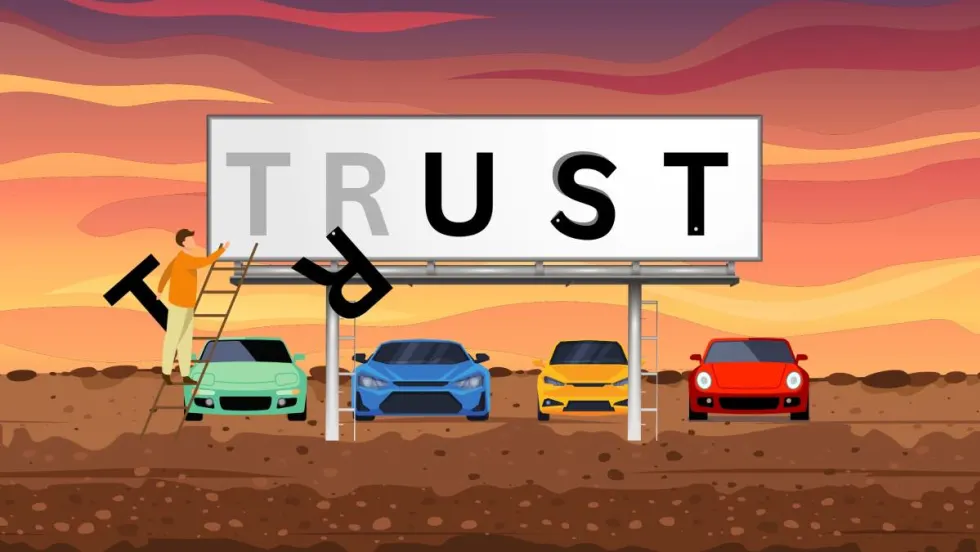
Fleets Want Trust Restored with Suppliers
During this period of ongoing supply constraints, the trust that fleet managers had with OEMs, upfitters, and dealers has been strained. Fleet managers say they have had too many experiences over the past three years coping with erroneous information, adjusting to multiple price increases, and feeling betrayed by inadequate transparency from suppliers.
Read More →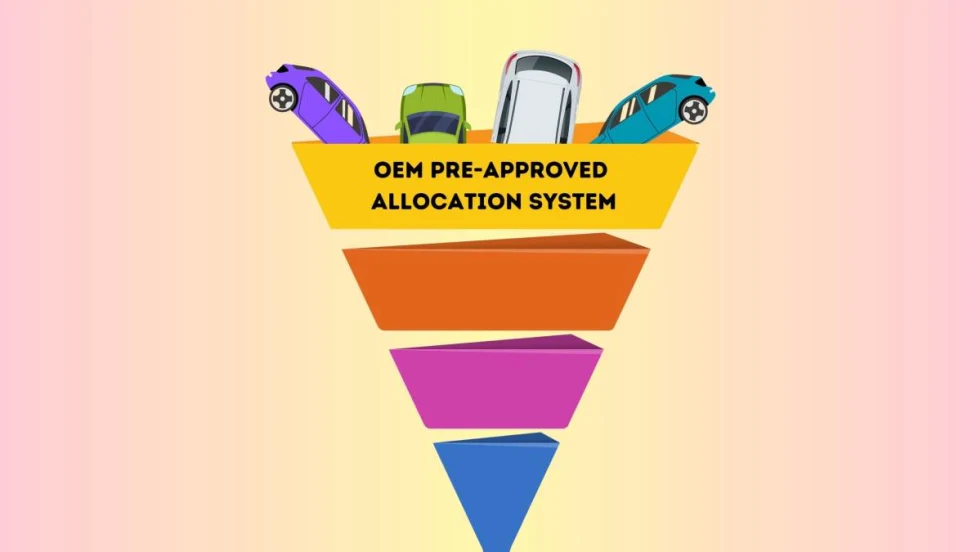
Scheduled Replacement Cycles Are Becoming a Distant Memory
The ongoing difficulty in sourcing replacement vehicles is forcing companies to extend the service lives of vehicles that are unable to be replaced, which, inevitably, increases unscheduled maintenance expenses.
Read More →
Fleet Simplification is the Antidote to Asset Variability
Fleet simplification identifies asset functions to uncover commonality among the equipment and assets. Simplification increases operational efficiency as end-users become accustomed to the controls, displays, and operation of less diverse units.
Read More →
The Dangers of Static Fleet Policies
A fleet policy is a living document, flexible enough to adapt to evolving business priorities, developing industry trends, and changing industry best practices and standards.
Read More →
Short-Term vs. Long-Term Cost Reductions
Corporate procurement staff are often driven by short-term, immediate cost reductions. However, a longer perspective to soft cost savings is critical because fixating on short-term results will hurt a company in the long run.
Read More →
Uptick in Unscheduled Maintenance Increasing Vehicle Downtime
Fleet data analysis can identify recurring downtime issues. It’s important to determine the root causes of downtime so procedures can be developed to minimize such problems.
Read More →
Eliminate Needless Curb Weight to Maximize ICE & EV Efficiencies
Vehicle weight relates directly to fuel economy. In today’s era of electrification, there is also a direct correlation between vehicle weight and battery range.
Read More →
Tech Dependence Risks Dumbing Down Fleet Manager Expertise
The line between creative thinking and problem solving and doing what the data indicates is thin. To lead in fleet management, you need to balance understanding the fundamentals and embracing what smart technology offers.
Read More →
Leverage the Synergy of Safe Driving to Achieve Sustainability and Cost Goals
Safe driving, emission reductions, and cost containment can all be achieved at the same time.
Read More →
The Playbook for Fleet Manager Success
There are many paths to success — most of them involve being flexible, open-minded, and willing to learn.
Read More →