





Related: The Fleets of Tomorrow Will Attract Fast-Track Managers With Predisposition to Analytics
Fleet Manager Leadership Defines Fleet Operations Culture
Every company has a corporate culture and if you drill down the corporate strata, every department likewise has its own culture that embodies the management philosophy of the department manager.
February 26, 2020

Photo: Gettyimages.com/fizkes1138382747
4 min to read
Every company has a corporate culture and if you drill down the corporate strata, every department likewise has its own culture that embodies the management philosophy of the department manager. Fleet is no exception and the fleet manager plays an important role in determining fleet culture, which influences its policies, attitudes, and interactions with user groups, individual drivers, and management.
The fleet manager is the one who “connects the dots” from the macro corporate level to the departmental level, all the way down to the individual employee level, which determines how the fleet is leveraged as a business tool to achieve user group objectives. The fleet manager is the one who links strategic business objectives to the management of the fleet by embracing corporate and user department goals.
How effectively they do so is what shapes fleet culture. However, fleet culture is malleable and if you want to reshape it, the fleet manager must embody the changes that he or she wants to see by demonstrating these values in day-to-day management and reinforcing behaviors that reflect these values. The ideal fleet culture is one that is focused on working collaboratively with user departments to ensure fleet decisions are in sync with their business needs and to develop an internal value proposition that promotes continuous improvement. The supposition of this culture is that fleet exists to serve user groups not vice versa. It is important to remember that being a fleet leader is more about serving than being served.
A Culture of Collaboration with User Groups
Almost all fleet operations embody a formal corporate culture that puts everything in writing, especially fleet policies and procedures. In this culture, fleet procedures follow designated processes to prevent non-compliance or inhibit users from taking shortcuts around delineated fleet procedures.
In this corporate culture, rules are established as guard rails to ensure drivers optimally operate their vehicles, do not abuse the corporate assets assigned to them, and safely operate them to minimize corporate liability exposure.
The departmental culture at best-in-class fleets focuses on cultivating a customer-service mindset and to engage in proactive collaboration to support user departments as a business partner. User departments rely upon your support to help them fulfill their daily tasks. A fleet manager’s focus each day should be: What can I do today to add value? Nothing creates more credibility than for senior management to hear user departments compliment fleet on the quality of its customer service.
Another common cultural trait of best-in-class fleets is accountability. Many fleet managers, though not all, embrace accountability because they recognize it will make them better managers. They are the stewards of expensive assets and people’s lives. It is essential to create a culture that stresses accountability and to lead by example.
Be the Change You Want to See
A best-in-class fleet culture also requires full transparency. When measuring fleet’s performance, it is important to communicate these goals within your company. Continually push metrics to internal customers to demonstrate ways to improve productivity and how to operate more cost-effectively.
Based on my experience, fleet managers who manage best-in-class fleets have another trait in common; they manage their fleets from a strategic perspective that is goal-focused. A tactical fleet manager may be well-suited to operate a well-managed fleet, but you need a strategic perspective to operate a best-in-class fleet, which transcends day-to-day fleet management.
One of the biggest challenges facing fleet managers is that they get bogged down in the day-to-day operations. A best-in-class fleet culture is goal-oriented that is focused on long-term planning. This requires synergistic interdepartmental collaboration with all business units that interact with fleet to ensure everyone’s long-term goals are in sync with one another.
Fleet leadership creates the foundation upon which fleet culture is built and how it is perceived by others. You must believe in these cultural values and not just give lip service, but practice them daily. “Be the change you want to see” is a powerful motto for all managers to internalize in their professional careers. Fleet managers must view themselves as agents of change who continually strive to do better and never rest on what’s been accomplished.
One last thing, it is important to be humble. Don’t worry about who gets the credit; just get the job done.
Let me know what you think.
Subscribe to Our Newsletter
More Blog Posts

Fleets Want Trust Restored with Suppliers
During this period of ongoing supply constraints, the trust that fleet managers had with OEMs, upfitters, and dealers has been strained. Fleet managers say they have had too many experiences over the past three years coping with erroneous information, adjusting to multiple price increases, and feeling betrayed by inadequate transparency from suppliers.
Read More →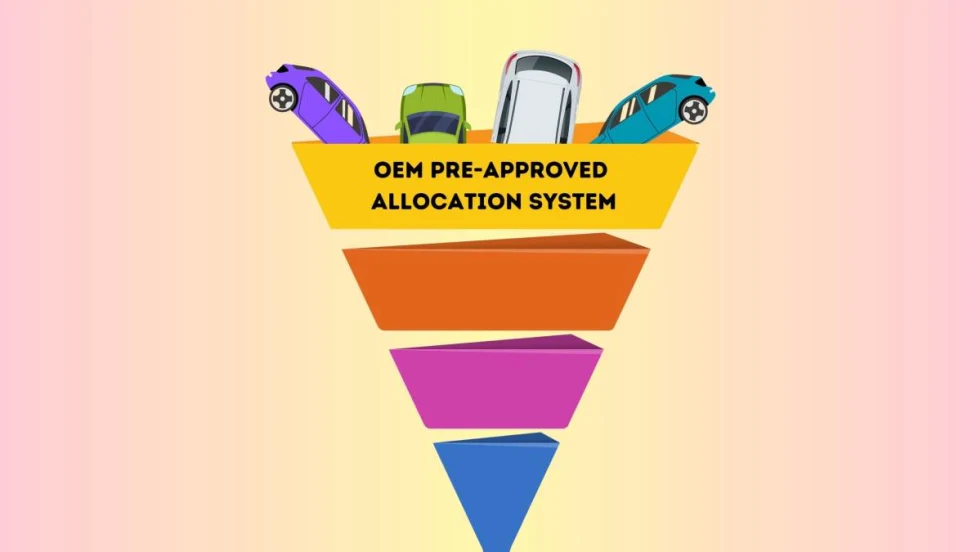
Scheduled Replacement Cycles Are Becoming a Distant Memory
The ongoing difficulty in sourcing replacement vehicles is forcing companies to extend the service lives of vehicles that are unable to be replaced, which, inevitably, increases unscheduled maintenance expenses.
Read More →
Fleet Simplification is the Antidote to Asset Variability
Fleet simplification identifies asset functions to uncover commonality among the equipment and assets. Simplification increases operational efficiency as end-users become accustomed to the controls, displays, and operation of less diverse units.
Read More →
The Dangers of Static Fleet Policies
A fleet policy is a living document, flexible enough to adapt to evolving business priorities, developing industry trends, and changing industry best practices and standards.
Read More →
Short-Term vs. Long-Term Cost Reductions
Corporate procurement staff are often driven by short-term, immediate cost reductions. However, a longer perspective to soft cost savings is critical because fixating on short-term results will hurt a company in the long run.
Read More →
Uptick in Unscheduled Maintenance Increasing Vehicle Downtime
Fleet data analysis can identify recurring downtime issues. It’s important to determine the root causes of downtime so procedures can be developed to minimize such problems.
Read More →
Eliminate Needless Curb Weight to Maximize ICE & EV Efficiencies
Vehicle weight relates directly to fuel economy. In today’s era of electrification, there is also a direct correlation between vehicle weight and battery range.
Read More →
Tech Dependence Risks Dumbing Down Fleet Manager Expertise
The line between creative thinking and problem solving and doing what the data indicates is thin. To lead in fleet management, you need to balance understanding the fundamentals and embracing what smart technology offers.
Read More →
Leverage the Synergy of Safe Driving to Achieve Sustainability and Cost Goals
Safe driving, emission reductions, and cost containment can all be achieved at the same time.
Read More →
The Playbook for Fleet Manager Success
There are many paths to success — most of them involve being flexible, open-minded, and willing to learn.
Read More →