




Fleet Management Circa 2025
How will fleet management change in the next 10 years? I foresee three transformational forces that will sweep through our industry and redirect its long-term direction.

How will fleet management change in the next 10-plus years? A common tool employed by many futurists is to extrapolate existing industry trends and project them forward into the future. However, my contention is if you want to know the future of fleet, you need to look outside the fleet industry. Historically, fleet has been an early adopter of new technologies and business practices. I believe it is important to watch how technology and business practices are evolving outside of fleet and ask yourself: How can these innovations be incorporated into fleet management? Ultimately, I foresee three transformational forces that will sweep through our industry and redirect its long-term direction.
1. More Expensive to Operate a Fleet
It will become more expensive to operate a fleet in the next 10 years. A key driver to escalating fleet costs will be the upcoming federally mandated CAFE standards, which will increase acquisition costs. Also, there will be added cost pressures from increased OEM contenting, volatile commodity prices, and government-mandated equipment, such as requiring back-up cameras as standard equipment. In the future, I can envision NHTSA mandating OEMs to make other safety features standard equipment, such as collision avoidance, blind spot warning, lane departure systems, etc. All of which will make our vehicles safer, but, at the same time, more expensive.
Although the U.S. is on the path to becoming energy independent due to the dramatic advancements in hydraulic fracturing and horizontal drilling, I believe fuel costs will continue to trend higher. Crude oil is a commodity priced to a global market, where demand is increasing from emerging markets, in particular China, which will continue to exert upward pressure on prices.
Another indicator is that we are currently operating in a low-cost interest environment; however, I do not foresee this continuing indefinitely. Ongoing federal budget deficits will inevitably exert upward pressure on interest rates to finance this growing debt. For fleets, this will ultimately result in increased costs to fund vehicles and equipment.
In the future, the new norm will be governed by the law of diminishing returns. As fleet management becomes increasingly more sophisticated and efficient, there will be diminishing opportunities to reduce costs. The reality is that most fleet costs are driven by market forces beyond our control, which we attempt to mitigate. As a result, there will be an ever-greater focus on further optimizing fleet efficiencies and driver productivity, which will make companies increasingly more receptive to implementing technological solutions in managing their fleets.
2. Shifting Generational Demographics
When you attend any fleet conference, it is apparent that the majority of people in this industry occupy a narrow demographic band, primarily Baby Boomers. In the next 10 to 15 years, there will be a dramatic generational change within our industry, as Baby Boomers retire. This new generation of fleet professionals will never have known life without the Internet, social media, and on-demand connectivity. They will be comfortable working in a fleet environment increasingly governed by technology and will be receptive to adopting new technology. This new tech-savvy workforce (and management) will demand and accelerate the adoption of technological solutions in fleet operations. It is interesting to speculate how a business-centric social media could technologically evolve. I predict that future variants of social media tools will become tightly integrated into fleet management systems and will ultimately become the communication medium of choice for the next generation of fleet professionals.
3. The Double-Edged Sword of Technology
A major trend is the ongoing migration toward driver-based fleet management. This trend involves developing increasingly sophisticated self-serve driver-based fleet management systems that automate most driver communication and routine decision making based on pre-set fleet policy parameters. There will be an increased use of technology to modify driver behavior in terms of safer driving, fleet policy compliance, and more fuel-efficient driving. There are a myriad other areas that will be redefined by technology, ranging from the emerging generation of “data connected smart vehicles” to the ever-deepening integration of business processes between fleet suppliers and their fleet clients. In fact, the greatest catalyst for fleet management change in the next 10-15 years will be technology-driven, and it will be driven by technology developed outside of fleet that will be customized to our business practices.
However, technology is a double-edged sword. The emergence of “disruptive technologies” could dramatically alter fleet management as we know it today in both positive and negative ways. For example, it is interesting to contemplate how web conferencing might evolve in three or four product generations from today. From a business perspective, will its growth and sophistication minimize the need for frequent in-person visits? Likewise, will it satisfy generational preferences for greater remote communication and who will use in-person contact only on an as-needed basis? Will it allow companies to grow their businesses and serve existing clients with a far smaller field sales force and, consequently, with fewer sales vehicles?
Secondly, what impact will the next generation of remote diagnostics and servicing have on service fleets? Will remote diagnostics require less need for on-site service by technicians and, consequently, fewer vehicles to move them around?
In the final analysis, these fleet trends are manifestations of a broader macro transformation percolating throughout the global economy that will impact many industry segments, with fleet representing only one offshoot of this multi-pronged, multi-faceted change. This is part of an ongoing process that I believe will next 10 years to fully play themselves out.
Let me know what you think.
More Blog Posts

Fleets Want Trust Restored with Suppliers
During this period of ongoing supply constraints, the trust that fleet managers had with OEMs, upfitters, and dealers has been strained. Fleet managers say they have had too many experiences over the past three years coping with erroneous information, adjusting to multiple price increases, and feeling betrayed by inadequate transparency from suppliers.
Read More →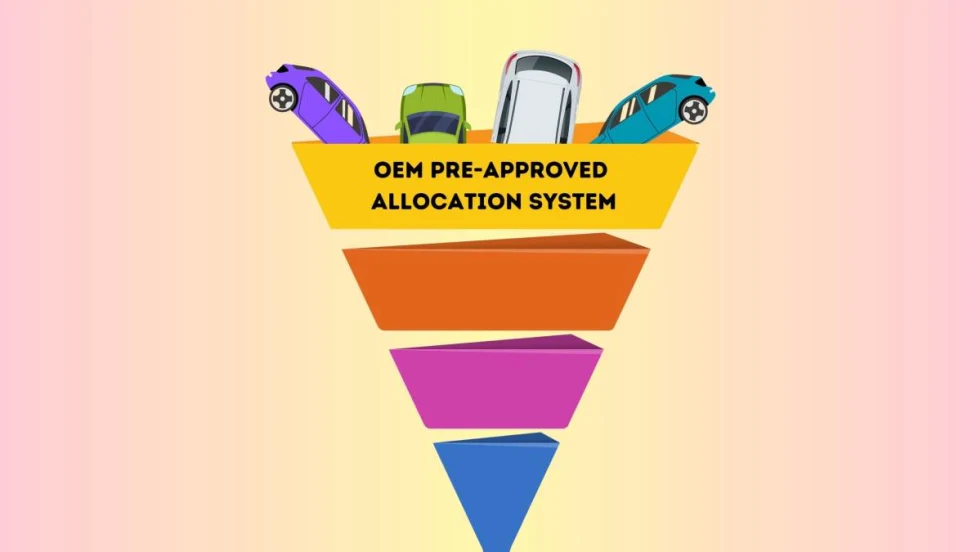
Scheduled Replacement Cycles Are Becoming a Distant Memory
The ongoing difficulty in sourcing replacement vehicles is forcing companies to extend the service lives of vehicles that are unable to be replaced, which, inevitably, increases unscheduled maintenance expenses.
Read More →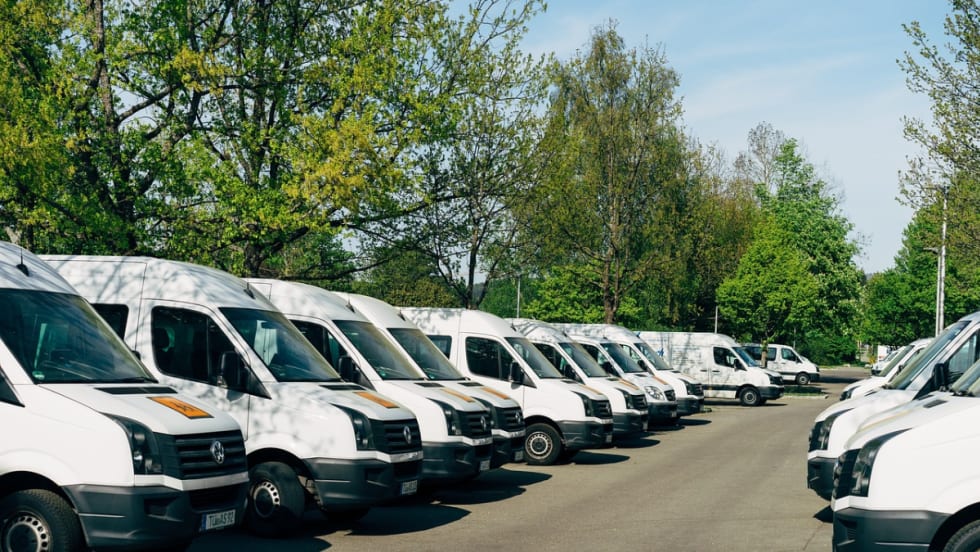
Fleet Simplification is the Antidote to Asset Variability
Fleet simplification identifies asset functions to uncover commonality among the equipment and assets. Simplification increases operational efficiency as end-users become accustomed to the controls, displays, and operation of less diverse units.
Read More →
The Dangers of Static Fleet Policies
A fleet policy is a living document, flexible enough to adapt to evolving business priorities, developing industry trends, and changing industry best practices and standards.
Read More →
Short-Term vs. Long-Term Cost Reductions
Corporate procurement staff are often driven by short-term, immediate cost reductions. However, a longer perspective to soft cost savings is critical because fixating on short-term results will hurt a company in the long run.
Read More →
Uptick in Unscheduled Maintenance Increasing Vehicle Downtime
Fleet data analysis can identify recurring downtime issues. It’s important to determine the root causes of downtime so procedures can be developed to minimize such problems.
Read More →
Eliminate Needless Curb Weight to Maximize ICE & EV Efficiencies
Vehicle weight relates directly to fuel economy. In today’s era of electrification, there is also a direct correlation between vehicle weight and battery range.
Read More →
Tech Dependence Risks Dumbing Down Fleet Manager Expertise
The line between creative thinking and problem solving and doing what the data indicates is thin. To lead in fleet management, you need to balance understanding the fundamentals and embracing what smart technology offers.
Read More →
Leverage the Synergy of Safe Driving to Achieve Sustainability and Cost Goals
Safe driving, emission reductions, and cost containment can all be achieved at the same time.
Read More →
The Playbook for Fleet Manager Success
There are many paths to success — most of them involve being flexible, open-minded, and willing to learn.
Read More →