




Electronic Vehicle Titles Will Revolutionize Title Processing: 8 States Now Recognize E-Titles
An electronic lien and title system, or ELT, is the technology that allows vehicle titles and lien information to be transmitted electronically, much like e-mail, to and from state motor vehicle agencies and lien holders, such as financial institutions and fleet management companies. Ultimately, ELT products and services will make traditional vehicle title processing obsolete, since electronic vehicle titles can be stored, transmitted, maintained, and even corrected electronically.
Today, ELT is available in 8 states — California, Florida, Idaho, New York, Massachusetts, Pennsylvania, Virginia, and Washington. Currently, there are more than 3 million electronic titles on file. In 2003, Arizona will become the next state to begin accepting electronic liens and titles. Hawaii (Oahu) and New Hampshire are currently developing and testing ELT systems. In addition, legislation has been signed into law permitting the use of electronic vehicle titles in 10 other states, although they have yet to implement an ELT system. For lien holders participating in an ELT system, a state will suppress the printing of a physical paper title. Instead of receiving a paper title by mail to store in its title vault, the lien holder, such as a fleet management company, will receive an electronic transaction stating its financial interest in the vehicle. At the end of the vehicle's lease term, a paper title will be issued to it to transfer ownership to the secondary buyer of the off-lease fleet vehicle. It is important not to confuse ELT with electronic registration and title (ERT), which is a separate program. The difference between the two is that ERT is the actual filing of the title and registration application. ELT is electronic notification that a lien is listed and replaces the issuance of a paper title. Dealers, fleet management companies, and lenders are the primary users of the electronic registration program. Currently, there are 12 states that have ERT systems. The next state to conduct a pilot ERT program is Oregon, which will do so in October 2002. (It is also important to realize that a state motor vehicle agency may allow ERT but not ELT or vice versa. There are six states that allow both. Arizona will become the seventh state once it completes development of its ELT system.) An ERT system provides lessors and rent-a-car companies the capability to remotely hard plate and register vehicles. While the functionality varies from state to state, a typical ERT system electronically connects a lessor to the state motor vehicle agency to register new vehicles; transfer, renew, or cancel registrations; inquire about taxes and violations; and report lost tags and issue replacements. An Estimated 5% of All Paper Titles are Lost Lien holder participation in an ELT program is voluntary. But most lien holders are very receptive. One advantage is that electronic files offer a way to eliminate lost paper titles. Nationwide, among all lien holders, it is estimated that there is an average 5 percent loss of titles stored in lien holder vaults. If you take a lien holder, such as a financial institution, that has a portfolio of 100,000 titles, that means that at any given time there is an average of 5,000 vehicle titles that are lost. Despite the advantages, that's not to say that there haven't been hiccups in using ELT systems. In an embarrassing programming snafu, the California DMV inadvertently purged electronic title records with no activity for four-plus years. However, as of Jan. 1, 2002, the state now excludes ELT records from its regular four-year purge criteria, and it is restoring all ELT records purged since March 2002. More Changes are Still Needed GE Capital Fleet Services is investigating the possibility of using an ELT program to secure its vehicle assets. "It greatly reduces the exposure of title loss due to a catastrophic event," said Tim Duckworth of GE Capital Fleet Services. "However, until more states accept ELTs, we face difficulties and delays in moving vehicles from an ELT to a non-ELT state." Other fleet management companies agree that additional changes need to be made to ELT programs. For instance, John Maher, VP of operations for CitiCapital Fleet, said there is the concern that ELT programs are still geared too much to financial institutions rather than fleet owners. Another concern is the time it takes to convert electronic titles to paper documents. "It takes approximately two weeks to convert electronic titles into paper, which may delay the remarketing and relicensing of vehicles," said Steve Guertler, director of vehicle operations for Wheels Inc. Ultimately, these shortcomings will be addressed. "Once this occurs, electronic titling will be a godsend to fleet management," said Tim Delaney, manager of license and title for ARI. Let me know what you think.
More Blog Posts
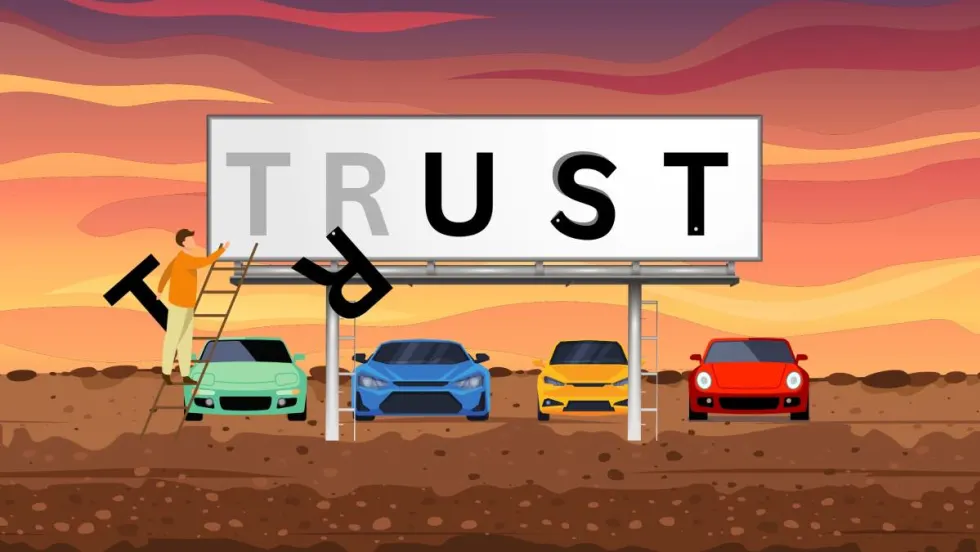
Fleets Want Trust Restored with Suppliers
During this period of ongoing supply constraints, the trust that fleet managers had with OEMs, upfitters, and dealers has been strained. Fleet managers say they have had too many experiences over the past three years coping with erroneous information, adjusting to multiple price increases, and feeling betrayed by inadequate transparency from suppliers.
Read More →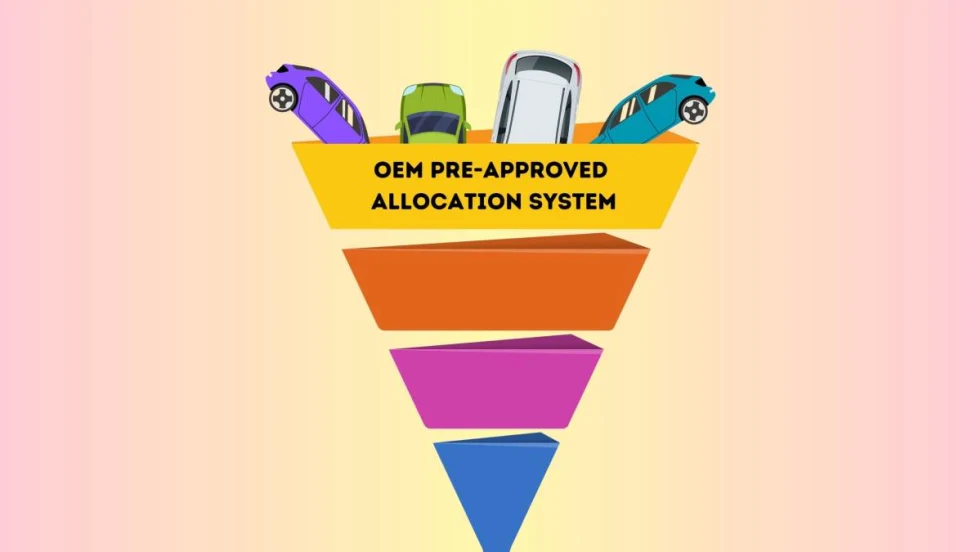
Scheduled Replacement Cycles Are Becoming a Distant Memory
The ongoing difficulty in sourcing replacement vehicles is forcing companies to extend the service lives of vehicles that are unable to be replaced, which, inevitably, increases unscheduled maintenance expenses.
Read More →
Fleet Simplification is the Antidote to Asset Variability
Fleet simplification identifies asset functions to uncover commonality among the equipment and assets. Simplification increases operational efficiency as end-users become accustomed to the controls, displays, and operation of less diverse units.
Read More →
The Dangers of Static Fleet Policies
A fleet policy is a living document, flexible enough to adapt to evolving business priorities, developing industry trends, and changing industry best practices and standards.
Read More →
Short-Term vs. Long-Term Cost Reductions
Corporate procurement staff are often driven by short-term, immediate cost reductions. However, a longer perspective to soft cost savings is critical because fixating on short-term results will hurt a company in the long run.
Read More →
Uptick in Unscheduled Maintenance Increasing Vehicle Downtime
Fleet data analysis can identify recurring downtime issues. It’s important to determine the root causes of downtime so procedures can be developed to minimize such problems.
Read More →
Eliminate Needless Curb Weight to Maximize ICE & EV Efficiencies
Vehicle weight relates directly to fuel economy. In today’s era of electrification, there is also a direct correlation between vehicle weight and battery range.
Read More →
Tech Dependence Risks Dumbing Down Fleet Manager Expertise
The line between creative thinking and problem solving and doing what the data indicates is thin. To lead in fleet management, you need to balance understanding the fundamentals and embracing what smart technology offers.
Read More →
Leverage the Synergy of Safe Driving to Achieve Sustainability and Cost Goals
Safe driving, emission reductions, and cost containment can all be achieved at the same time.
Read More →
The Playbook for Fleet Manager Success
There are many paths to success — most of them involve being flexible, open-minded, and willing to learn.
Read More →