




Driver Ergonomics: The Hidden Fleet Cost
Driver ergonomic problems are a growing concern for truck fleet managers. I recently spoke with Tony Orta, asset management manager – Fleet Services for Sempra Energy Utilities, who cited some of the key ergonomic issues affecting his fleet.
Driver ergonomic problems are a growing concern for truck fleet managers. I recently spoke with Tony Orta, asset management manager – Fleet Services for Sempra Energy Utilities, who cited some of the key ergonomic issues affecting his fleet.
“Light-duty trucks are getting taller in stance making it difficult for people under 5 feet 8 inches to access top-opening side bins,” said Orta. “Although compact trucks are more economical, when a mobile data terminal is installed, the cab interior is more cramped. Also, compact trucks are less comfortable for larger workers or those who are 6 feet or taller.”
Work trucks, over the years, have evolved into offices on wheels. To fulfill this mission, trucks are equipped with more in-cab devices, such as mobile data terminals for job-site reporting, routing, and work orders. These devices are creating a cramped cab environment, restricting driver movement and raising ergonomic issues. Also, as more woman drivers enter the work force, shorter stature employees sometimes cannot work in large trucks because of the increased brake/accelerator pedal distance, even with the seats moved completely forward.
Growing of Americans
Under OSHA regs, an employer must provide a workplace (which includes work vehicles) free from recognized hazards. Driver-related ergonomic issues can lead to Workers’ Comp claims, which are on the rise for truck fleets. Contributing to increased complaints are less-than-ergonomic upfitting decisions, which sometimes results in expensive litigation. Fleets often find themselves defending upfit specifications against negligence allegations that result from pushing, pulling, lifting, or bending injuries. These are expensive injuries. For instance, the average Workers’ Comp cost for a pushing/pulling injury is $10,175, while the average cost for a lifting/bending incident is $8,989.
Contributing to the increase in fleet-related ergonomic issues is the “growing of Americans,” said Orta. When originally developed, GVW calculations were based on a driver’s average weight of 150 lbs. However, most of us today would be hard pressed to locate many 150-lb. employee drivers. The expanding girth of American drivers is creating unanticipated ergonomic issues. “When seated, the most important feature is the ability of the driver to adjust the seat and steering column to allow easy access to instrument panel controls, along with maintaining good visibility of the road and the dashboard,” said Orta. “Nowadays, many employees find themselves sitting much closer to the steering wheel, even with the seat pulled fully back.” As an aside, seating is an ergonomic “mine field.” An estimated 40 percent of all truck drivers suffer from chronic back problems.
An easy solution is to spec larger trucks. However, this ergonomic quick-fix is often contrary to corporate fleet goals, such as reducing fuel spend and minimizing greenhouse gas emissions, said Orta. However, when employees are assigned a small pickup, their in-cab work space is reduced. A smaller pickup also means, by default, a smaller payload. One benefit to small pickups is improved drivability. Some younger employees, in particular, prefer driving compact trucks because of past familiarity. When assigned a larger truck, there is a correlated increase in backing incidents due to inaccurate gauging of distance.
“Buying vehicles is a challenge,” said Orta. “You can set your fleet to a bell curve, in terms of what employees can operate, and then deal with the exceptions on either end. But the result is after-the-fact modifications, such as adding a step or swapping a driver from a large truck to a small truck or vice versa,” said Orta. “We are probably only seeing 10 percent of the ergonomic concerns. Decisions are made in the field to modify vehicles without people ever knowing. It is not until there is an issue that it is brought to the surface, such as when an accident occurs or someone complains of a back or neck problem,” added Orta.
Bottom-Line Impact of Ergonomics
Field managers should regularly inspect vehicles and upfitted equipment to ensure safe working conditions. These guidelines should also require employees to report any equipment failure or damage. Likewise, a fleet manager must work closely with drivers to analyze normal work processes. For instance, this may identify actions that can lead to injury, such as repeatedly having to climb into the rear of a service body truck for parts or equipment.
“As employees go about their day to perform planned activities that often contain unforeseen variables, they should strive to main-tain a high level of awareness with respect to their environment and how they personally interact with the tools that they use, which include the vehicles they drive,” said Orta.
Ergonomics is also an accident avoidance issue. Poor ergonomics reduces driver comfort, which increases fatigue, a key contributor to preventable accidents. In the final analysis, resolving ergonomic issues can have a significant impact on your company’s bottom line by reducing Workers’ Comp costs, improving driver productivity, and reducing fatigue-induced operator errors.
Let me know what you think.
More Blog Posts

Fleets Want Trust Restored with Suppliers
During this period of ongoing supply constraints, the trust that fleet managers had with OEMs, upfitters, and dealers has been strained. Fleet managers say they have had too many experiences over the past three years coping with erroneous information, adjusting to multiple price increases, and feeling betrayed by inadequate transparency from suppliers.
Read More →
Scheduled Replacement Cycles Are Becoming a Distant Memory
The ongoing difficulty in sourcing replacement vehicles is forcing companies to extend the service lives of vehicles that are unable to be replaced, which, inevitably, increases unscheduled maintenance expenses.
Read More →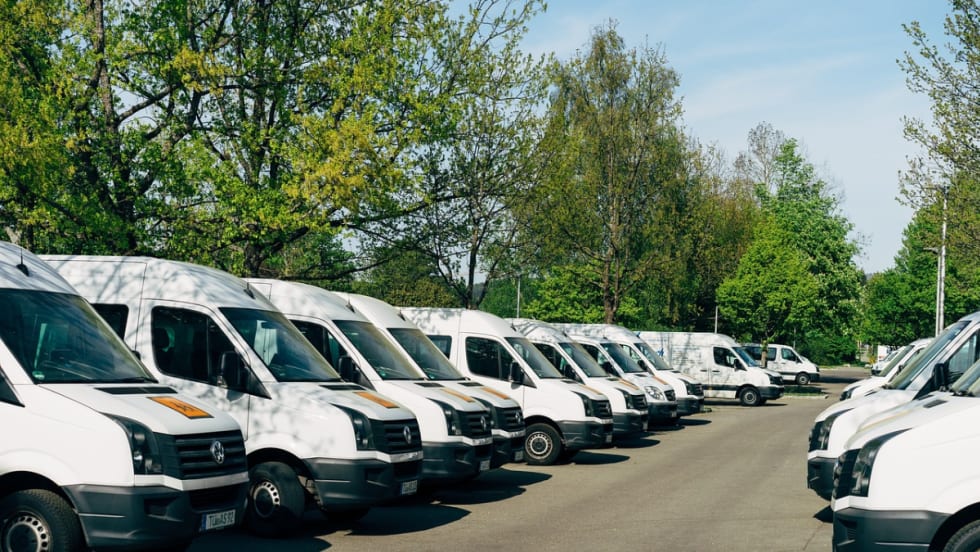
Fleet Simplification is the Antidote to Asset Variability
Fleet simplification identifies asset functions to uncover commonality among the equipment and assets. Simplification increases operational efficiency as end-users become accustomed to the controls, displays, and operation of less diverse units.
Read More →
The Dangers of Static Fleet Policies
A fleet policy is a living document, flexible enough to adapt to evolving business priorities, developing industry trends, and changing industry best practices and standards.
Read More →
Short-Term vs. Long-Term Cost Reductions
Corporate procurement staff are often driven by short-term, immediate cost reductions. However, a longer perspective to soft cost savings is critical because fixating on short-term results will hurt a company in the long run.
Read More →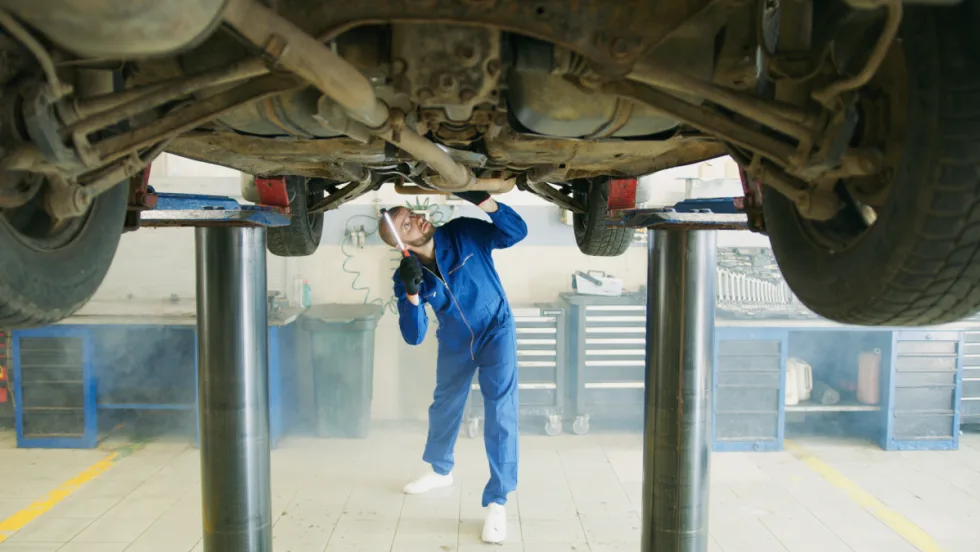
Uptick in Unscheduled Maintenance Increasing Vehicle Downtime
Fleet data analysis can identify recurring downtime issues. It’s important to determine the root causes of downtime so procedures can be developed to minimize such problems.
Read More →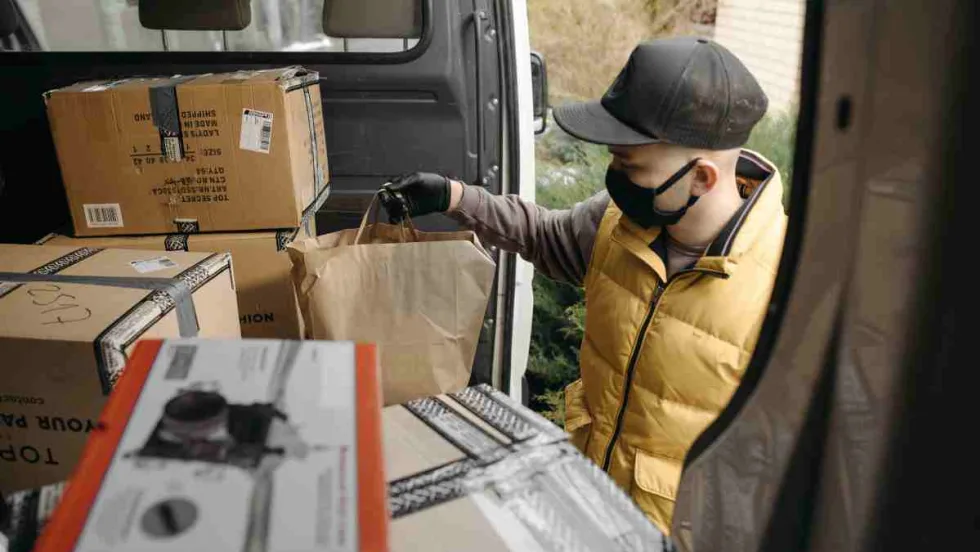
Eliminate Needless Curb Weight to Maximize ICE & EV Efficiencies
Vehicle weight relates directly to fuel economy. In today’s era of electrification, there is also a direct correlation between vehicle weight and battery range.
Read More →
Tech Dependence Risks Dumbing Down Fleet Manager Expertise
The line between creative thinking and problem solving and doing what the data indicates is thin. To lead in fleet management, you need to balance understanding the fundamentals and embracing what smart technology offers.
Read More →
Leverage the Synergy of Safe Driving to Achieve Sustainability and Cost Goals
Safe driving, emission reductions, and cost containment can all be achieved at the same time.
Read More →
The Playbook for Fleet Manager Success
There are many paths to success — most of them involve being flexible, open-minded, and willing to learn.
Read More →