




Debunking the Defeatist Mindset Toward Fleet Sustainability
Many fleet managers know they should be doing something to “green” their fleet, but they do nothing, rationalizing (and justifying) their inaction due to budget constraints or lack of management support. To me, this is a self-fulfilling mindset that guarantees your fleet will remain in a status quo situation. Fleet managers need to break free from this defeatist mindset and here's how to do it.

At many corporations, vehicle fleets are key contributors to a company’s overall greenhouse gas (GHG) emissions. While many fleet managers know they should be doing something to “green” their fleet, they do nothing, rationalizing (and justifying) their inaction due to budget constraints or lack of management support. To me, this is a self-fulfilling mindset that guarantees your fleet will remain in a status quo situation. Fleet managers need to break free from this defeatist mindset. The invariable retort from these fleet managers is: “What can I do to green my fleet under these circumstances?”
Well, there are many things that you can do. The first thing is to work within the framework that the most cost-effective way to green your fleet is to reduce overall fleet costs. In fact, there is a direct correlation between running an efficient fleet and running a greener fleet, and vice versa. Fleet managers need to liberate themselves from preconceived notions and realize that a green fleet program can take many forms, all of which can be customized to the needs of each organization.
Redirecting Fixed Costs to Green Your Fleet
Overall, fleet costs are divided into two categories: fixed costs, which represent the cost of the asset; and operating costs, which represent the cost of utilizing the asset. Invariably, initiatives to reduce expenses in one or both of these cost categories will yield dividends that support corporate sustainability initiatives.
For instance, one strategy to reduce fixed costs is to optimize fleet utilization by eliminating underutilized assets. This will have an immediate impact on achieving sustainability targets since the fewer vehicles there are in a fleet, the fewer the cumulative emissions. Fleet cost control has a symbiotic relationship with fleet sustainability. Optimal fleet utilization will lower fleet costs, which, in turn, will lead to a greener fleet. In other words, if you want to green your fleet, there should be a relentless focus on managing vehicle utilization, especially identifying underutilized vehicles and equipment. Managing overall fleet size — by avoiding unplanned “fleet creep” — should be one of your top priorities, because that’s where your biggest emissions reductions and cost savings arise. The decrease in overall fuel consumption will automatically result in an overall decrease in fleet emissions.
When the average unit age of the fleet is high, it will thwart even the best-intended green fleet initiatives. A regularly scheduled vehicle replacement program is an integral part of a green fleet program, regardless of whether you buy an alternative-fuel vehicle or not. The act of replacing older vehicle technology with today’s powertrain technology automatically lowers emission and increases fuel economy; not to mention improving maintenance reliability, reducing downtime, and overall driver morale. With current advances in average fuel economy and decreased emissions, a regular replacement cycle will continually update your fleet, resulting in the operation of fewer inefficient vehicles.
Reduced Fuel Consumption = Fewer Emissions
There is a direct correlation with the amount of fuel consumed to the amount of fleet emissions. There are a number of ways to reduce fuel consumption. During the selector development process, draw a line in the sand appropriate for your fleet application, and adopt a minimum fuel economy requirement in order for a vehicle to be added to a selector. If your fleet application will allow it, downsize vehicle size where practical. However, avoid the knee-jerk reaction to under-spec fleet vehicles to achieve greater fuel economy, because certain applications require larger vehicles. Similarly, spec the smallest displacement engine and smallest class of vehicle that can fulfill the fleet application. Making these precise determinations is where your fleet management skills and expertise come into play.
If fuel efficiency is constrained by equipment requirements, the “last mile” to achieving corporate sustainability objectives is modifying driver behavior. Although I refer to this as the “last mile,” it represents the greatest opportunity for fleet managers to green their fleets. The way an employee drives determines the volume of GHG emissions produced by a company vehicle. For example, every unnecessary gallon of gasoline burned creates 19.5 pounds of CO2. Similarly, every unnecessary gallon of diesel burned creates 22.1 pounds of CO2. Even if a vehicle’s EPA fuel economy is rated high, aggressive and inefficient driving can substantially degrade a vehicle’s optimal fuel economy.
Most fleets distribute fuel-saving suggestions to their drivers; however, creative fleet managers challenge their drivers to decrease their fuel consumption, say a gallon or two per week, using the suggestions provided to them. Drivers, many of whom are in sales, tend to respond better to a challenge versus a list of suggestions, which are, more often than not, ignored. Other cost-neutral ways to reduce fuel spend include implementing anti-idling initiatives and having drivers regularly check tire pressure to ensure they are properly inflated. There numerous other proven ways to reduce fuel consumption and lower emissions, which do not require budget increases or approval of senior management. In the final analysis, practicing effective fleet management will automatically green your fleet and save you a few bucks in the process.
Let me know what you think.
More Blog Posts

Fleets Want Trust Restored with Suppliers
During this period of ongoing supply constraints, the trust that fleet managers had with OEMs, upfitters, and dealers has been strained. Fleet managers say they have had too many experiences over the past three years coping with erroneous information, adjusting to multiple price increases, and feeling betrayed by inadequate transparency from suppliers.
Read More →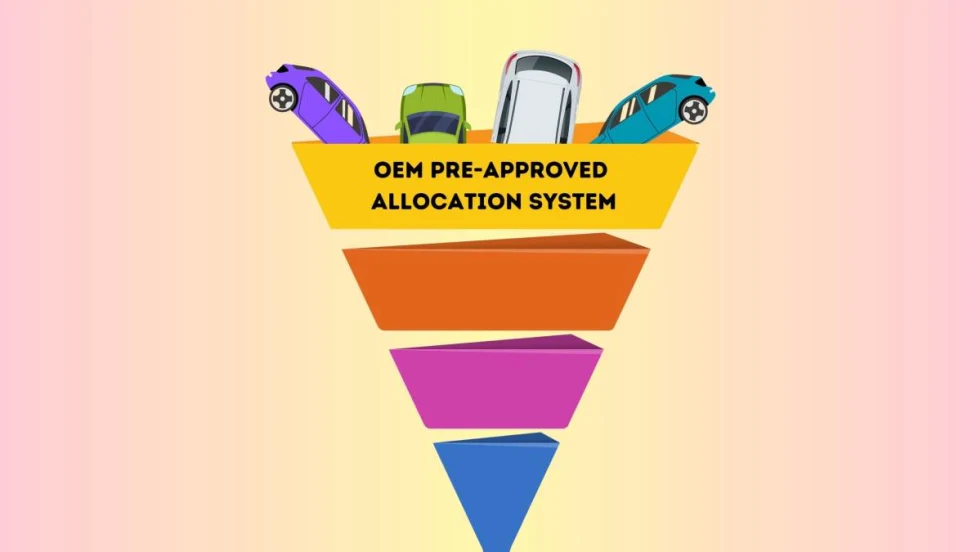
Scheduled Replacement Cycles Are Becoming a Distant Memory
The ongoing difficulty in sourcing replacement vehicles is forcing companies to extend the service lives of vehicles that are unable to be replaced, which, inevitably, increases unscheduled maintenance expenses.
Read More →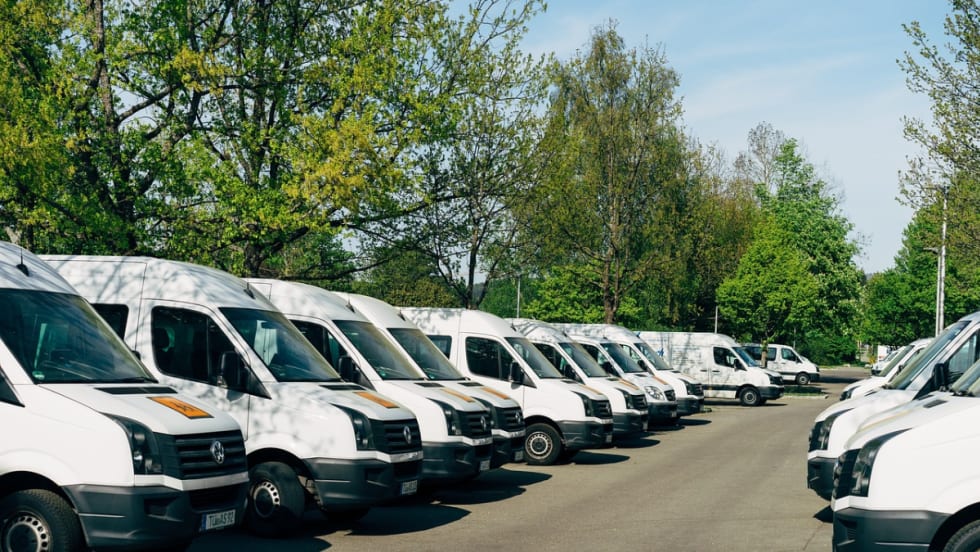
Fleet Simplification is the Antidote to Asset Variability
Fleet simplification identifies asset functions to uncover commonality among the equipment and assets. Simplification increases operational efficiency as end-users become accustomed to the controls, displays, and operation of less diverse units.
Read More →
The Dangers of Static Fleet Policies
A fleet policy is a living document, flexible enough to adapt to evolving business priorities, developing industry trends, and changing industry best practices and standards.
Read More →
Short-Term vs. Long-Term Cost Reductions
Corporate procurement staff are often driven by short-term, immediate cost reductions. However, a longer perspective to soft cost savings is critical because fixating on short-term results will hurt a company in the long run.
Read More →
Uptick in Unscheduled Maintenance Increasing Vehicle Downtime
Fleet data analysis can identify recurring downtime issues. It’s important to determine the root causes of downtime so procedures can be developed to minimize such problems.
Read More →
Eliminate Needless Curb Weight to Maximize ICE & EV Efficiencies
Vehicle weight relates directly to fuel economy. In today’s era of electrification, there is also a direct correlation between vehicle weight and battery range.
Read More →
Tech Dependence Risks Dumbing Down Fleet Manager Expertise
The line between creative thinking and problem solving and doing what the data indicates is thin. To lead in fleet management, you need to balance understanding the fundamentals and embracing what smart technology offers.
Read More →
Leverage the Synergy of Safe Driving to Achieve Sustainability and Cost Goals
Safe driving, emission reductions, and cost containment can all be achieved at the same time.
Read More →
The Playbook for Fleet Manager Success
There are many paths to success — most of them involve being flexible, open-minded, and willing to learn.
Read More →