




Dealer Consolidation Creates New Headaches for Out-of-Stock Purchases
Fleet managers try to minimize the number of out-of-stock purchases. But there are instances when these purchases can't be avoided, such as accident replacement and unanticipated new hires. However, the downsized dealer network has caused searches for out-of-stock vehicles to become more difficult and time-consuming. With OEM production reduced to match demand, fleets attempting to purchase out-of-stock are increasingly competing with retail customers. Is this the new reality?

Every fleet manager seeks to minimize the number of out-of-stock purchases. However, there are instances when these purchases can't be avoided, such as accident replacement and unanticipated new hires requiring company-provided vehicles. Also, there has been an increase in out-of-stock orders, especially after many fleets have extended replacement cycling.
However, the downsized dealer network has caused searches for out-of-stock replacement vehicles to become more difficult. OEMs are building-to-order versus building-to-capacity. As manufacturers right-size production, dealer inventory has been substantially reduced. In fact, dealer inventory is at near-historic lows, with the industry averaging a 52-day supply of vehicles. (Traditionally, a 60-day supply was considered normal dealer inventory.) With production reduced to match demand, fleets attempting to purchase out-of-stock are increasingly competing with retail customers for product. In fact, some out-of-stock fleet orders have been cancelled so the unit can be sold to a retail customer.
Compounding this problem is that dealers are hesitant to sell to fleets because the sale does not count toward their retail allocation. This also works against fleets attempting to meet manufacturer volume incentives. Some dealers will agree to make a fleet sale, but will not report it to the OEM as a fleet unit. In these cases, fleets are not only denied volume incentive money, but some high-demand vehicles also offer no retail rebates, which further increases a fleet's out-of-stock acquisition cost.
Difficulty Locating Fleet-Appropriate Vehicles
The reduced number of dealers has made it difficult to locate dealerships that have models in inventory with fleet option packaging. Typically, retail models are over-equipped for fleet purposes. Nowadays, there is less flexibility in option choices. Dealer inventory is heavily weighted towards higher demand retail models and specifications. Fleets with very specific color requirements are finding it difficult to find appropriate units. This has lengthened the time to locate out-of-stock units, especially when a company has strict color and equipment guidelines. Increasingly, fleets are being forced to acquire vehicles that are the closest match to their specs. These vehicles are usually more retail-equipped, with options such as sunroofs, Bluetooth, and upgraded sound systems. This causes fleet managers to make hard decisions as to whether to introduce these "non-selector" options to the field to fulfill an emergency replacement, such as for a totaled unit. One unintended benefit is the additional equipment will, most likely, result in a higher resale at the end of the vehicle's service life. This inventory shortage provides an opportunity for fleet managers to "think out of the box." If it is difficult to locate a new vehicle that meets fleet specs, then perhaps a fleet should consider a pre-owned model. Isn't this what we already do when we reassign an in-service fleet vehicle to another driver? Factors favoring the acquisition of a pre-owned vehicle are a lower purchase price and reduced lifetime depreciation.
More Expensive & Wider Searches
Distances to find acceptable vehicles are increasing, resulting in unwanted transportation fees and additional miles on the replacement unit. In addition, the greater the distance a vehicle is transported, the greater the risk of damage during transit. The net result is longer downtime (and lost productivity) for the driver waiting for the replacement unit. This also results in higher rental costs until the new unit arrives.
Ideally, you want to acquire a replacement vehicle at a dealership closest to the driver. However, this is becoming increasingly difficult to do. It has gotten so bad that sometimes out-of-stock units must be transported from another state, which creates additional headaches in terms of registration and titling. Some dealers refuse to trade vehicles with other dealers, while others demand a premium unit in exchange for a fleet-level vehicle. Other dealers may not post their entire inventory on a locator, especially models in limited supply.
Pricing is another issue. Reduced inventories have driven up transaction prices. On the macro level, fewer dealers in a local market create a less competitive environment. Fleets look to purchase vehicles at a discount or close to factory invoicing. Nowadays, dealers are pricing out-of-stock units, especially high-demand models, at MSRP or near-MSRP rather than invoice.
The New Reality
Fleet managers need to readjust expectations and understand it will take longer to locate an out-of-stock vehicle, and it will most likely be more expensive. AF will examine this issue in-depth in the December issue. Unfortunately, what's just been described appears to be the new reality (at least for the foreseeable future).
Let me know what you think.
mike.antich@bobit.com
More Blog Posts

Fleets Want Trust Restored with Suppliers
During this period of ongoing supply constraints, the trust that fleet managers had with OEMs, upfitters, and dealers has been strained. Fleet managers say they have had too many experiences over the past three years coping with erroneous information, adjusting to multiple price increases, and feeling betrayed by inadequate transparency from suppliers.
Read More →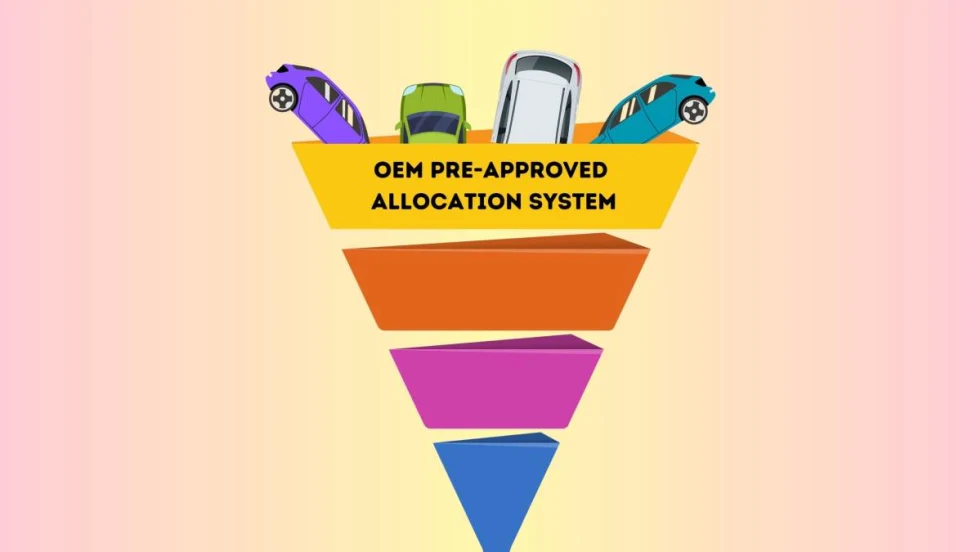
Scheduled Replacement Cycles Are Becoming a Distant Memory
The ongoing difficulty in sourcing replacement vehicles is forcing companies to extend the service lives of vehicles that are unable to be replaced, which, inevitably, increases unscheduled maintenance expenses.
Read More →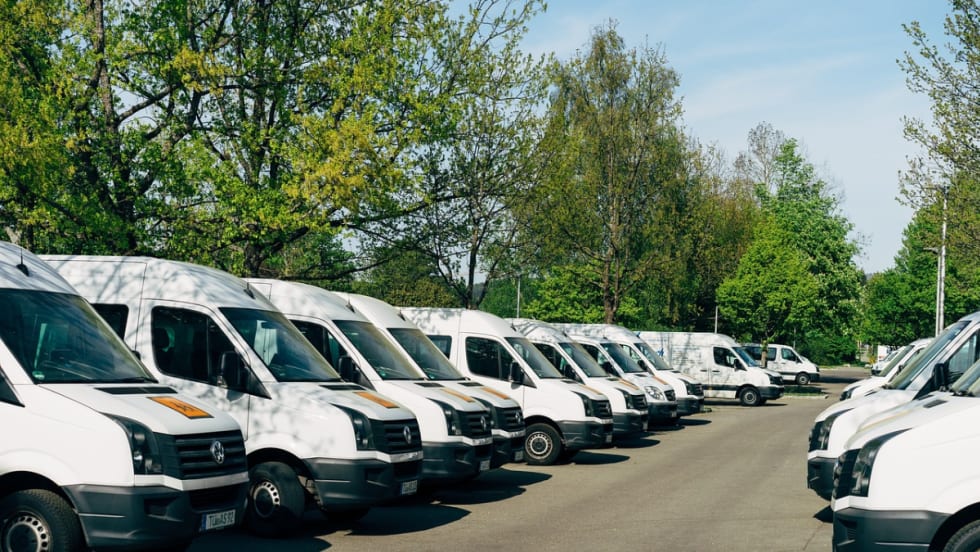
Fleet Simplification is the Antidote to Asset Variability
Fleet simplification identifies asset functions to uncover commonality among the equipment and assets. Simplification increases operational efficiency as end-users become accustomed to the controls, displays, and operation of less diverse units.
Read More →
The Dangers of Static Fleet Policies
A fleet policy is a living document, flexible enough to adapt to evolving business priorities, developing industry trends, and changing industry best practices and standards.
Read More →
Short-Term vs. Long-Term Cost Reductions
Corporate procurement staff are often driven by short-term, immediate cost reductions. However, a longer perspective to soft cost savings is critical because fixating on short-term results will hurt a company in the long run.
Read More →
Uptick in Unscheduled Maintenance Increasing Vehicle Downtime
Fleet data analysis can identify recurring downtime issues. It’s important to determine the root causes of downtime so procedures can be developed to minimize such problems.
Read More →
Eliminate Needless Curb Weight to Maximize ICE & EV Efficiencies
Vehicle weight relates directly to fuel economy. In today’s era of electrification, there is also a direct correlation between vehicle weight and battery range.
Read More →
Tech Dependence Risks Dumbing Down Fleet Manager Expertise
The line between creative thinking and problem solving and doing what the data indicates is thin. To lead in fleet management, you need to balance understanding the fundamentals and embracing what smart technology offers.
Read More →
Leverage the Synergy of Safe Driving to Achieve Sustainability and Cost Goals
Safe driving, emission reductions, and cost containment can all be achieved at the same time.
Read More →
The Playbook for Fleet Manager Success
There are many paths to success — most of them involve being flexible, open-minded, and willing to learn.
Read More →