





Related: Impounding a Fleet Vehicle as Physical Evidence in a Criminal Investigation
Cost Variables Influencing the Commercial Fleet Market
Overall improved business conditions opened pent up demand for replacement units, especially in the oil sector and construction, which in the prior several years had scaled back new-vehicle acquisitions due to stagnant growth.
June 4, 2019

New-vehicle acquisition costs are increasing, impacting fleet acquisition strategies as capital budgets remain tight.
Photo via gettyimages.com/stevanovicigor.
5 min to read
Calendar-year 2018 was a strong year for both retail and fleet sales. Total new-vehicle sales (retail and fleet) exceeded 17 million units for the fourth consecutive year. Commercial fleet sales were up 8.8% in CY-2018, compared to 1.4% in CY-2017.
While commercial fleet car sales were flat in 2018, fleet truck sales were up 10%, stimulated by strong business growth, in particular in construction, the oil sector, mining, and e-commerce final-mile delivery logistics. Larger GVW trucks sales (Class 3-8) were also strong due to higher freight volume and increased demand for shipped goods.
Overall improved business conditions opened pent up demand for replacement units, especially in the oil sector and construction, which in the prior several years had scaled back new-vehicle acquisitions due to stagnant growth. Today, fleet vehicle order volume remains strong in CY-2019 due to ongoing strong macro-economic business conditions.
One consequence to the strong demand for fleet trucks is that it has lengthened fleet order-to-delivery (OTD) lead times. The high order volume by fleets of trucks and vans has created a backlog at upfitters, which is delaying shipments. A tight labor market, especially for skilled labor, is also constraining upfitters who are looking to expand capacity.
In addition, vocational trucks are vulnerable to OTD delays because fleet orders are concentrated among a handful of models with limited secondary choices and options. A corollary issue is that the limited number of minivan models are a concern for fleets with Buy American acquisition policies.
Ongoing Trend to Higher Asset Acquisition Costs
New-vehicle acquisition costs are increasing, impacting fleet acquisition strategies as capital budgets remain tight. Acquisition costs are increasing due to added technology content, more expensive lightweight materials such as aluminum, and expensive safety content, especially Advance Driver Assistance Systems (ADAS).
Fleet managers have long requested that advanced safety systems be offered in lower trim level models found in fleets, which is occurring, but it is also driving up acquisition costs. In addition, commodity prices for raw materials needed to build vehicles have increased, which has put upward pressure on acquisition costs.
Tight Labor Market Impacting Vocational Fleets
The business environment is strong for most vocational fleets, such as HVAC, plumbing, construction, and landscaping. However, this strong business environment is creating a tight labor market. Tight labor market is worsening the shortage of drivers for vocational fleets. Drivers in vocational fleets are skilled workers, who work as HVAC experts, plumbers, construction workers, landscapers, etc.
There is a high demand for these workers who will gravitate to different companies or industries offering the best compensation offer. There is a high turnover of fleet drivers at vocational fleets — some companies experiencing turnovers of 80% or more during the course of a year.
Fleet Operating Cost Trending Upward
Fleet operating costs increased in CY-2018 for the first time in the past five years.
Upward pressure on fuel prices has been the No. 1 factor contributing to higher operating costs since fuel represents 60% of a fleet's total operating expenses. In addition, higher crude oil prices have also put upward price pressures on tire prices and plastic automotive components, resulting in higher replacement parts prices.
There is an ongoing shift by OEMs recommending more expensive but longer-lasting synthetic motor oils The proliferation of smaller displacement engines in fleet applications is a key reason OEMS are specifying synthetic motor oil, which provides better engine protection to maximize engine life.
Higher Labor Rates Increase Maintenance Costs
Labor rates have been increasing for the past several years due to the shortage of technicians especially at repair facilities operating in high-cost of living metro areas. The forecast is for labor rates to continue to increase at the rate of inflation.
The other forecast is that the ongoing shortage of qualified service technicians will accelerate as Baby Boomer technicians retire at a faster rate than those entering the field to replace them. There is pressure on shops in competitive markets to increase wages to attract the best talent to compete against dealerships who traditionally offer higher wages.
There is pressure on shops in competitive markets to increase wages to attract the best talent to compete against dealerships who traditionally offer higher wages. The pressure for higher labor rates is extending down to entry level tech positions. As a result, higher labor costs have increased the maintenance spend for routine repairs.
Vehicle complexity is requiring technicians have a higher skillset, especially to repair vehicles increasingly dependent on electronics and software. Independent shops are being required to make significant investments in diagnostic equipment to diagnose and repair malfunctions.
Higher Prices for Replacement Tires
Like-for-like replacement tire prices for passenger vehicles increased on aver-age 8% in CY-2018. A key reason for higher prices was due to the increased cost of raw materials, such as oil and rubber, used to manufacture tires. Higher commodity prices exert pressure on tire OEMs to raise prices to maintain margins as their production costs increase.
One factor putting downward pressure on fleet tire expenditures is the ongoing improvement in tire quality. Tire tread life has increased 10% in the past 10 years.
Increased Accident Repair Costs
Increased vehicle content is increasing accident repair costs because more parts are now involved. The trend toward lightweighting vehicles to make them more fuel efficient is making components more susceptible to additional damage because they have less ability to withstand impacts.
The proliferation of sensors, airbags, and additional structural support is adding thousands of dollars to repair costs. What in the past were simple components are now very complex. For instance, a side view mirror can now cost more than $1,000 to replace due to its additional technology and sensors. Increased labor costs are also adding to higher repair costs.
Let me know what you think.
Subscribe to Our Newsletter
More Blog Posts

Fleets Want Trust Restored with Suppliers
During this period of ongoing supply constraints, the trust that fleet managers had with OEMs, upfitters, and dealers has been strained. Fleet managers say they have had too many experiences over the past three years coping with erroneous information, adjusting to multiple price increases, and feeling betrayed by inadequate transparency from suppliers.
Read More →
Scheduled Replacement Cycles Are Becoming a Distant Memory
The ongoing difficulty in sourcing replacement vehicles is forcing companies to extend the service lives of vehicles that are unable to be replaced, which, inevitably, increases unscheduled maintenance expenses.
Read More →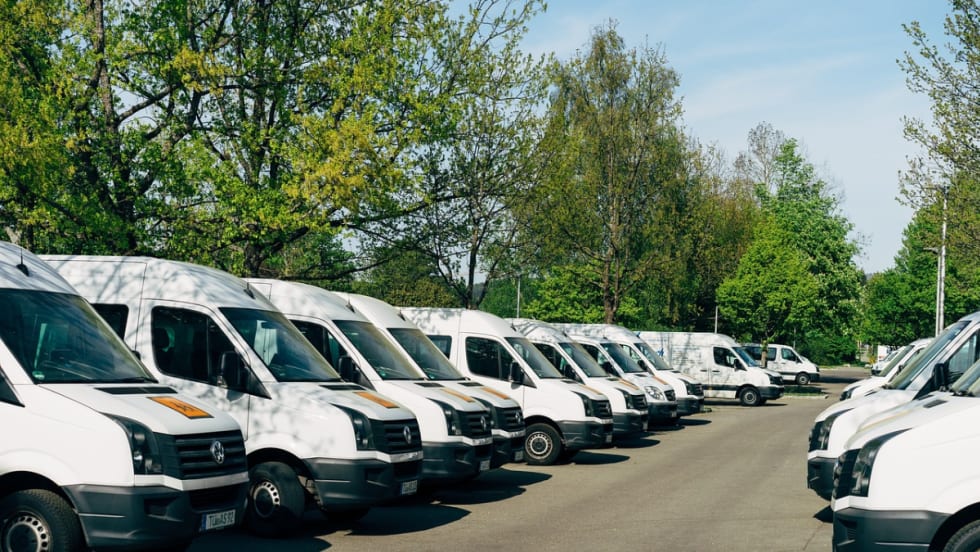
Fleet Simplification is the Antidote to Asset Variability
Fleet simplification identifies asset functions to uncover commonality among the equipment and assets. Simplification increases operational efficiency as end-users become accustomed to the controls, displays, and operation of less diverse units.
Read More →
The Dangers of Static Fleet Policies
A fleet policy is a living document, flexible enough to adapt to evolving business priorities, developing industry trends, and changing industry best practices and standards.
Read More →
Short-Term vs. Long-Term Cost Reductions
Corporate procurement staff are often driven by short-term, immediate cost reductions. However, a longer perspective to soft cost savings is critical because fixating on short-term results will hurt a company in the long run.
Read More →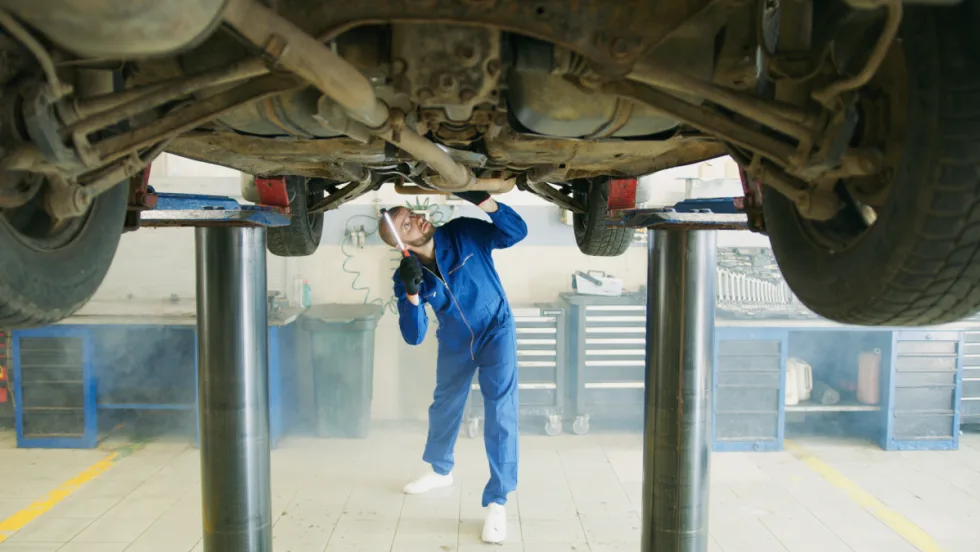
Uptick in Unscheduled Maintenance Increasing Vehicle Downtime
Fleet data analysis can identify recurring downtime issues. It’s important to determine the root causes of downtime so procedures can be developed to minimize such problems.
Read More →
Eliminate Needless Curb Weight to Maximize ICE & EV Efficiencies
Vehicle weight relates directly to fuel economy. In today’s era of electrification, there is also a direct correlation between vehicle weight and battery range.
Read More →
Tech Dependence Risks Dumbing Down Fleet Manager Expertise
The line between creative thinking and problem solving and doing what the data indicates is thin. To lead in fleet management, you need to balance understanding the fundamentals and embracing what smart technology offers.
Read More →
Leverage the Synergy of Safe Driving to Achieve Sustainability and Cost Goals
Safe driving, emission reductions, and cost containment can all be achieved at the same time.
Read More →
The Playbook for Fleet Manager Success
There are many paths to success — most of them involve being flexible, open-minded, and willing to learn.
Read More →