




Cost Control is Constrained Without Driver Buy-in
The fundamental requirements of your business necessitates minimum fleet equipment specifications that, as a result, pre-define the expense parameters from both a fixed and operating cost perspective. If you acquire vehicle assets that best fulfill your fleet application, then any supplemental cost reduction will only be based on incremental refinements The best way to achieve additional cost reduction is by modifying driver behavior.

Fleet cost-reduction programs typically focus on the asset; however, there’s a limit to how much a fleet manager can modify truck specifications without impacting the fleet mission. You can’t change the fundamental requirements of your business. This necessitates minimum fleet equipment specifications that, as a result, pre-define the expense parameters for your assets from both a fixed and operating cost perspective. In addition, if you acquire vehicle assets that best fulfill your fleet application, then any supplemental cost reduction will only be based on incremental refinements, in essence, chasing pennies to further reduce costs.
If you want to instead save “dollars” instead of “pennies,” the best way to achieve additional cost reduction is by modifying driver behavior. This is critical, but often overlooked, since attention is typically focused on the asset. But think about it. The way employees drive company trucks and vans can improve (or decrease) fuel economy; extend (or decrease) the life of wear items, such as tires, brakes, etc.; decrease (or increase) preventable accidents, and maintain (or degrade) the overall condition of a vehicle, which, ultimately, has a direct influence on resale value.
Another misapplication of cost control resources is that all too often managers attempt to control fleet costs on the backend. The best time to control cost is before it occurs and the way to do this is through establishing policies and procedures that inhibit unnecessary spending and establish the parameters as to how drivers operate and maintain an asset. By establishing fleet policies up-front for expense control and making a concerted effort to ensure these policies are uppermost in the minds of drivers, will reap substantial cost savings. Fleet policy institutionalizes the mechanisms to curb money-wasting behaviors.
Training Drivers to Be Better Drivers
The best opportunity to modify driver behavior is by training drivers to more efficiently perform their job and operate their vehicles. One popular technique is called eco-driving. Major fleets, such as Wal-Mart, UPS, and FedEx have implemented eco-driving programs to modify driver behavior. In essence, there are five eco-driving practices. They include:
Minimized idling.
Gentle acceleration.
Maintain a steady speed.
Easing off the accelerator early before braking.
Judicious use of A/C.
For instance, if you change the driving behavior of your employees, you have a direct impact on the amount of fuel consumed. Even small increases in mpg can result in substantial savings when extrapolated across the entire fleet. For example, aggressive driving (such as speeding, rapid acceleration, and braking) can lower fuel economy by 33 percent at highway speeds and by 5 percent on city streets. Fleet tests using eco-driving techniques have demonstrated that a single truck, averaging 35,000 miles per year, can reduce fuel consumption by more than 1,200 gallons.
Besides decreasing fuel consumption, eco-driving also helps to lower other operating costs by extending the life of wear items, such as tires and brakes. In fact, eco-driving practices, by default, make employees safer drivers by discouraging aggressive driving and speeding. Many fleets correctly view eco-driving and safe driving as being intertwined.
When striving to modify driver behavior, it isn’t restricted to driving. Similar to turning lights off at home in unoccupied rooms, drivers need to likewise become more energy conscious as to how they operate their vehicles. A good example is making drivers sensitive to unnecessary idling, which needlessly consumes fuels and adds engine wear and tear. Another energy conscious mindset is monitoring and maintaining manufacturer-recommended tire inflation. By being diligent about maintaining the proper tire pressure, drivers can improve fuel economy by up to 3.3 percent.
A Never-Ending Journey
Modifying driver behavior is not a one-time effort; it is an ongoing, never-ending process. The overwhelming majority of drivers want to do the right thing, but most do not see cost reduction as part of their job responsibilities. To squeeze the maximum cost reduction from your fleet, you must turn drivers into stakeholders, who view themselves as having a vested interest in a cost-reduction program. Successful cost control is a group effort.
Let me know what you think.
More Blog Posts

Fleets Want Trust Restored with Suppliers
During this period of ongoing supply constraints, the trust that fleet managers had with OEMs, upfitters, and dealers has been strained. Fleet managers say they have had too many experiences over the past three years coping with erroneous information, adjusting to multiple price increases, and feeling betrayed by inadequate transparency from suppliers.
Read More →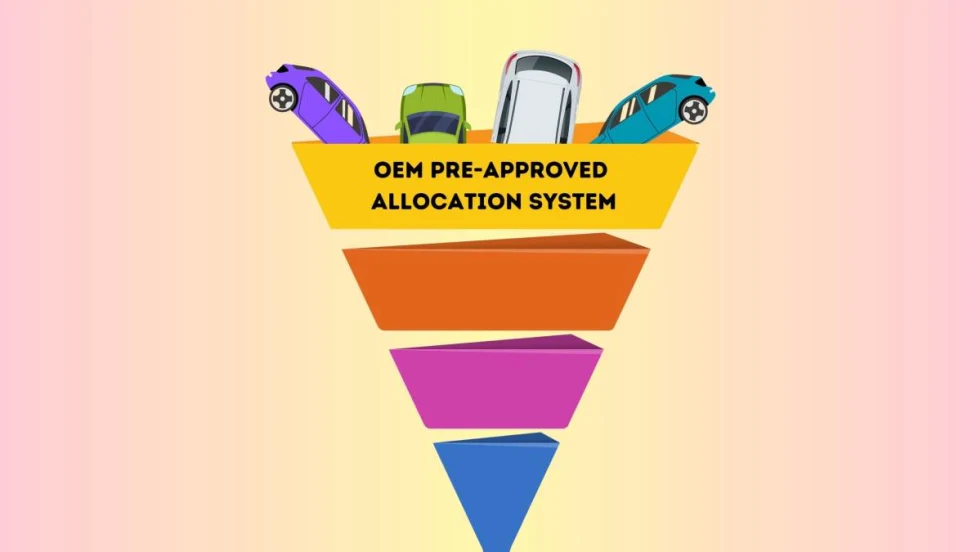
Scheduled Replacement Cycles Are Becoming a Distant Memory
The ongoing difficulty in sourcing replacement vehicles is forcing companies to extend the service lives of vehicles that are unable to be replaced, which, inevitably, increases unscheduled maintenance expenses.
Read More →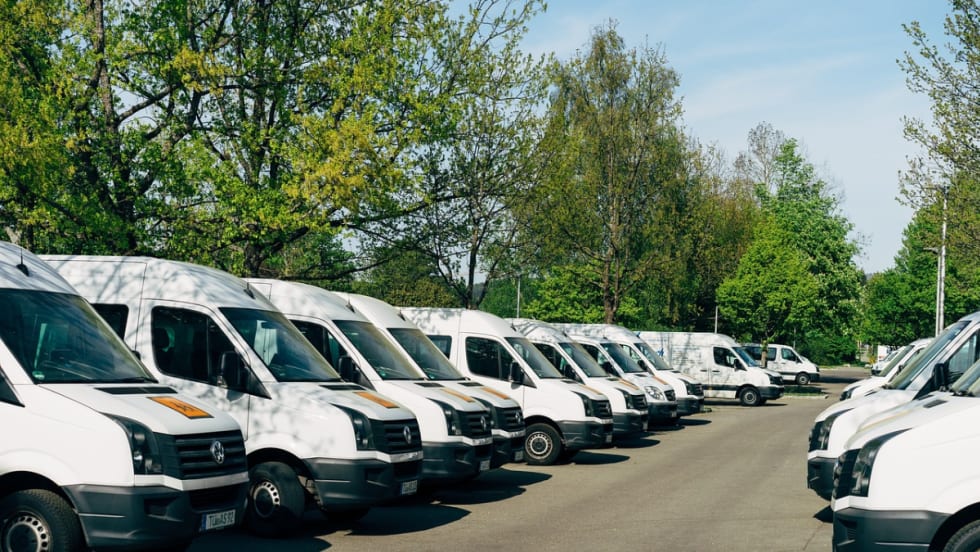
Fleet Simplification is the Antidote to Asset Variability
Fleet simplification identifies asset functions to uncover commonality among the equipment and assets. Simplification increases operational efficiency as end-users become accustomed to the controls, displays, and operation of less diverse units.
Read More →
The Dangers of Static Fleet Policies
A fleet policy is a living document, flexible enough to adapt to evolving business priorities, developing industry trends, and changing industry best practices and standards.
Read More →
Short-Term vs. Long-Term Cost Reductions
Corporate procurement staff are often driven by short-term, immediate cost reductions. However, a longer perspective to soft cost savings is critical because fixating on short-term results will hurt a company in the long run.
Read More →
Uptick in Unscheduled Maintenance Increasing Vehicle Downtime
Fleet data analysis can identify recurring downtime issues. It’s important to determine the root causes of downtime so procedures can be developed to minimize such problems.
Read More →
Eliminate Needless Curb Weight to Maximize ICE & EV Efficiencies
Vehicle weight relates directly to fuel economy. In today’s era of electrification, there is also a direct correlation between vehicle weight and battery range.
Read More →
Tech Dependence Risks Dumbing Down Fleet Manager Expertise
The line between creative thinking and problem solving and doing what the data indicates is thin. To lead in fleet management, you need to balance understanding the fundamentals and embracing what smart technology offers.
Read More →
Leverage the Synergy of Safe Driving to Achieve Sustainability and Cost Goals
Safe driving, emission reductions, and cost containment can all be achieved at the same time.
Read More →
The Playbook for Fleet Manager Success
There are many paths to success — most of them involve being flexible, open-minded, and willing to learn.
Read More →