





Related: The Evolution of Fleet Data into a Macro-Business Intelligence Tool
Connectivity Disruptions to Cloud Services Emerge as a Potential Fleet Concern
As OEMs design and manufacture their next-gen connected vehicles, there are concerns about disruptions to connectivity that potentially could prevent access to the cloud with the possibility of impacting some vehicle functions.
December 30, 2020
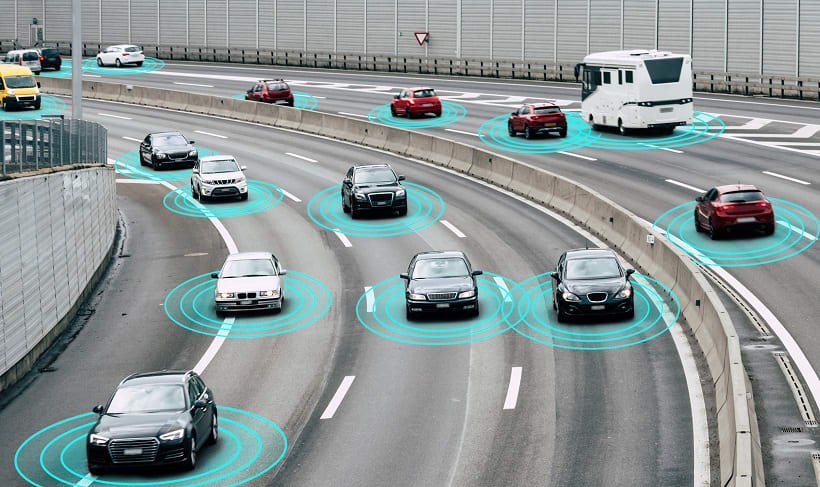
Photo: Gettyimages.com/IGphotography
4 min to read
By 2025, it is forecast by IHS Markit that more than 500 million vehicles globally will be OEM-equipped with operational connectivity to the cloud (Internet), where vehicle data and some vehicle-related programs will be stored in remote databases instead of “locally” onboard the vehicles. As OEMs design and manufacture their next-gen connected vehicles, there are concerns about disruptions to connectivity that potentially could prevent access to the cloud with the possibility of impacting some vehicle functions.
A case in point occurred on Sept. 23, 2020, when some Tesla owners around the world experienced a network outage disrupting connectivity of its company’s mobile app and its customer services website, which impacted their ability to unlock their car doors.
This was first documented on the website www.DownDetector.com, which provides real-time status and outage detection and monitoring of service-provider networks in 41 countries around the world. On Sept. 23, it received hundreds of reports from Tesla owners reporting the network outage and inability to log-in to their mobile app. This incident was also reported by the website www.electrek.co, which reported that some Tesla owners were unable to unlock their cars using their mobile app.
For example, owners of the Model 3 and Model Y do not receive a key fob and instead uses a mobile app to unlock their vehicles. Owners get a backup keycard they can use in place of the company’s mobile app, but for those who didn’t carry the card with them on Sept. 23, they found themselves unable to unlock their vehicles. Shorter outages were reported by Tesla owners on Aug. 23, 2020, and Nov. 13, 2020, primarily resulting in the inability to log-in to the mobile app. As vehicles become more dependent on services that are running in the cloud, rather than running locally onboard the vehicle, the question is whether there is the potential for future increases of connectivity disruptions.
FCC Proposal Creates Fleet Safety Concerns
Vehicle-to-vehicle (V2V), vehicle-to-infrastructure (V2I), and vehicle-to-pedestrian (V2P) technologies, collectively known as vehicle-to-everything (V2X) technologies, allow vehicles to communicate with other vehicles, infrastructure, and pedestrians/bicyclists to prevent traffic crashes, according to the Intelligent Transportation Society of America (ITS America). V2X technologies provide drivers with safety alerts so that drivers can take action to avoid a crash or reduce the severity of injuries or damage to vehicles and infrastructure.
By providing drivers with basic safety messages at 10 times a second, NHTSA estimates that V2X technologies could reduce the number and severity of vehicle crashes by up to 80%. To accomplish this, V2X needs a dedicated space on the radio spectrum to ensure uninterrupted high-speed communication of these signals.
In 1999, the Federal Communications Commission (FCC) allocated 75 megahertz of the 5.9‑gigahertz band for Dedicated Short-Range Communications (DSRC), which is used in V2X communications between vehicles and infrastructure. Proponents of DSRC say it will help reduce road deaths by more than half. To illustrate this, a driver requires two or three seconds to respond to a roadway hazard, while in two to three seconds DSRC can send 20 or 30 safety messages between vehicles.
But there have been few commercial deployments of DSRC technology in the past 20 years. Critics argue these airwaves are being underutilized and should be expanded to include growth areas such as high-speed Wi-Fi.
On Nov. 18, 2020, the FCC, said it will seek to reallocate 45 MHz of the 75 MHz in the 5.9 GHz band that’s currently reserved for V2X for use by the wireless telecommunications industry. Automakers oppose the split on safety grounds, while major cable, telecom, and content companies say the spectrum is essential to support growing Wi-Fi use. The U.S. DOT indicates that the spectrum reallocation proposed by the FCC will cause significant interference between wireless devices and the remaining V2X channels, threatening the reliability of the entire V2X band.
The FCC is also proposing the use of an entirely different automotive communications technology called Cellular Vehicle-to-Everything, or C-V2X. The FCC says C-V2X is less prone to interference “and far more likely to save lives than the long-stalled DSRC standard.” The U.S. DOT said DSRC is proven to a safe technology while C-V2X is not yet fully tested. DOT warned the new technology might be susceptible to interference from nearby Wi-Fi devices, which could cause accidents. According to the ITS America and others, these changes could dramatically change the course of vehicle safety using V2X technology.
In turn, U.S. DOT research shows that currently there is not sufficient evidence to show that V2X technologies could function without interference. According to DSRC proponents, V2X technologies are designed to function in the full 75 MHz of the dedicated range and cannot compress to function in less, which means that system efficiencies could be compromised. If the FCC agrees to preserve those airwaves for vehicle safety, as originally intended, a coalition of auto companies say they will install at least five million vehicles equipped with V2X technologies over the next five years.
What’s Next?
As automotive technologies advance, new problems will surely emerge. Just 10 year ago, who would have thought autos could be vulnerable to connectivity disruptions to the cloud or that we would be wringing our hands over having a smaller slice of the radio spectrum?
Subscribe to Our Newsletter
More Blog Posts
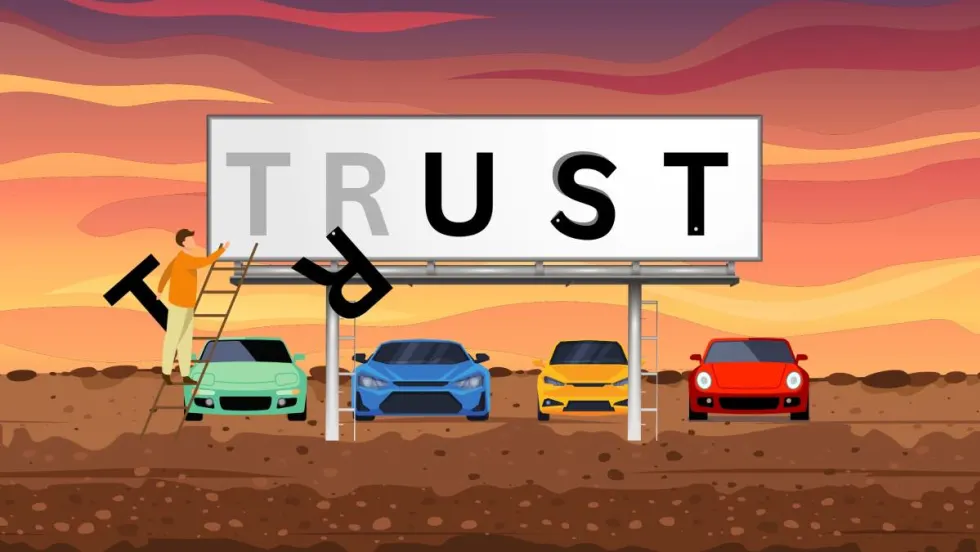
Fleets Want Trust Restored with Suppliers
During this period of ongoing supply constraints, the trust that fleet managers had with OEMs, upfitters, and dealers has been strained. Fleet managers say they have had too many experiences over the past three years coping with erroneous information, adjusting to multiple price increases, and feeling betrayed by inadequate transparency from suppliers.
Read More →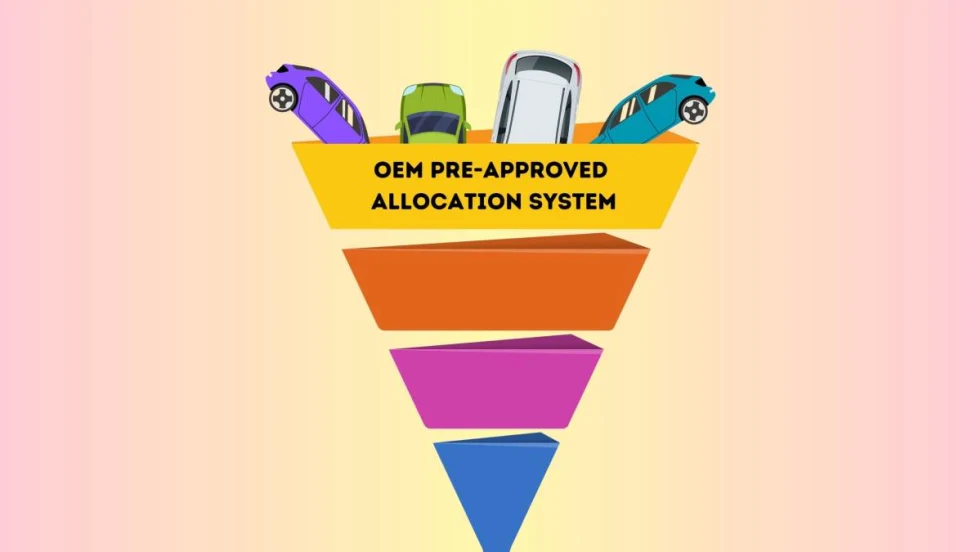
Scheduled Replacement Cycles Are Becoming a Distant Memory
The ongoing difficulty in sourcing replacement vehicles is forcing companies to extend the service lives of vehicles that are unable to be replaced, which, inevitably, increases unscheduled maintenance expenses.
Read More →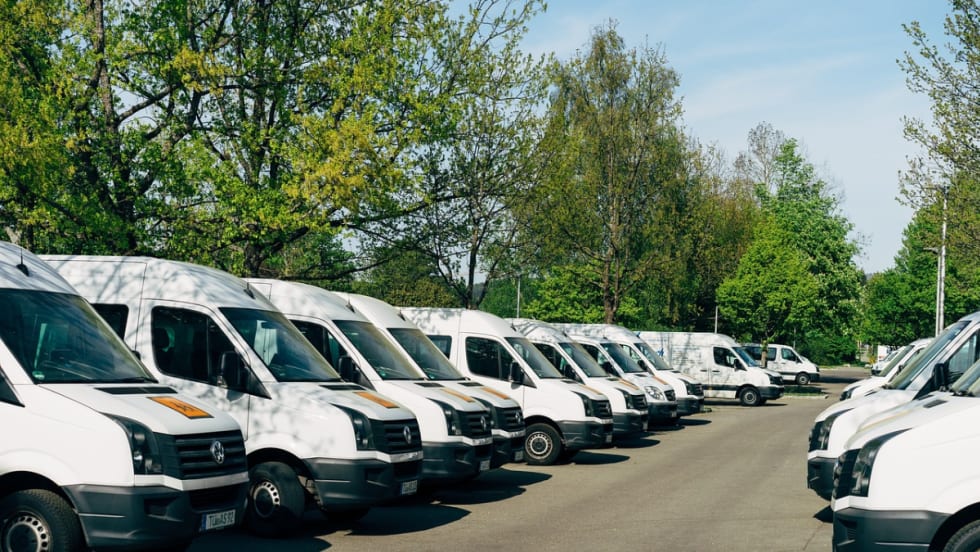
Fleet Simplification is the Antidote to Asset Variability
Fleet simplification identifies asset functions to uncover commonality among the equipment and assets. Simplification increases operational efficiency as end-users become accustomed to the controls, displays, and operation of less diverse units.
Read More →
The Dangers of Static Fleet Policies
A fleet policy is a living document, flexible enough to adapt to evolving business priorities, developing industry trends, and changing industry best practices and standards.
Read More →
Short-Term vs. Long-Term Cost Reductions
Corporate procurement staff are often driven by short-term, immediate cost reductions. However, a longer perspective to soft cost savings is critical because fixating on short-term results will hurt a company in the long run.
Read More →
Uptick in Unscheduled Maintenance Increasing Vehicle Downtime
Fleet data analysis can identify recurring downtime issues. It’s important to determine the root causes of downtime so procedures can be developed to minimize such problems.
Read More →
Eliminate Needless Curb Weight to Maximize ICE & EV Efficiencies
Vehicle weight relates directly to fuel economy. In today’s era of electrification, there is also a direct correlation between vehicle weight and battery range.
Read More →
Tech Dependence Risks Dumbing Down Fleet Manager Expertise
The line between creative thinking and problem solving and doing what the data indicates is thin. To lead in fleet management, you need to balance understanding the fundamentals and embracing what smart technology offers.
Read More →
Leverage the Synergy of Safe Driving to Achieve Sustainability and Cost Goals
Safe driving, emission reductions, and cost containment can all be achieved at the same time.
Read More →
The Playbook for Fleet Manager Success
There are many paths to success — most of them involve being flexible, open-minded, and willing to learn.
Read More →