




Common Misunderstanding about the European Fleet Market
Non-European fleet managers of multinationals often attempt to extrapolate their local fleet norms to other global fleet markets, with the most common misunderstanding occurring with the European fleet markets, which, cumulatively, is the world’s largest fleet market. Here are some examples of differences that can lead to misunderstandings:

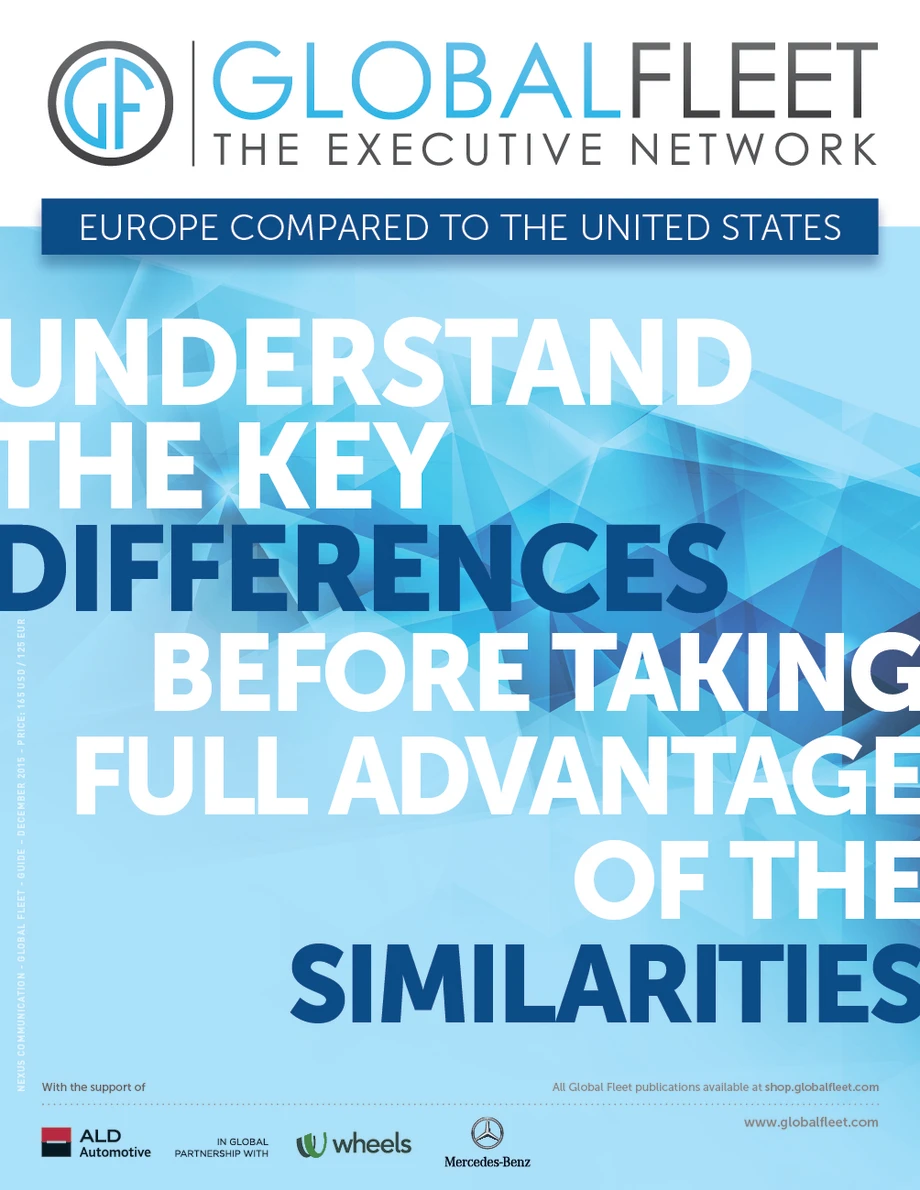
Photo: Nexus Communication
Non-European fleet managers of multinationals often attempt to extrapolate their local fleet norms to other global fleet markets, with the most common misunderstanding occurring with the European fleet markets, which, cumulatively, is the world’s largest fleet market.
Here are some examples of differences that can lead to misunderstandings:
One of the biggest misunderstandings is the assumption that there is a single European market. The reality is that, in the Europe, there are 50 different country markets, speaking 23 different languages, with each market having unique taxation regimes, vehicle funding preferences, sustainability requirements, and cultural favoritisms toward OEM brands.
Although perk cars can be found elsewhere in the world, benefit cars in Europe are more widespread, and are typically part of an employee’s compensation package.
While privacy laws are strong in North America and Australasia, they are the strongest in Europe. From a fleet perspective, this manifests itself when a company is collecting telematics data, which is often a contentious issue with European HR departments, work councils, and trade unions.
Pan-European negotiations often require individual country-by-country negotiations due to differences in country pricing, taxation, and product/services availability.
In Europe, taxation is rapidly moving to penalize vehicles with high CO2 emissions, which does not occur in the majority of the world. Typically, the European carbon tax is split between the company and the driver.
The majority of the world uses the metric system (meters, liters, and grams), while the U.S., the second largest fleet market, uses the Imperial system of weights and measurements (miles, gallons, and pounds). Many Americans have difficulty making top-of-mind comparisons from one system to the other.
These examples are a fraction of the many differences between the American and European fleet markets. American fleet managers need to take time to learn about the European fleet market, in addition to talking with your European counterparts, it is also important, perhaps crucial, to talk to your European human resources/compensation managers, along with European fleet services providers and vehicle OEMs.
Photo: Nexus Communication
If you want an overview of key differences between the world’s two largest fleet markets, an excellent 60-page publication has been developed by Nexus Communication entitled “Guide to Fleet Management: Europe Compared to the United Sates.” To order a copy of the publication, visit shop.nexuscommunication.be and scroll to the bottom of the page.
Another excellent opportunity to expand your knowledge of the regional fleet markets is to attend the fourth annual 2016 Global Fleet Conference, which will be held June 6-8, 2016, in Brussels, Belgium. After selling out three consecutive years, it’s definitely not too early to pencil in the date for the 2016 Global Fleet Conference.
To view testimonials from 2015 Global Fleet Conference in Miami, go to http://www.globalfleetconference.com/Page/Testimonials.aspx
Let me know what you think.
More Blog Posts

Fleets Want Trust Restored with Suppliers
During this period of ongoing supply constraints, the trust that fleet managers had with OEMs, upfitters, and dealers has been strained. Fleet managers say they have had too many experiences over the past three years coping with erroneous information, adjusting to multiple price increases, and feeling betrayed by inadequate transparency from suppliers.
Read More →
Scheduled Replacement Cycles Are Becoming a Distant Memory
The ongoing difficulty in sourcing replacement vehicles is forcing companies to extend the service lives of vehicles that are unable to be replaced, which, inevitably, increases unscheduled maintenance expenses.
Read More →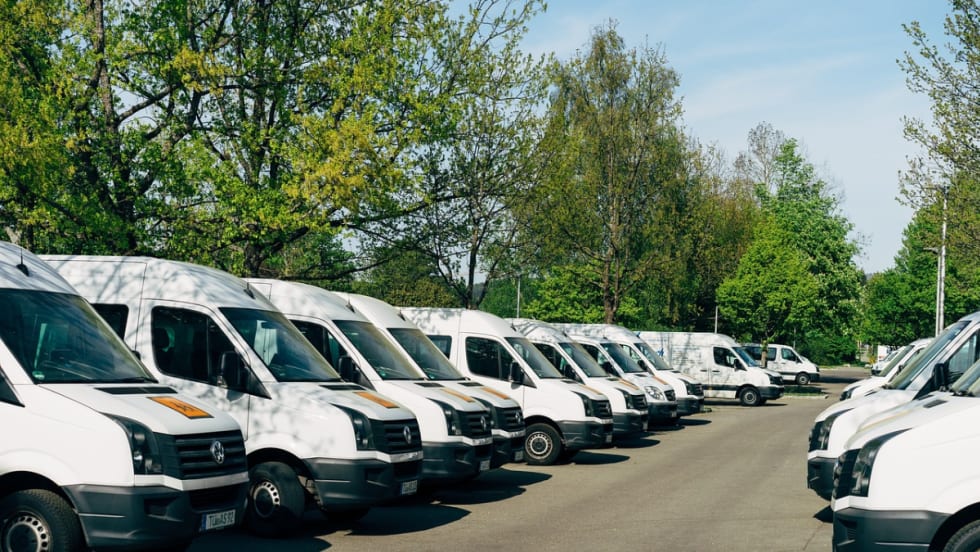
Fleet Simplification is the Antidote to Asset Variability
Fleet simplification identifies asset functions to uncover commonality among the equipment and assets. Simplification increases operational efficiency as end-users become accustomed to the controls, displays, and operation of less diverse units.
Read More →
The Dangers of Static Fleet Policies
A fleet policy is a living document, flexible enough to adapt to evolving business priorities, developing industry trends, and changing industry best practices and standards.
Read More →
Short-Term vs. Long-Term Cost Reductions
Corporate procurement staff are often driven by short-term, immediate cost reductions. However, a longer perspective to soft cost savings is critical because fixating on short-term results will hurt a company in the long run.
Read More →
Uptick in Unscheduled Maintenance Increasing Vehicle Downtime
Fleet data analysis can identify recurring downtime issues. It’s important to determine the root causes of downtime so procedures can be developed to minimize such problems.
Read More →
Eliminate Needless Curb Weight to Maximize ICE & EV Efficiencies
Vehicle weight relates directly to fuel economy. In today’s era of electrification, there is also a direct correlation between vehicle weight and battery range.
Read More →
Tech Dependence Risks Dumbing Down Fleet Manager Expertise
The line between creative thinking and problem solving and doing what the data indicates is thin. To lead in fleet management, you need to balance understanding the fundamentals and embracing what smart technology offers.
Read More →
Leverage the Synergy of Safe Driving to Achieve Sustainability and Cost Goals
Safe driving, emission reductions, and cost containment can all be achieved at the same time.
Read More →
The Playbook for Fleet Manager Success
There are many paths to success — most of them involve being flexible, open-minded, and willing to learn.
Read More →