




Are Ride Sharing & Car Sharing New Fleet Management Options?
The role of ride-sharing and car sharing services in fleet operations, is a growing topic of conversation in Europe and China. With this as a backdrop, what future role will car sharing services have in U.S. fleet operations?

I recently spoke at the China Road Transport Association annual conference in Beijing. While there, I attended dinners with many Chinese fleet dignitaries. One noteworthy aside about these dinners was that all of my transportation within Beijing was done via various “Uber-like” ride sharing services using a smartphone app to set up pick-ups and payments. This was my first exposure to a ride sharing service and my reaction was very favorable. Our dinner party group was promptly picked up in clean cars, driven by courteous and knowledgeable drivers, who efficiently drove us to our destinations.
There are a number of ride-sharing and car-sharing companies operating in China and a hot topic of industry conversation is their future role in the Chinese fleet market. These broader, “mobility management” conversations are not only occurring in China, but also in Europe, where fleet professionals are asking: What is the next evolution of fleet management? A growing number of European fleet managers and service providers believe the concept of mobility management will radically transform traditional fleet management. My recent, favorable experience using ride sharing and my past conversations with European counterparts about mobility management prompted me to wonder about the future of ride-sharing and car-sharing services in the U.S. and what role they will play in fleet management at both public sector and corporate fleets.
Corporate & Government Fleet Inroads
Currently, there are 24 or so ride-sharing and car-sharing programs in the U.S. operating under a variety of business models, with the majority focused on the consumer market, (For the balance of this blog, I will generically refer to these services as car-sharing programs for the sake of brevity.)
Many car-sharing business models are geared to the consumer market. But more companies want to shift to the corporate market. A few car-sharing companies already have relationships with corporate customers, where they “park” vehicles on a corporate campus. Car-sharing companies have made initial inroads by promoting the financial benefits of switching from an owned fleet to a shared fleet, which has proven attractive to several municipalities. For instance, Washington, D.C.; Sacramento, Calif.; and Vancouver, Canada, have already implemented car-sharing programs. Examples of early adopters among corporate fleets are Verizon, Google Shopping Express, and iPhone repair service provider iCracked.
Several fleet management companies (FMCs) are looking to partner with car-sharing companies in response to inquiries by fleet customers, so long as the business model is cost effective. There are concerns that car sharing butts heads with “cultural perceptions” by employees who are used to “ownership” of the vehicle. Also, some local car rental companies are very good at providing vehicles on demand to work site locations.
Below are key objections that will need to be overcome for car sharing to make greater inroads into corporate fleets:
Manufacturer fleet incentive programs are often based on reaching tiered volume purchasing levels. A large-scale car-sharing program would decrease a company’s fleet volume and its eligibility for additional incentive monies.
A company-provided vehicle is a recruiting tool and competitive edge in hiring top-caliber salespeople, technicians, and managers. Prospective employees view a company vehicle as an equivalent benefit to health care coverage and pension benefits.
Most fleets provide personal-use privileges, which are not applicable with car sharing. Many younger drivers can’t afford a vehicle and rely on the company car as a substitute personal vehicle.
Employees may be interested in the benefit of buying the vehicle when its service life is over. This perk is eliminated with car sharing and can create an employee perception that a perceived fringe benefit has been eliminated. Conversely, in a strong used-vehicle market, a company can generate additional revenues from the resale of a company vehicle, which goes straight to the company’s bottom line. This revenue source, albeit unpredictable, would be lost using a car-sharing program.
Concern about liability exposure.
Using a car-sharing vehicle would eliminate the ability to advertise services on the exterior of a company vehicle.
Daily rental companies are viewed as more convenient and more cost-effective than car-sharing services.
Looking Into the Crystal Ball
Initial results show that car sharing tends to work best on a corporate campus, at a university, or municipality when employed as a pool car substitute. In addition, car sharing seems to have greater appeal to a younger demographics of drivers. But, in terms of fleet management, car sharing allows for greater utilization of the vehicle, in contrast to pool cars, which are historically underutilized.
One interesting, and promising, tactic is to tie car sharing with achieving corporate sustainability initiatives. Carsharing also appeals to industries, which require quick spikes in employee headcount triggered by new product introductions.
I anticipate, over time, car sharing will become one of the component options of fleet management, where companies will have the option to either offer company-provided vehicles, a reimbursement program, or car sharing services, or, most likely, all three, to meet the needs of its different driver populations.
Let me know what you think.
More Blog Posts

Fleets Want Trust Restored with Suppliers
During this period of ongoing supply constraints, the trust that fleet managers had with OEMs, upfitters, and dealers has been strained. Fleet managers say they have had too many experiences over the past three years coping with erroneous information, adjusting to multiple price increases, and feeling betrayed by inadequate transparency from suppliers.
Read More →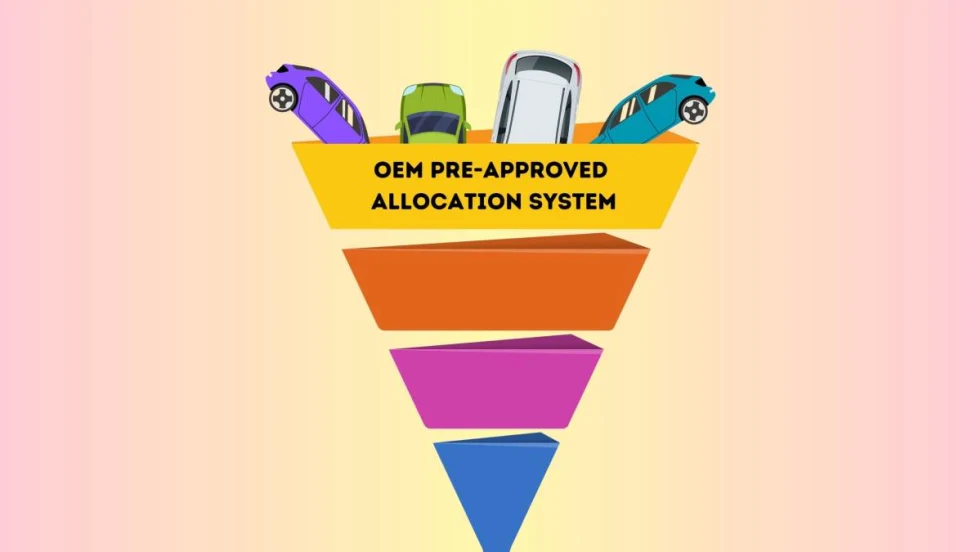
Scheduled Replacement Cycles Are Becoming a Distant Memory
The ongoing difficulty in sourcing replacement vehicles is forcing companies to extend the service lives of vehicles that are unable to be replaced, which, inevitably, increases unscheduled maintenance expenses.
Read More →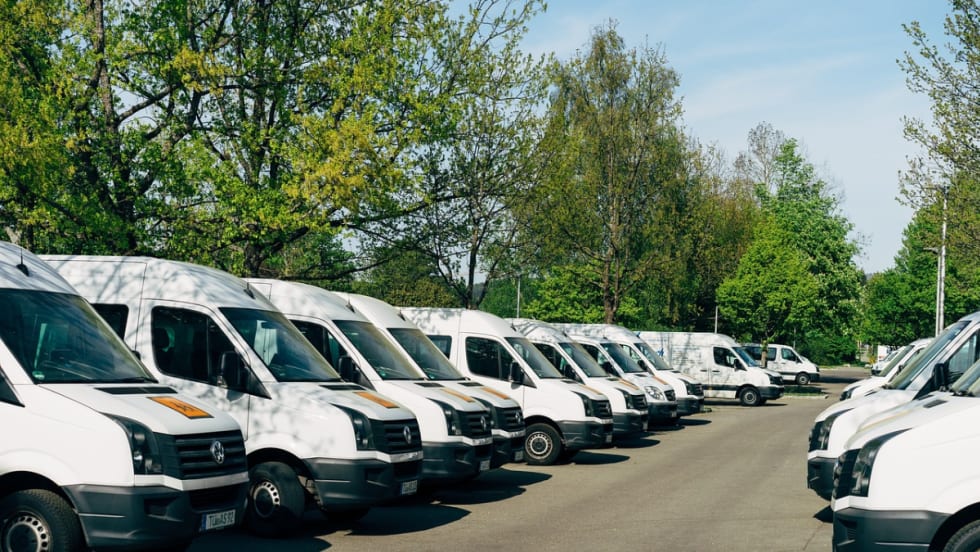
Fleet Simplification is the Antidote to Asset Variability
Fleet simplification identifies asset functions to uncover commonality among the equipment and assets. Simplification increases operational efficiency as end-users become accustomed to the controls, displays, and operation of less diverse units.
Read More →
The Dangers of Static Fleet Policies
A fleet policy is a living document, flexible enough to adapt to evolving business priorities, developing industry trends, and changing industry best practices and standards.
Read More →
Short-Term vs. Long-Term Cost Reductions
Corporate procurement staff are often driven by short-term, immediate cost reductions. However, a longer perspective to soft cost savings is critical because fixating on short-term results will hurt a company in the long run.
Read More →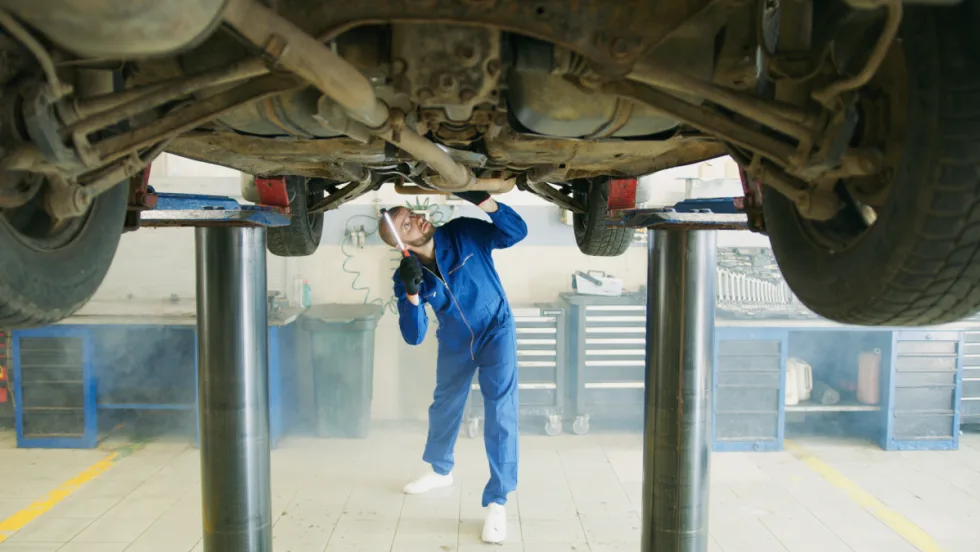
Uptick in Unscheduled Maintenance Increasing Vehicle Downtime
Fleet data analysis can identify recurring downtime issues. It’s important to determine the root causes of downtime so procedures can be developed to minimize such problems.
Read More →
Eliminate Needless Curb Weight to Maximize ICE & EV Efficiencies
Vehicle weight relates directly to fuel economy. In today’s era of electrification, there is also a direct correlation between vehicle weight and battery range.
Read More →
Tech Dependence Risks Dumbing Down Fleet Manager Expertise
The line between creative thinking and problem solving and doing what the data indicates is thin. To lead in fleet management, you need to balance understanding the fundamentals and embracing what smart technology offers.
Read More →
Leverage the Synergy of Safe Driving to Achieve Sustainability and Cost Goals
Safe driving, emission reductions, and cost containment can all be achieved at the same time.
Read More →
The Playbook for Fleet Manager Success
There are many paths to success — most of them involve being flexible, open-minded, and willing to learn.
Read More →