




Are Red-Light Cameras Safety Devices or Cash Machines?
On May 30, 2001, the San Diego Police Department stopped mailing traffic tickets to motorists for running red lights based on photos taken by cameras at 19 intersections in the city.
The reason was that the system's operator was alleged to have made unreported modifications to the system that increased the likelihood of getting a ticket. In particular, the San Diego Police Department discovered that the contractor's employees had moved underground electromagnetic sensors in three intersections about a year ago, but failed to adjust the internal mechanisms of the camera. This affected speed and location calculations that police use in court as evidence against motorists who challenge red-light running citations. The counter-argument by the city and the system's contractor was that the sensors were only moved 10 inches and that the discrepancy was not enough to wrongly ticket someone. However, according to the office of U.S. House of Representatives Majority Leader Dick Armey (R-TX), it has posted 23 pages of documents (www.freedom.gov) that indicate a preference by contractors and cities to place cameras at intersections with short-duration yellow lights and, in the case of San Diego, two intersections allegedly had their yellow-light times reduced before the devices were installed, which increased the likelihood of running a red light. In addition to generating revenue for San Diego, the contractor also gets a cut -- $70 for each ticket paid. The fine for running a red light in San Diego is $271. In San Diego, the 19-camera program generated $30 million in 18 months. Critics, such as Congressman Armey, argue that red-light cameras "provide a perverse disincentive for local jurisdictions to fix problem intersections. It's hard to fix a problem that brings in millions in revenue." As these devices begin to generate significant cash flow for municipalities, there is movement to increase fines. For instance, Montgomery County, MD, has issued 54,000 camera citations since 1999 and it now wants to raise the fine to $250 from $75. In the San Diego lawsuit, city attorney's office argued that the intersection cameras are designed to catch only flagrant violators. The red-light cameras are programmed to wait -- usually two- or three-tenths of a second after a light has turned red -- before photographing a vehicle to eliminate borderline violations. However, in Beaverton, OR, which also employs red-light cameras, KOIN-TV on Feb. 14, 2001, found that the duration of yellow lights was shorter at intersections with red-light cameras than at similar intersections without cameras. When similar allegations were raised in Mesa, AZ, the city increased yellow-light times by a second and red-light running tickets dropped by 50 percent. Once this occurred, the camera went from a money-maker to a $10,000 money-loser. Now there is a proposal to disconnect the camera. Red-light cameras are also employed in Australia, where a study concluded that there is an increase in rear-end collisions in a camera-controlled intersection due to panic stops by motorists fearful of being ticketed. In the U.S., there are allegations that decreased yellow-light times are also contributing to the increase in rear-end collisions at these intersections. Nonetheless, statistics show that intersection cameras are effective in decreasing red-light running violations, which, on average, have decreased by 40 to 60 percent. In fact, some jurisdictions that cannot afford the cameras have installed decoy cameras to reduce red-light running. Despite this, two-thirds of red-light runners escape penalties because most of the photographs don't capture an identifiable shot of the driver and the license plate. Contributing to this low conviction rate is that some scofflaw drivers are covering their license plates with polarized plastic covers to reflect the strobe of the intersection camera to overexpose the film. Others are using a spray to shield their license plates with a transparent tint to produce the same effects as the polarized plastic covers. A Decisive Majority Support Red-Light Cameras There are 60 cities in Arizona, California, Colorado, Delaware, Georgia, Hawaii, Illinois, Maryland, New York, North Carolina, Virginia, and Washington permit red-light camera enforcement, along with the District of Columbia. A decisive 65 percent of Americans want their state legislatures to authorize the use of red-light cameras, according to a 1999 Louis Harris poll. However, the expansion of red-light cameras is not a foregone certainly. On May 4, 2001, the Texas House of Representatives voted down a bill that would have allowed Texas cities to install intersection cameras. Public support may wane if the integrity of intersection cameras is brought into question. Also, organizations such as the ACLU are voicing concern about privacy issues and the potential of "mission creep," which may next entail citing motorists for seat belt or speeding violations based on photos taken by these cameras. Let me know what you think.
More Blog Posts

Fleets Want Trust Restored with Suppliers
During this period of ongoing supply constraints, the trust that fleet managers had with OEMs, upfitters, and dealers has been strained. Fleet managers say they have had too many experiences over the past three years coping with erroneous information, adjusting to multiple price increases, and feeling betrayed by inadequate transparency from suppliers.
Read More →
Scheduled Replacement Cycles Are Becoming a Distant Memory
The ongoing difficulty in sourcing replacement vehicles is forcing companies to extend the service lives of vehicles that are unable to be replaced, which, inevitably, increases unscheduled maintenance expenses.
Read More →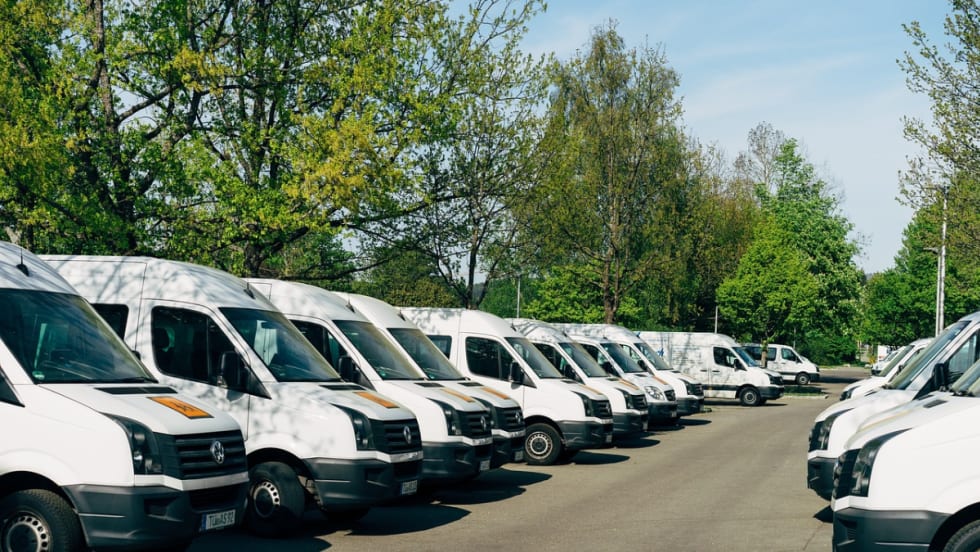
Fleet Simplification is the Antidote to Asset Variability
Fleet simplification identifies asset functions to uncover commonality among the equipment and assets. Simplification increases operational efficiency as end-users become accustomed to the controls, displays, and operation of less diverse units.
Read More →
The Dangers of Static Fleet Policies
A fleet policy is a living document, flexible enough to adapt to evolving business priorities, developing industry trends, and changing industry best practices and standards.
Read More →
Short-Term vs. Long-Term Cost Reductions
Corporate procurement staff are often driven by short-term, immediate cost reductions. However, a longer perspective to soft cost savings is critical because fixating on short-term results will hurt a company in the long run.
Read More →
Uptick in Unscheduled Maintenance Increasing Vehicle Downtime
Fleet data analysis can identify recurring downtime issues. It’s important to determine the root causes of downtime so procedures can be developed to minimize such problems.
Read More →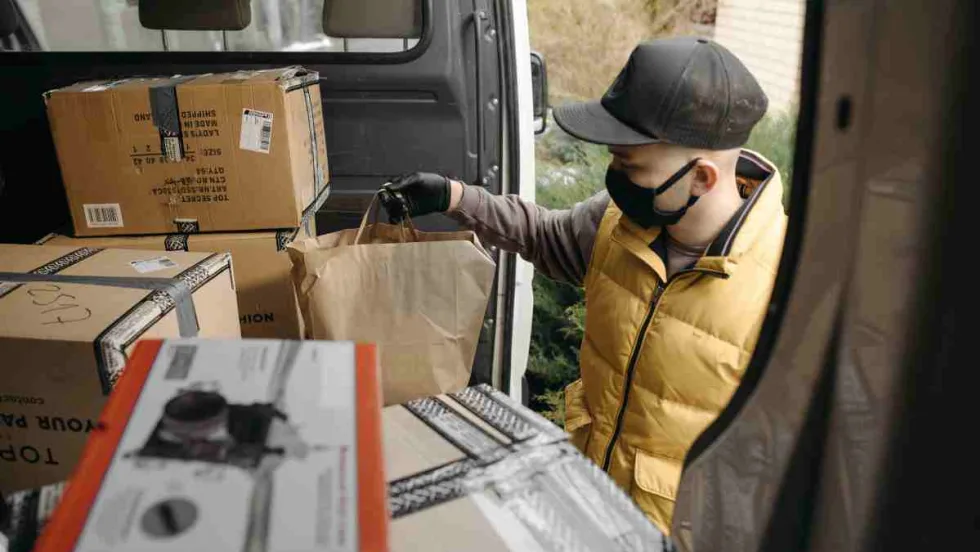
Eliminate Needless Curb Weight to Maximize ICE & EV Efficiencies
Vehicle weight relates directly to fuel economy. In today’s era of electrification, there is also a direct correlation between vehicle weight and battery range.
Read More →
Tech Dependence Risks Dumbing Down Fleet Manager Expertise
The line between creative thinking and problem solving and doing what the data indicates is thin. To lead in fleet management, you need to balance understanding the fundamentals and embracing what smart technology offers.
Read More →
Leverage the Synergy of Safe Driving to Achieve Sustainability and Cost Goals
Safe driving, emission reductions, and cost containment can all be achieved at the same time.
Read More →
The Playbook for Fleet Manager Success
There are many paths to success — most of them involve being flexible, open-minded, and willing to learn.
Read More →