




A Tough Time to Operate a Fleet
Twenty-five years ago, there was a utopian vision of what fleet management would be like in the 21st century. However, this new century has been far from utopian. Its reality is more like a maelstrom. In eight short years, fleet managers have been buffeted by one major crisis after another, most of them unprecedented and severe. The first decade of the 21st century is shaping up to be one of the most tumultuous in the history of fleet management.

By Mike Antich
Twenty-five years ago, there was a utopian vision of what fleet management would be like in the 21st century. However, this new century has been far from utopian. Its reality is more like a maelstrom. In eight short years, fleet managers have been buffeted by one major crisis after another, most of them unprecedented and severe.
These are tough times to operate a fleet. Incredible events are occurring. The entire U.S. domestic auto industry has teetered on the verge of collapse and even though a bridge loan has been authorized by the U.S. Congress, the situation is still precarious. Automakers and dealers continue to find it extremely difficult to fund new- and used-vehicle retail customers as lenders raise minimum required credit scores.
Fuel costs have been wildly unpredictable. First, fuel prices climbed to a record $4.11 per gallon on July 17, and then began a spectacular freefall that is still continuing. The continuing decline in prices is so dramatic and so sudden that it is raising the prospect that average nationwide gasoline prices could conceivably fall below $1 per gallon, especially if macroeconomic conditions continue to deteriorate. For gas prices to get close to a $1 per gallon, oil prices would need to fall another $10 a barrel — something that would have been impossible to fathom during the first part of this year as crude oil prices soared near $150 per barrel. But, with a barrel of oil currently selling at $44, it's no longer an inconceivable scenario; however, most likely unsustainable in the long-run.
In 2001, the terror attacks of Sept. 11 caused an overnight meltdown in fleet resale values. In the space of a month, resale values plummeted 30 percent. It took us almost three years to dig out of this hole. In 2005, Hurricane Katrina triggered fuel prices to skyrocket to a then-record $3 a gallon, literally overnight. Afterwards fuel prices continued their northward march until peaking in July 2008. In 2007, the subprime crisis emerged that morphed into a full-blown financial crisis in July 2008, triggered by the collapse of Bear Sterns, Lehman Brothers, Merrill Lynch, and AIG. This, in turn, fueled an ever-deepening global recession.
Fleet operations are feeling the pressure of the dramatic downturn in the economy. This downturn is impacting fleets in ways never before experienced. Who could have conceived some fleets would find it difficult to order new-vehicles through their fleet management company? Resale values have softened, acquisition costs are up, and incentive dollars are diminishing. Fleet budgets remain flat, while costs go up. Throughout corporate America, fleet managers are under intense pressure from senior management to reduce expenses, make fleet operations more efficient, and maximize driver productivity at the lowest possible cost.
The first decade of the 21st century is shaping up to be one of the most tumultuous in the history of fleet management. When the history of fleet management is written, this will be recorded not only as a very challenging decade, but one that validated the value of professional in-house fleet managers. Exemplary fleet managers are being proactive and anticipating the changes in their corporate environment. In this tumultuous economic environment, fleet managers are saving companies millions of dollars by implementing the right policies and selecting the right vehicles and suppliers. A fleet manager who reduces annual fleet expenses by $100,000 generates the equivalent of $1 million in sales, if a company operates at a 10-percent net profit margin.
When uncontrollable market forces drive up the cost of fleet operations, it takes the expertise of a professional fleet manager to mitigate their financial impact. Trust me. Without an in-house professional fleet manager, things could be a lot worse and the cost of running a fleet much more expensive. It is during times of crisis that the value of a professional fleet manager is most apparent.
Let me know what you think.
More Blog Posts

Fleets Want Trust Restored with Suppliers
During this period of ongoing supply constraints, the trust that fleet managers had with OEMs, upfitters, and dealers has been strained. Fleet managers say they have had too many experiences over the past three years coping with erroneous information, adjusting to multiple price increases, and feeling betrayed by inadequate transparency from suppliers.
Read More →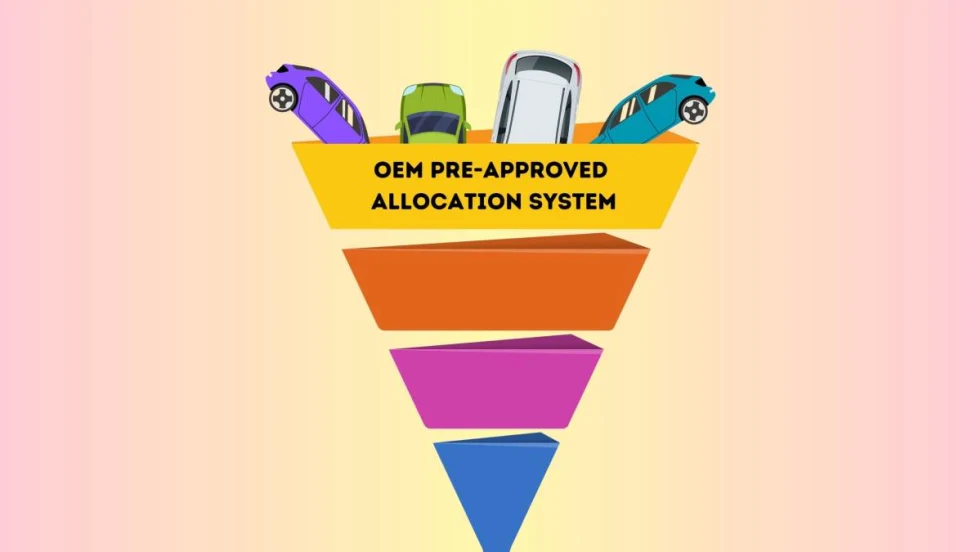
Scheduled Replacement Cycles Are Becoming a Distant Memory
The ongoing difficulty in sourcing replacement vehicles is forcing companies to extend the service lives of vehicles that are unable to be replaced, which, inevitably, increases unscheduled maintenance expenses.
Read More →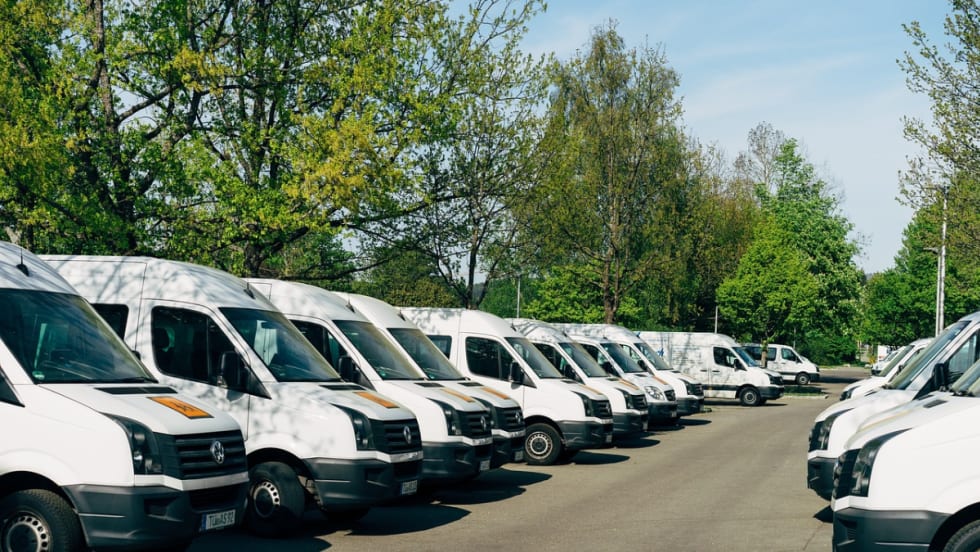
Fleet Simplification is the Antidote to Asset Variability
Fleet simplification identifies asset functions to uncover commonality among the equipment and assets. Simplification increases operational efficiency as end-users become accustomed to the controls, displays, and operation of less diverse units.
Read More →
The Dangers of Static Fleet Policies
A fleet policy is a living document, flexible enough to adapt to evolving business priorities, developing industry trends, and changing industry best practices and standards.
Read More →
Short-Term vs. Long-Term Cost Reductions
Corporate procurement staff are often driven by short-term, immediate cost reductions. However, a longer perspective to soft cost savings is critical because fixating on short-term results will hurt a company in the long run.
Read More →
Uptick in Unscheduled Maintenance Increasing Vehicle Downtime
Fleet data analysis can identify recurring downtime issues. It’s important to determine the root causes of downtime so procedures can be developed to minimize such problems.
Read More →
Eliminate Needless Curb Weight to Maximize ICE & EV Efficiencies
Vehicle weight relates directly to fuel economy. In today’s era of electrification, there is also a direct correlation between vehicle weight and battery range.
Read More →
Tech Dependence Risks Dumbing Down Fleet Manager Expertise
The line between creative thinking and problem solving and doing what the data indicates is thin. To lead in fleet management, you need to balance understanding the fundamentals and embracing what smart technology offers.
Read More →
Leverage the Synergy of Safe Driving to Achieve Sustainability and Cost Goals
Safe driving, emission reductions, and cost containment can all be achieved at the same time.
Read More →
The Playbook for Fleet Manager Success
There are many paths to success — most of them involve being flexible, open-minded, and willing to learn.
Read More →