




A New Emerging Fleet Issue – ‘Burnout’
My takeaway from last April’s NAFA I&E Conference was the extent to which fleet managers are being stretched to their limits. The catalyst has been the recent economic downturn, which decimated what little staff may have been at the disposal of many fleet managers. Time constraints have caused a fleet manager’s daily activity to be a "juggling act," which has devolved into “crisis management” of putting out an endless stream of "fires."

My takeaway from last April’s NAFA I&E Conference was the extent to which fleet managers are being stretched to their limits. This isn’t a new phenomenon, but I sensed it has reached an intensity not previously seen. The catalyst has been the recent economic downturn, which decimated what little staff may have been at the disposal of many fleet managers. Similarly, fleet managers lucky to survive the layoffs have assumed additional responsibilities from less fortunate managers.
Fleet management has become a “juggling act,” which has become even more difficult as fleet managers have taken on greater responsibilities, invariably with less staff. The day of the fleet manager handling only fleet has become a rarity. Fleet managers who excel at their corporations have taken on diverse management responsibilities, but the down side is that the total amount of time they can devote to fleet has been reduced, sometimes dramatically. The universal complaints from fleet managers are the long hours and lack of help. A few voiced a feeling of “burnout.”
Although technology is enhancing fleet manager productivity, it also adds to the work level. Something as innocuous as e-mail is taking up more and more time out of the work day with each passing year. Nowadays, the first hour at work is simply getting caught up with e-mail – that is, if you haven’t been monitoring e-mail during your off-hours, which is another issue. Nonetheless, fleet managers would find it difficult to do their jobs without e-mail. It is both a boon and a curse to fleet managers (and I can think of several fleet managers who would lean more to the side of curse).
Putting Out an Endless Stream of ‘Fires’
Unfortunately, these time constraints have caused a fleet manager’s daily activity to devolve into “crisis management,” putting out an endless stream of “fires.” Compounding this difficulty is that some companies don’t take fleet as seriously as they say they do. At these companies, management doesn’t devote much attention to fleet, unless, of course, something goes wrong or an issue arises that affects their personal company vehicle. If you ask these senior managers if they’re involved in fleet, they say they are, but, in reality, they are not. One reason is that fleet is not core to their business. Many fleet managers have heard the refrain: “We’re in the ‘widget’ business, not the car business.” Some of these senior managers view fleet as a necessary evil. They view fleet as an expense, and it costs what it costs. The fleet manager’s job is to control the cost as best he or she can. Invariably, additional resources are not invested to support these efforts because management doesn’t believe such expenditures bring sufficient ROI.
In addition, many fleet budgets have remained flat for consecutive years, while costs go up annually. There is ongoing pressure on today’s fleet managers to get the same results, even though the budget is smaller. Complicating matters, many outside factors, over which fleet managers have little control, thwart cost-reduction initiatives. During this period of economic uncertainty, there is increased management scrutiny of fleet. Many senior managers fancy themselves fleet experts. They minimize the skill-set required to effectively manage a multimillion dollar fleet asset.
However, anyone who truly understands the science of fleet management recognizes it takes years to develop fleet management expertise and institutional knowledge. Fleet managers complain of the waste of time expended to prove a manager’s pet theory is incorrect and having to do so over and over again with each successive management team. Sadly, the contribution a fleet manager makes to the corporate bottom line is often underappreciated. At these companies, management does not view its in-house fleet manager as a member of the company’s management team. But they should, for the simple reason fleet managers are managing a multimillion dollar asset that has a direct influence on the produc-tivity of company employees.
Resilience is More Important Than Ever
There are many fleet managers who believe these issues do not apply to them due to the fact they are operating a well-managed fleet, and their efforts are acknowledged by their management. However, I will contend that complacency is a real danger to fleet operations, especially well-run fleets. A fleet manager who gets too comfortable with his or her operation becomes complacent with his or her skillset. When operations are running smoothly, there is inertia to change. The conventional wisdom is to not change something that isn’t broken. Exemplary fleet managers are not complacent; they are strivers constantly pushing the envelope. One underutilized industry resource is prospective suppliers. Many fleet managers make themselves inaccessible to prospective suppliers. They are missing a wonderful opportunity. You need to continually ask suppliers what they have seen among their client base that is successful. Could these practices be implemented in your fleet operation? In fleet management, it is necessary to push your horizon, be creative, create “stretch goals,” and be willing to experiment with technology-based fleet solutions.
There is another trait I’ve witnessed with long-time fleet managers – resilience. This trait is now more important than ever.
Let me know what you think.
More Blog Posts
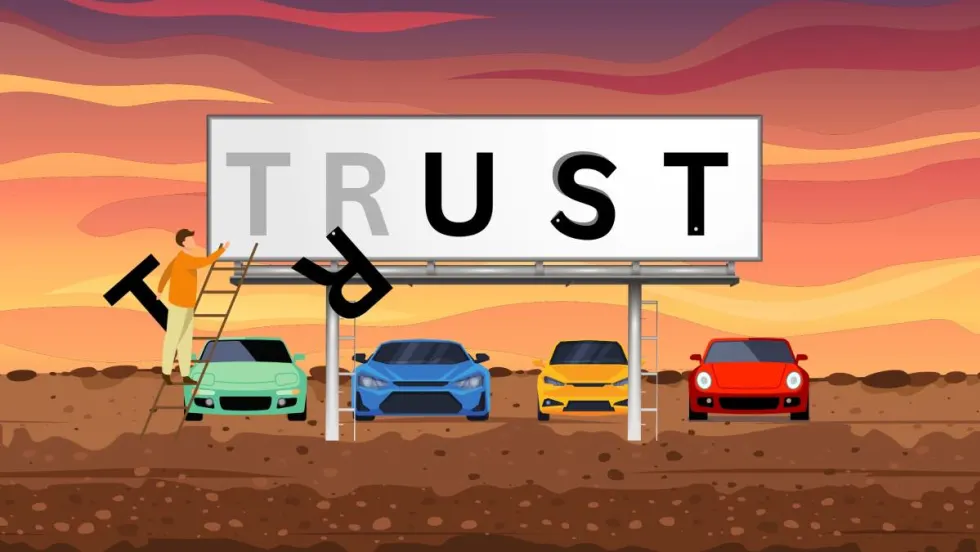
Fleets Want Trust Restored with Suppliers
During this period of ongoing supply constraints, the trust that fleet managers had with OEMs, upfitters, and dealers has been strained. Fleet managers say they have had too many experiences over the past three years coping with erroneous information, adjusting to multiple price increases, and feeling betrayed by inadequate transparency from suppliers.
Read More →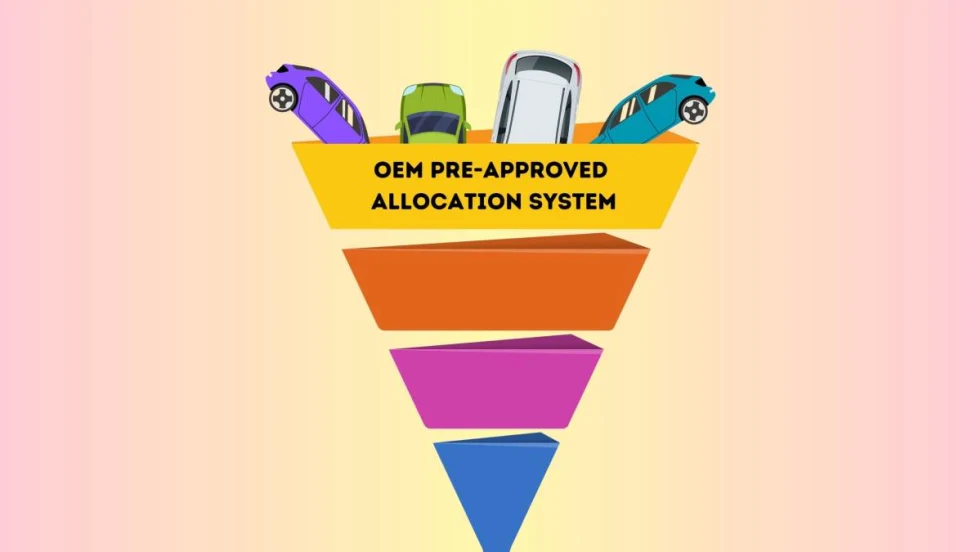
Scheduled Replacement Cycles Are Becoming a Distant Memory
The ongoing difficulty in sourcing replacement vehicles is forcing companies to extend the service lives of vehicles that are unable to be replaced, which, inevitably, increases unscheduled maintenance expenses.
Read More →
Fleet Simplification is the Antidote to Asset Variability
Fleet simplification identifies asset functions to uncover commonality among the equipment and assets. Simplification increases operational efficiency as end-users become accustomed to the controls, displays, and operation of less diverse units.
Read More →
The Dangers of Static Fleet Policies
A fleet policy is a living document, flexible enough to adapt to evolving business priorities, developing industry trends, and changing industry best practices and standards.
Read More →
Short-Term vs. Long-Term Cost Reductions
Corporate procurement staff are often driven by short-term, immediate cost reductions. However, a longer perspective to soft cost savings is critical because fixating on short-term results will hurt a company in the long run.
Read More →
Uptick in Unscheduled Maintenance Increasing Vehicle Downtime
Fleet data analysis can identify recurring downtime issues. It’s important to determine the root causes of downtime so procedures can be developed to minimize such problems.
Read More →
Eliminate Needless Curb Weight to Maximize ICE & EV Efficiencies
Vehicle weight relates directly to fuel economy. In today’s era of electrification, there is also a direct correlation between vehicle weight and battery range.
Read More →
Tech Dependence Risks Dumbing Down Fleet Manager Expertise
The line between creative thinking and problem solving and doing what the data indicates is thin. To lead in fleet management, you need to balance understanding the fundamentals and embracing what smart technology offers.
Read More →
Leverage the Synergy of Safe Driving to Achieve Sustainability and Cost Goals
Safe driving, emission reductions, and cost containment can all be achieved at the same time.
Read More →
The Playbook for Fleet Manager Success
There are many paths to success — most of them involve being flexible, open-minded, and willing to learn.
Read More →