




10 Ways to Minimize DOT Scrutiny
More and more medium-duty truck fleets are coming under DOT scrutiny through roadside inspections and on-site audits. Enforcement has increased noticeably in the past three years.

More and more medium-duty truck fleets are coming under DOT scrutiny through roadside inspections and on-site audits. Enforcement has increased noticeably in the past three years. “We are definitely seeing more roadside stops,” concurs Mike Butsch, fleet manager for P&H Mining/Joy Global.
The reasons for increased enforcement are multiple, complex, and varied. “DOT has beaten up the carriers so much that the new revenue source is going to come from private fleets,” said Bob Shipp, northern zone, national truck sales manager for ARI. “DOT will be targeting private fleets, even more than they do now.”
Another reason for the increased enforcement is that medium-duty fleets are viewed by DOT as most likely operating vehicles with the most glaring problems,” said Ed Emerick, lead safety consultant for J.J. Keller. The anecdotal view of inspectors is that there is a greater likelihood of vehicles less than 26,001 lbs. being operated without adequate compliance.
“In particular, state DOTs are focusing on ¾- and one-ton pickups pulling trailers,” said Emerick. Even though the GVW of these pickups falls below 10,001 lbs., the gross combination vehicle weight (GCVW) causes them to exceed this threshold. When the GCVW hits 10,001 lbs. or more, a vehicle is covered under DOT regs. (See page 40 of the September/October 2007 issue.)
An additional reason cited for the increased enforcement is that certain fleets, such as those in the construction and service industries, are viewed as “hot spots” for DOT inspectors. “For instance, several years ago, Florida DOT started focusing on the lawn care industry because these vehicles were hauling stored gasoline and large quantities of fertilizer,” say Butsch. “Since the Oklahoma City bombing and 9-11, there has been increased sensitivity to the transport of hazardous materials.”
Also, state DOTs are under pressure from the federal government and a myriad of concerned citizen groups, such as Mothers Against Tired Truckers, to get unsafe trucks and drivers off the road. Likewise, state legislatures are putting political pressure on state DOTs to be more aggressive in their enforcement, especially after fatalities occur in highly publicized truck crashes. The trucking industry has a negative perception among the public. “When you see a photo of a traffic accident in a newspaper, people automatically assumed the truck was at fault,” said Dwight Siewert, senior compliance consultant for J.J. Keller.
In addition, certain states are viewed as more zealous than others, such as California, Ohio, Pennsylvania, Kentucky, Georgia, and Florida. These states are perceived to be more aggressive, but oftentimes it is primarily due to the higher volume of traffic traveling through them.
Advice for Fleet Managers
Here are 10 ways to proactively minimize DOT scrutiny.
1. Standardize to Federal Regs: “If your fleet has operations in multiple states, standardize to one set of regulations. Interstate commerce is matched to federal regulations, but intrastate is not,” said Emerick. “It is best to standardize to federal DOT regs for your intrastate operations for conformity and consistency.”
2. Increase Driver and Management Knowledge of DOT Regulations: “It is important to make drivers aware of what the rules require and to be prepared to properly answer questions asked during a roadside inspection,” said Emerick. It is also important to educate your dispatcher and maintenance supervisor.
3. Pre- and Post-Trip Inspections: “Teach drivers how to conduct a pre- and post-trip inspection,” said Siewert. “Most companies automatically assume a driver knows how to do this, if they’ve had past driving experience. This isn’t always the case.”
4. Perform Internal Audits. “Companies should perform their own internal audits before the real one comes,” said Siewert.
5. Monitor Regional Operations: “DOT compliance by regional managers is a secondary job for them,” said Butsch. Satellite locations must be audited to ensure they are in compliance.
6. Listen to the Driver: “Although you will always find complainers, in most cases, if a driver complains about truck or equipment-related problems, it is legitimate,” said Siewert.
7. Maintain a Professional Image: “If a vehicle looks clean and in good condition and if the driver looks professional, it is less likely to be pulled over versus a truck that is unwashed and dinged up,” said Siewert.
8. Join Your State Trucking Association: “These associations are not just for long-haulers, many have separate groups just for medium-duty truck fleets,” said Siewert.
9. Utilize Industry Resources: “You’re not alone. There are a variety of resources available to assist fleet managers to understand DOT regulations and compliance,” said Siewert. “Also, take the time to attend seminars to stay abreast of regulations and what’s happening in the industry.”
10. Management Support. “You need to reach the highest level of the organization to get their support,” said Butsch.
You’re in the Crosshairs
Fleet managers need to reverse the culture that DOT regs “don’t apply to us.” Non-compliance is not only expensive, it is dangerous to your drivers and to other drivers on the road. Let me know what you think.
More Blog Posts

Fleets Want Trust Restored with Suppliers
During this period of ongoing supply constraints, the trust that fleet managers had with OEMs, upfitters, and dealers has been strained. Fleet managers say they have had too many experiences over the past three years coping with erroneous information, adjusting to multiple price increases, and feeling betrayed by inadequate transparency from suppliers.
Read More →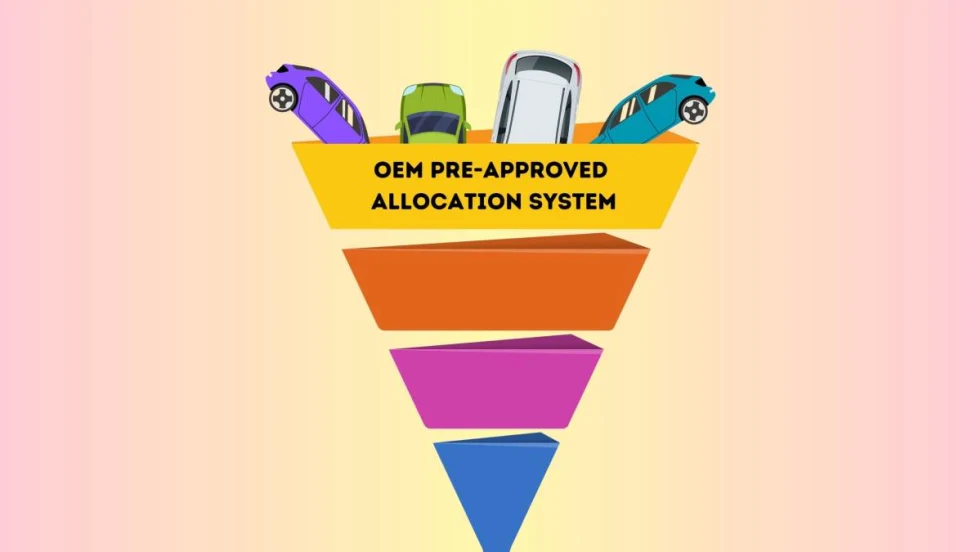
Scheduled Replacement Cycles Are Becoming a Distant Memory
The ongoing difficulty in sourcing replacement vehicles is forcing companies to extend the service lives of vehicles that are unable to be replaced, which, inevitably, increases unscheduled maintenance expenses.
Read More →
Fleet Simplification is the Antidote to Asset Variability
Fleet simplification identifies asset functions to uncover commonality among the equipment and assets. Simplification increases operational efficiency as end-users become accustomed to the controls, displays, and operation of less diverse units.
Read More →
The Dangers of Static Fleet Policies
A fleet policy is a living document, flexible enough to adapt to evolving business priorities, developing industry trends, and changing industry best practices and standards.
Read More →
Short-Term vs. Long-Term Cost Reductions
Corporate procurement staff are often driven by short-term, immediate cost reductions. However, a longer perspective to soft cost savings is critical because fixating on short-term results will hurt a company in the long run.
Read More →
Uptick in Unscheduled Maintenance Increasing Vehicle Downtime
Fleet data analysis can identify recurring downtime issues. It’s important to determine the root causes of downtime so procedures can be developed to minimize such problems.
Read More →
Eliminate Needless Curb Weight to Maximize ICE & EV Efficiencies
Vehicle weight relates directly to fuel economy. In today’s era of electrification, there is also a direct correlation between vehicle weight and battery range.
Read More →
Tech Dependence Risks Dumbing Down Fleet Manager Expertise
The line between creative thinking and problem solving and doing what the data indicates is thin. To lead in fleet management, you need to balance understanding the fundamentals and embracing what smart technology offers.
Read More →
Leverage the Synergy of Safe Driving to Achieve Sustainability and Cost Goals
Safe driving, emission reductions, and cost containment can all be achieved at the same time.
Read More →
The Playbook for Fleet Manager Success
There are many paths to success — most of them involve being flexible, open-minded, and willing to learn.
Read More →