


 MENU
MENU SEARCHMENUSEARCH
By finding a specific niche in their respective markets, these independent carsharing companies are surviving against the big guys in the expanding carsharing market.
Read More →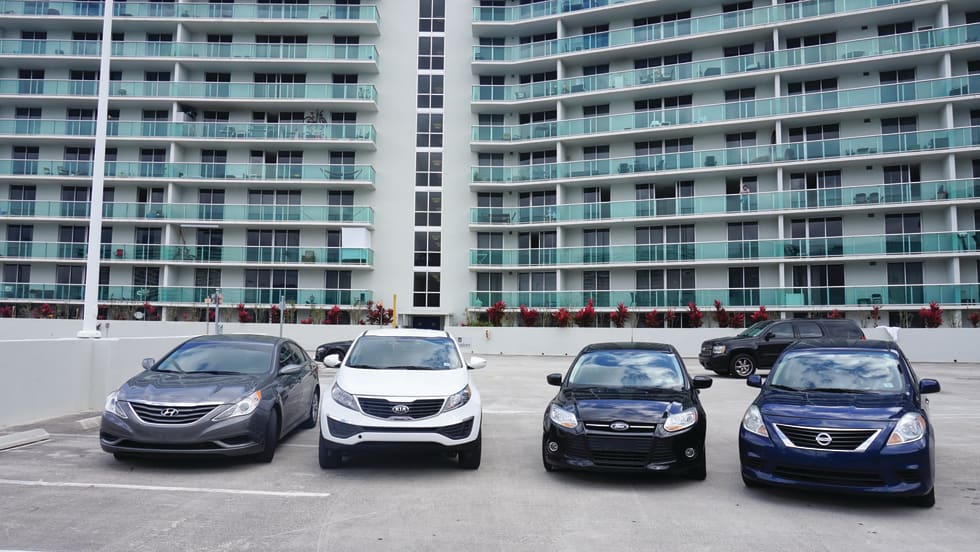
This new model borrows carsharing technology to free the rental car from the traditional confines of the rental lot and counter.
Read More →
A car rental operator is interested in starting a carsharing service to complement his traditional rental fleet. He is asking for tips to help him decide whether the carsharing service will be successful.
Read More →
As the marketplace moves away from the rental counter and into "anytime, anywhere" mobile bookings, now is the time for car rental companies to embrace the notion of carsharing and its on-demand transportation technology.
Read More →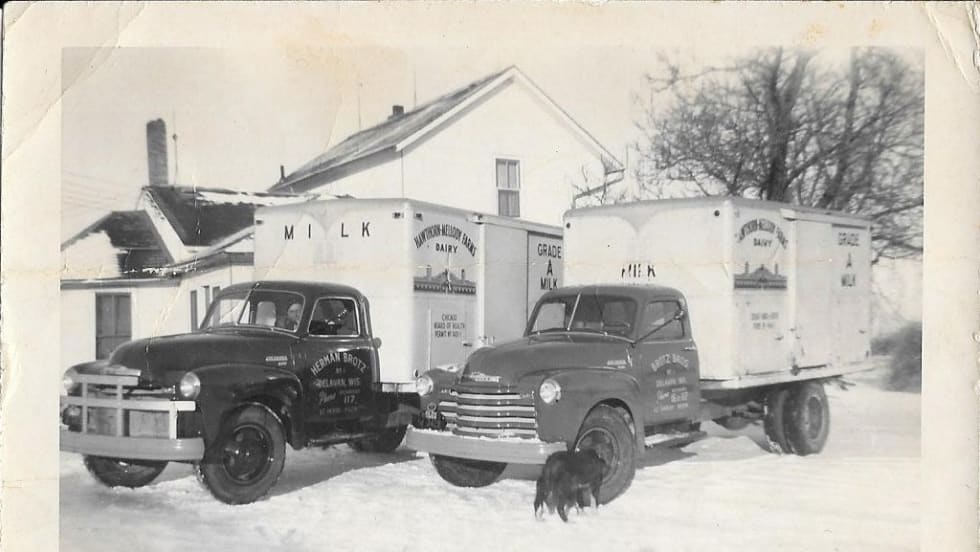
If there's ever been a quintessential work truck in the history of commercial vehicles, it's probably the milk truck. As these trucks from the 1950s show, the milk truck was also a relatively sophisticated vehicle for its time.
Read More →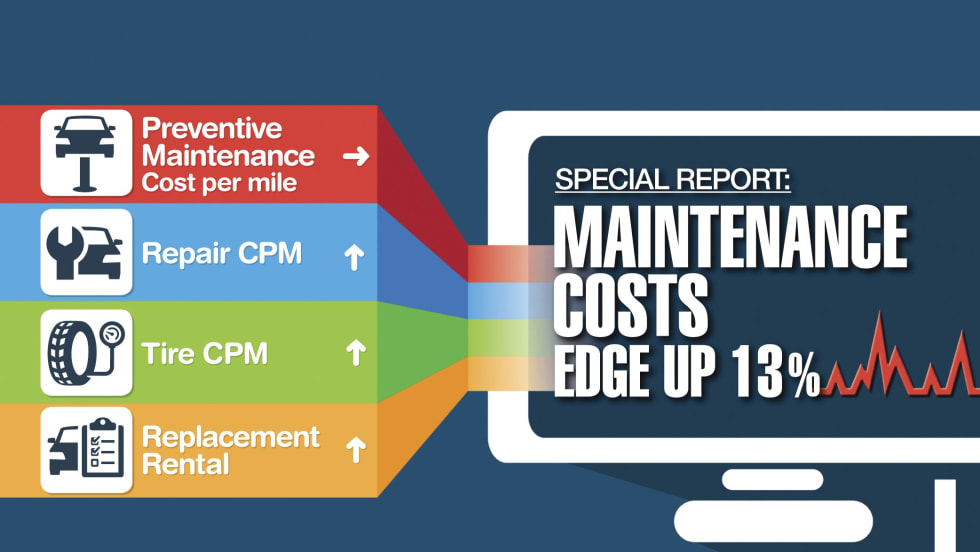
Doing CY-2014, passenger car CPM maintenance costs were up 13 percent as the average age of units in operation increased due to fewer companies engaging in vehicle shortcycling and recalls caused a double-digit spike in rental costs.
Read More →
The decrease in vehicle shortcycling by commercial fleets has resulted in more vehicles in operation with higher mileages, which necessitate a second or third set of replacement tires during the course of a vehicle's service life.
Read More →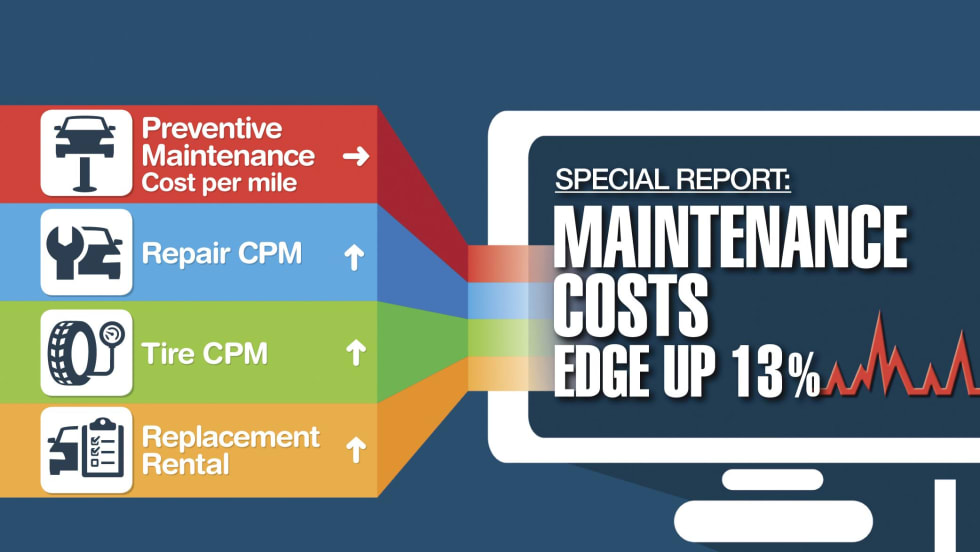
Fleets continue to see OEM "recommended" and "required" scheduled service intervals extended, such as fluid changes, spark plugs, transmission services, and timing belts, which help keep preventive maintenance costs flat.
Read More →
A perennial question facing management is whether it makes business sense to provide company vehicles or to reimburse employees for the use of their personal vehicles. Some believe it will cost less, but the reality is different.
Read More →SUV registrations among luxury commercial fleet vehicles increased between 2009 and 2013, according to analysis of R.L. Polk data.
Read More →