





Related: Longer Service Lives & Recalls Increase Maintenance Costs
Extended Lifecycles Increase Passenger Car Tire Expenses
The decrease in vehicle shortcycling by commercial fleets has resulted in more vehicles in operation with higher mileages, which necessitate a second or third set of replacement tires during the course of a vehicle's service life.
March 10, 2015
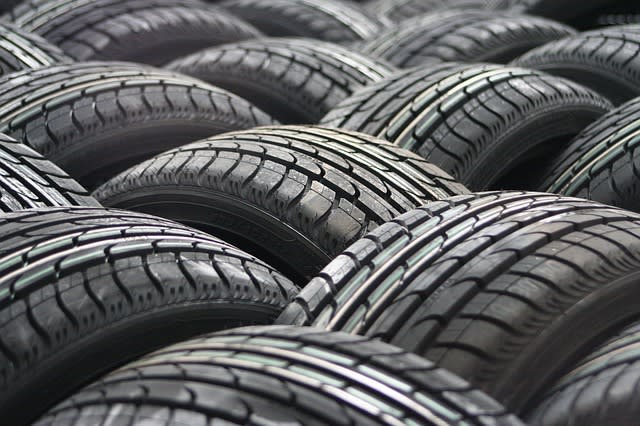
Photo via Pixabay.
5 min to read
Photo via Pixabay.
Passenger car replacement tire expenses increased in the 2014 calendar-year compared to the 2013-CY, primarily due to vehicles being kept in service for longer periods.
“Replacement tire costs increased 15 percent per vehicle in 2014, while the average cost of a passenger tire increased only 2 percent to $136,” said Chad Christensen, strategic consultant for GE Capital Fleet Services. “This figure, though, is 12-percent higher than 2012. Less frequent vehicle cycling in 2014 drove the need for a second or third set of replacement tires.”
The forecast for tire expenses in the 2015 calendar-year is that costs will remain stable. “We expect 2015 replacement tire pricing to remain stable despite currently low oil prices, although new tire model lines could increase costs for some model vehicles,” said Christensen.
A similar 2015 forecast is provided by representatives from tire OEs.
“Michelin internal estimates are for pretty flat raw material costs in 2015, which should translate into fairly flat tire prices in the U.S. market for passenger and light truck tires,” said Kevin Stephens Sr., North American sales manager for Michelin North America.
One forecasted trend is the growing adoption of run-flat tires by vehicle manufacturers.
“We expect to see more original equipment run-flat tires. Although only a few vehicle models have run-flats as original equipment, the pricing for run-flat replacement tires is decreasing,” said Mark Lange, technical service specialist for GE Capital Fleet Services.
“Run-flat tires may provide minimal improved fuel economy as the spare tire and jack can be eliminated to reduce vehicle weight and create more trunk space. Fleet drivers have become more accepting of the run-flat tires.”
The OEM trend toward increased tire diameters helped put upward pressure on replacement tire prices.
“Increased wheel sizes continue to raise the cost of replacement tire prices and we
expect this to continue even with smaller vehicle model types,” said Lange.
The complications and cost implications arising from the introduction of unique tire sizes was cited by Christensen.
“The OEMs continued introduction of unique tire sizes has contributed to significant challenges for tire replacement due to a limited number of providers carrying non-standard tire sizes. Van and crossover models have more commonly utilized unique tire sizes compared to sedans. The most recent unique tire size introduced affects several newly launched cargo van models and major tire manufacturers have indicated it will take several years to launch replacement tires,” said Christensen.
One ramification from increased OEM tire sizes is increased cost. For many years, the trend has been to larger 17- and 18-inch wheel sizes, resulting in higher replacement costs, since the larger the tire, the more material it takes to make the tire.
“The increase in OEM automobile wheel diameters has driven up the cost of replacement tires. The indication is that this trend will continue, particularly as OEMs build automobiles for the tech-savvy consumer which translates into a strong appetite for vehicles to deliver more performance through the suspension, brakes, and consequently tire and tire dimensions,” said Stephens of Michelin.
However, OEMs are decreasing the number of unique-sized tires they are specifying for future models. The shift to larger diameter tires has already occurred in many vehicle model lines and the current prices are, so to speak, already baked into the pie, especially when making year-over-year comparisons.
“The previous escalation in higher diameter wheels and tires has slowed and seems to have leveled out. It is important to take a step back and look at the evolution of tire sizes and expanded applications. According to the Tire & Rim Association, the majority of fitments 20 years ago were 13- to 15-inch wheel diameters, and now the popular sizes range from 16- to 20-inch diameters, with the core OE sizes in the 16-, 17-, and 18-inch wheel diameters. This should continue,” said Fred Cooper, national fleet manager for The Goodyear Tire & Rubber Company.
One way to mitigate rising tire costs is to be more judicious in the types of tires purchased. For instance, some fleets buy “more tire” than what is needed for the fleet application. One ongoing issue is the specification of snow tires.
“Challenges may exist for vehicles with original equipment summer tire tread design that later require a winter tread design for snow or ice. Fleets have increasingly engaged their safety managers in ‘snow tire policies’ to help reduce vehicle stopping distances, driver complaints, and liability issues. Purchasing winter tires not only increases costs but may pose challenges storing a second set of tires,” said Eric Strom, safety & maintenance product manager for GE Capital Fleet Services.
Another emerging trend has been a decrease in the use of nitrogen to inflate tires.
“We’ve noticed a declining trend from repair providers requesting nitrogen for tire inflation. There appears to be a lack of acceptance for nitrogen’s benefits and the associated extra costs,” said Lange. “Repair provider costs to service tire pressure monitoring systems (TPMS) have stabilized and the process is more driver friendly as some vehicles can be automatically reset.”
Tire manufacturers recommend fleet managers take into consideration tread design when selecting replacement tires.
“For fleets interested in fuel efficiency as it relates to tires, they should first look at how tires are designed for specific purposes. Tire development has traditionally involved working within a ‘performance triangle’ that includes traction, tread wear, and rolling resistance. A good balance between these product attributes is typically preferred, although some fleets may prefer one quality over another,” said Cooper.
Not only is tire size one of the variables used by vehicle OEMs to create specific handling and performance characteristics, it is also being used to increase fuel economy by decreasing tire rolling resistance.
“Goodyear has combined innovative technologies, including a unique fuel-saving tread compound, that work together to expand the conventional performance triangle. This enables the Assurance Fuel Max tire, for example, to provide confident all-season traction and tread wear, while providing low rolling resistance for enhanced fuel economy,” added Cooper.
New tire technology is offsetting increased tire costs by extending tread life and helping to reduce fuel consumption.
“One example is Goodyear’s Fuel Max Technology that helps save fuel over the life of the tires, potentially reducing overall driving costs,” said Cooper. “Another is the application of evolving traction grooves that help maintain confident traction in snow and rain even as the tire wears. Many ongoing technological innovations are under development by Goodyear.”
Subscribe to Our Newsletter
More Maintenance

Sponsored•October 1, 2026
Fleet Manager’s Ultimate Playbook: Navigating the New Standard in OEM Connectivity
Rising operating costs, driver safety concerns, and unplanned downtime are putting unprecedented pressure on modern fleets. Discover how fleet managers use embedded OEM connectivity and real-time vehicle data to cut TCO, prevent downtime, and protect drivers without aftermarket telematics hardware.
Read More →
How Can Fleet Managers Tell Which Repairs Require Closer Review?
Fleetio’s Brianna Perry demonstrates how Service Advisor evaluates maintenance requests, identifies pricing anomalies, and provides the context fleet managers need to focus their attention on potential problems.
Read More →
Why Roadside Assistance Belongs in a Fleet Risk Strategy
Roadside assistance is more than a tow. See how the right partner can protect drivers, uncover fleet trends, and strengthen your risk strategy.
Read More →
Sponsored•August 7, 2026
Hidden in Plain Sight: Fleet Compliance Risks
Fleet compliance isn't just about having policies — it's about consistently enforcing them. This practical guide reveals six hidden compliance risks common in public sector and shared fleet operations and outlines proven strategies to improve visibility, accountability, and audit readiness
Read More →
How Maintenance Costs Compare Across 27 Fleet Vehicles
Vincentric’s three-year, 60,000-mile projections reveal wide differences for both scheduled and unscheduled maintenance among selected vehicle categories. Projected maintenance visits also play a factor.
Read More →
The EV Breakdown Nobody's Talking About: Why Most Electric Vehicle Roadside Calls Aren't Mechanical Failures
Here's why EV breakdowns are widely misunderstood.
Read More →
How Stellantis Plans to Get Ahead of Fleet Downtime
Keeping fleet vehicles on the road has become as important as buying them. Darren Bradshaw of Mopar North America explains how connected vehicle data, AI, and proactive service strategies are helping Stellantis reduce downtime and move closer to predictive maintenance.
Read More →
Merchants Fleet Expands Maintenance Network with Pep Boys
Merchants Fleet has expanded its relationship with Pep Boys, increasing the service provider's role within its national maintenance network. The move is intended to enhance maintenance coordination and support commercial fleets through Pep Boys' nationwide footprint.
Read More →
The Two Biggest Summer Downtime Threats for Fleets
A conversation with a maintenance expert reveals the two most common summer maintenance pains and how to prevent them.
Read More →
From Marine Corps Motor Pool to Managing 460 Fleet Vehicles
Cesar Ayala of O’Connell Landscape Maintenance shares how he transitioned from the Marine Corps to managing a 460-vehicle fleet—and the real-world challenges of maintenance, compliance, and driver management in California.
Read More →