




Why It’s Getting Harder to Buy Diesel Trucks
Sales quotas for electric trucks, credits trading, engine compliance, and on-road inspections are converging to shrink the availability of diesel trucks and raise prices.
March 20, 2025

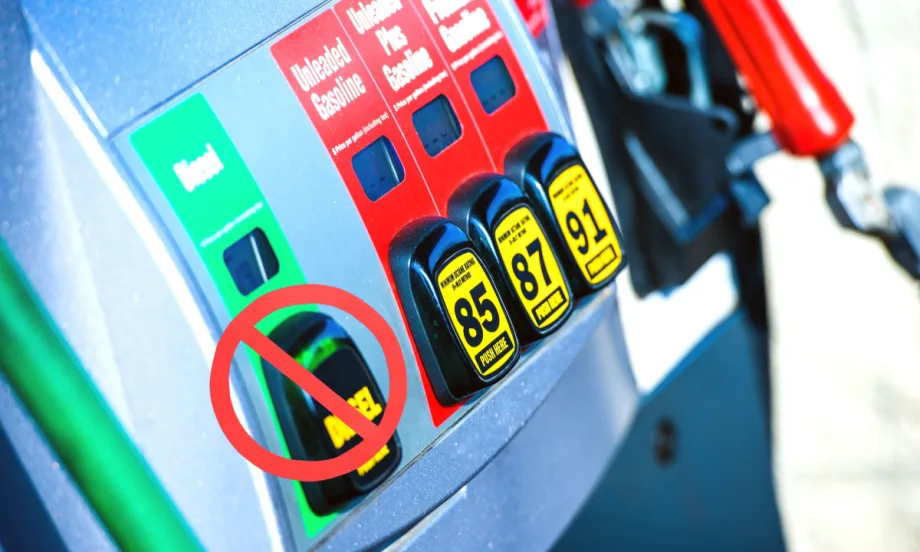
A complex set of new rules set forth by CARB and EPA mandate drastic diesel emissions reductions, though uncertainty lies ahead regarding both agencies’ regulatory authority.
Photo: Automotive Fleet
5 min to read
A complex web of rules set forth by the California Air Resources Board (CARB) and Environmental Protection Agency (EPA) is making it increasingly difficult for fleets to purchase new diesel trucks — not just in California but soon in other states and nationwide.
The rules include mandates to drastically restrict nitrogen oxide (NOx) emissions and greenhouse gases from diesel engines while requiring the sale of zero-emissions vehicles (ZEVs).
“Rapidly evolving regulations have created a great deal of uncertainty, leaving many fleet operators confused and overwhelmed,” said Holman’s Sustainability Consultant Joe Korn.
Stricter Regulations Afoot
Even though CARB recently paused its Advanced Clean Fleets (ACF) Rule for private fleets, which mandates the incremental acquisition of ZEVs, two CARB policies are still in effect:
The Advanced Clean Trucks (ACT) Rule forces truck manufacturers to ensure an increasing percentage of their sales are ZEVs. By 2035, 100% of new medium and heavy-duty truck sales in California must be ZEVs.
The Low NOx Omnibus Rule requires all diesel engines sold in California starting in 2024 to drastically lower particulate and nitrogen oxide (NOx) emissions, reducing allowable NOx emissions by 75% in 2024 and by 82.3% by 2027.
Meanwhile, the EPA’s “Multi-Pollutant Emissions Standards for Model Years 2027 and Later Light-Duty and Medium-Duty Vehicles” is aligned with CARB’s NOx reduction targets for 2027 after an agreement with the Engine Manufacturers Association.
The EPA rule also requires minimum emissions reductions for greenhouse gases (GHGs).
In a minor reprieve for engine makers, CARB has adopted an amendment to allow up to 60% of sales in the 2024 and 2025 model years to be legacy engines that meet the previous NOx standards.
How New Rules Shrink Diesel Availability & Raise Prices
OEM sales quotas and credit trading are part of ACT. In California, manufacturers must meet a minimum percentage of zero-emission sales, which started at 7% in 2024. If they don’t, they face penalties.
This forces OEMs to structure their diesel allocations strategically. “A dealer might tell (a fleet), ‘I can sell you five diesel trucks, but you have to take one electric truck too.’” Korn said. “Some OEMs are doing one-for-three deals, some one-for-five, depending on how many ZEV credits they have.”
Complicating matters is that not all diesel engines meet CARB’s 2024 compliance, meaning that even if fleets want to buy diesel trucks, the supply is limited. View this link for a list of engines to compare compliance.
The Low NOx Omnibus Regulation also comes with more stringent warranty requirements.
For MY-27 Class 8 trucks and later, warranties for emissions systems are required up to 650,000 miles instead of the previous 435,000 miles. Warranties for smaller diesel engines must go to at least 350,000 miles instead of 110,000 miles.
The complexity and cost of maintaining these newer diesel engines will also increase, as they require enhanced after-treatment systems, higher DEF (diesel exhaust fluid) consumption,and more frequent maintenance cycles.
The added R&D, emissions controls, and durability requirements will increase new diesel truck prices. Light-duty diesel engines are expected to increase by $5,000 to $12,000 more than their predecessors, while heavy-duty engines will be $20,000 to $30,000 more.
Section 177 States & Beyond
While these regulations start in California, other states that have adopted California’s regulations under Section 177 of the Clean Air Act will soon follow, with varied implementation timelines.
Ten states follow ACT: Colorado, Maryland, Massachusetts, New Jersey, New Mexico, New York, Rhode Island, Vermont, Oregon, and Washington.
“You can’t just go to Nevada and buy a diesel truck,” Korn warned. “If you want to register it in a CARB state, it has to meet the standard.”
However, diesel truck availability will also be affected in non-CARB states, as the EPA’s standards set a federal baseline that is applicable nationwide.
Rules for Diesels in Operation
Diesel trucks already on the road face increasing scrutiny.
CARB’s Clean Truck Check program requires periodic emissions testing and compliance reporting for diesel and alternative fuel vehicles with a GVWR of over 14,000 lbs. operating in California.
Meanwhile, CARB's Truck and Bus Regulation requires that all diesel vehicles operating in California with a GVWR of over 14,000 lbs. must have engines from the 2010 model year or newer, with only a few exceptions.
CARB has also introduced a real-world testing requirement using onboard sensors, making it harder for manufacturers to optimize emissions performance for lab testing only.
What Are the Alternatives?
Other solutions exist for fleets that cannot yet justify electric or hydrogen vehicles. Korn encourages fleets to analyze their use cases before defaulting back to diesel.
“Many fleets can take advantage of these new, cleaner, and more powerful engines, in lieu of a diesel purchase,” Korn explained. Often we have found that some fleets ‘want’ a diesel but do not ‘need' a diesel. The application will determine if a diesel is truly needed. If not, gasoline and other alternative solutions can be very effective and cost-efficient.”
Meanwhile, propane and natural gas engines are already on the market. “Propane and natural gas engines are certified for 0.02 NOx emissions, meeting the toughest standards,” Korn said. “They’re clean, they’re domestic, and they offer real cost savings over diesel.”
Renewable diesel is also an interim solution to reduce emissions without fully transitioning to electric.
Uncertainty Ahead
The Trump administration has made it loud and clear that it intends to roll back these emissions rules, including revoking CARB’s authority over other states. The situation remains fluid, with legal battles and a possible Supreme Court showdown looming over CARB’s authority.
But even if the rules are amended or revoked entirely, truck makers have already invested billions in compliance. “They can’t just turn on a dime and start making old diesels again,” Korn noted.
“We continue to work closely with a number of customers to help them navigate these recent policy shifts to make sure their vehicles comply with the regulations in the states/regions in which they operate while also ensuring their strategy aligns with their sustainability initiatives.”
Subscribe to Our Newsletter
More Green Fleet
Sponsored•October 1, 2026
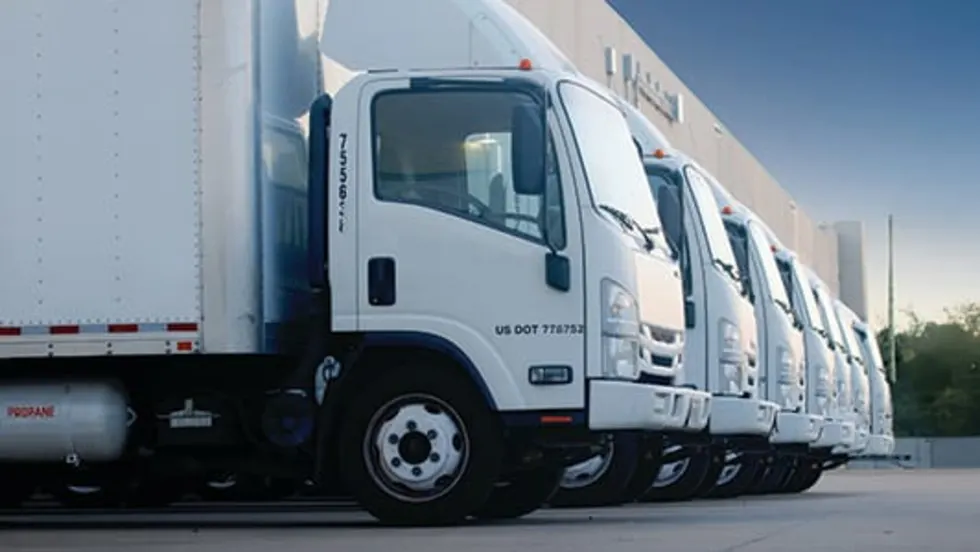
New Propane Autogas Program Offers Fleet Compensation
Qualified commercial fleets can receive $7,500 per eligible propane autogas vehicle and up to $10,000 for new refueling site prep. Learn how the program works and see whether your fleet qualifies.
Read More →
EV Charging Use Is Outpacing Infrastructure Growth
ChargePoint’s 2026 Charging Forward Report points to rising charger use, higher-powered charging, commercial vehicle electrification, and energy-management technology. Here’s what fleets should know.
Read More →
Merchants Fleet Reports 290M EV Miles as Fleets Navigate Changing Electrification Market
From millions in operating savings to hundreds of millions of EV miles, Merchants Fleet’s latest report reveals what’s working and what’s changing in fleet electrification.
Read More →
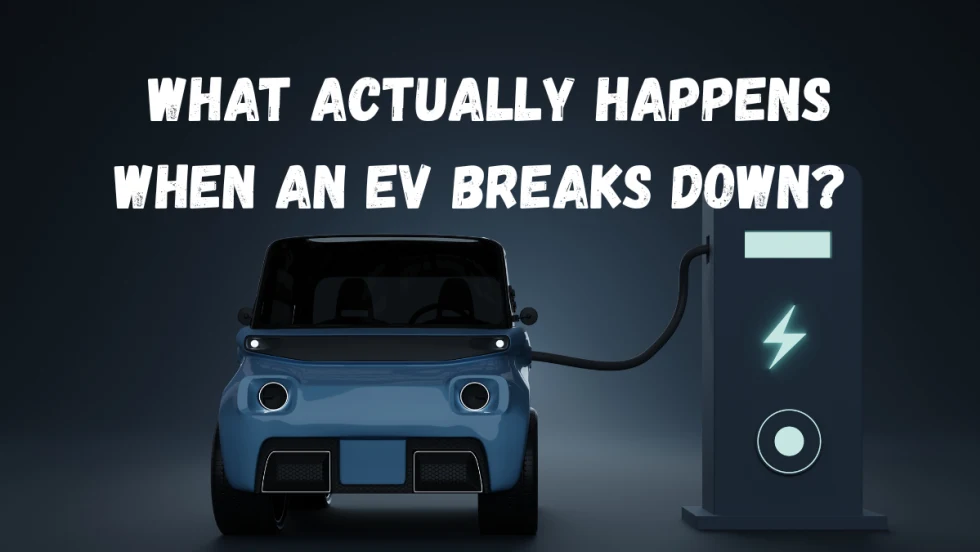
The EV Breakdown Nobody's Talking About: Why Most Electric Vehicle Roadside Calls Aren't Mechanical Failures
Here's why EV breakdowns are widely misunderstood.
Read More →
ChargePoint Now Available in Energy Pass
ChargePoint and additional planned charging network integrations were added to GM's Energy Pass.
Read More →

First Look: Slate Auto's Electric Fleet Pickup
Could an affordable, modular EV pickup make electrification more practical for fleets?
Read More →
Slate Debuts Colorful, Unique EV Models
A recent media and client event, studded with electric vehicles dressed up on platforms, planted a new position for the manufacturer in the wider EV market. Fleets will find cost-saving advantages.
Read More →
Slate Electric SUV, Pickup Switchable Model Aims For Light-Duty Fleets
Everything about this EV is counterintuitive and understated, making it stand out from the crowd.
Read More →
Inspiration Mobility Acquires Key Electrada Assets
Inspiration Mobility Group has acquired select assets of Electrada, adding the fleet electrification provider's team, technology, and charging infrastructure development capabilities to its energy management business.
Read More →