





Keep Reading! The Distractions You Can’t Turn Off: What Drivers Face Outside the Vehicle
Why Backing Up Causes So Many Crashes
Backing collisions are common and often preventable. Here’s why reversing is so difficult and what drivers can do to avoid costly mistakes.
March 12, 2018
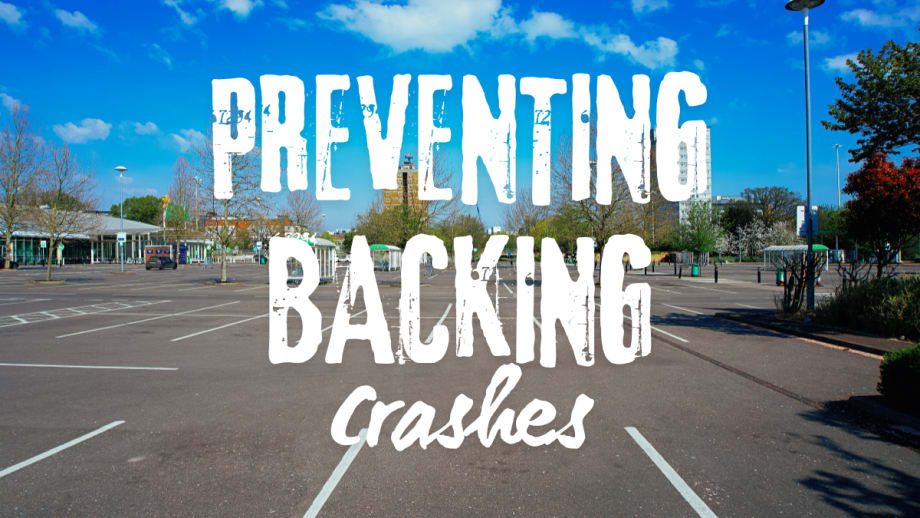
Backing crashes often happen in everyday places like parking lots. Slowing down, checking surroundings, and staying alert can help prevent them.
Credit: Automotive Fleet
2 min to read
- Backing collisions occur frequently and are often preventable with proper precautions.
- Reversing can be challenging due to limited visibility and spatial awareness.
- Drivers can reduce the risk of crashes by using mirrors, cameras, and maintaining awareness of their surroundings.
*Summarized by AI
Backing up seems simple until something goes wrong. In reality, backing collisions are surprisingly common, and in some cases, deadly. Even when no one is hurt, the damage can be expensive and inconvenient.
The National Highway Traffic Safety Administration has estimated that there are 500,000 backing crashes in the U.S. each year, resulting in more than 50,000 injuries and nearly 200 fatalities. According to safety experts, nearly all of these incidents are preventable.
So why is backing up so difficult?
It Goes Against Natural Steering Instincts
When driving forward, your hands are in front of you and your body naturally aligns with the direction you are traveling. When backing up and looking to the rear, steering can feel reversed and less intuitive.
That is why many drivers tend to overcorrect, moving the wheel back and forth until the vehicle lines up properly. Even once you regain control, steering in reverse is usually less precise.
The Rear Blind Zone Is Bigger
Every vehicle has blind zones, but the one behind the vehicle is often much larger than the one in front. That creates more room for hazards to go unnoticed, including:
- The edge of another vehicle
- Fire hydrants or poles
- Bicycles
- Children or pedestrians
If you cannot clearly see what is behind you, you should assume something could be there.
Vehicles Are Built to Move Forward, Not Backward
Cars are engineered to travel most safely and smoothly in forward motion. In reverse, they are simply harder to control.
For example:
- When driving forward, the steering wheel naturally returns toward center
- In reverse, the wheel does not self-correct the same way
- Suspension geometry that improves stability moving forward can make a vehicle less stable in reverse
- The faster you go backward, the harder the vehicle can be to control
How to Back Up More Safely
To reduce the risk of a backing collision:
- Walk around your vehicle before getting in to check what is behind it
- Turn and look directly out the rear window instead of relying only on mirrors
- Scan for pedestrians, vehicles, or movement around you
- Back up slowly, especially while turning
- Stop immediately if something does not look right
The Bottom Line
Backing collisions are common because reversing is less natural, visibility is worse, and vehicle control is reduced. That is exactly why drivers need to take extra care every time they shift into reverse.
A few extra seconds of caution can save a lot of damage, stress, and far worse.
Subscribe to Our Newsletter
More Safety

The Safest Fleets Aren’t the Ones with the Most Technology
You’ve made the telematics investment. Here’s how to capture the other half of its value and build the safest fleet on the road.
Read More →
Sponsored•August 7, 2026
Hidden in Plain Sight: Fleet Compliance Risks
Fleet compliance isn't just about having policies — it's about consistently enforcing them. This practical guide reveals six hidden compliance risks common in public sector and shared fleet operations and outlines proven strategies to improve visibility, accountability, and audit readiness
Read More →
NETS Sets 2026 Fleet Safety Benchmark Conference for Indianapolis
The Sept. 15–17 program will feature fleet benchmarking data, case studies, emerging technologies, and implementation strategies while running alongside the NSC Safety Congress & Expo.
Read More →
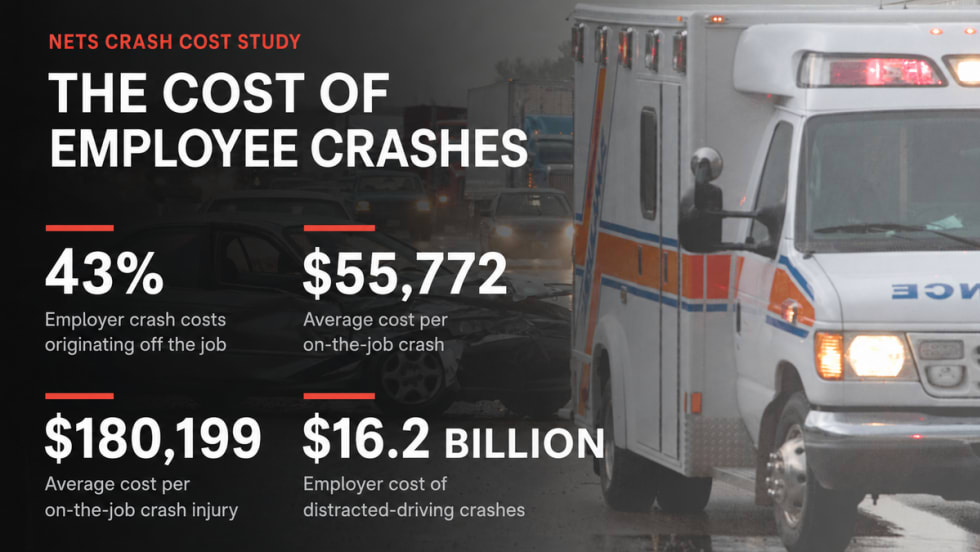
Off-the-Job Crashes Account for 43% of Employers’ $61.7 Billion Crash Burden
NETS quantifies costs dispersed across fleet, risk, HR, and other departments while providing new per-crash benchmarks for employers.
Read More →
Ram Recalls More Than 1.27 Million 1500 Pickups for Seat Belt Anchor Issue
The recall affects certain 2019-2026 Ram 1500 pickups that may have improperly attached second-row seat belt buckle anchors.
Read More →
Sponsored•July 17, 2026
How Better Visibility Cut Speeding Violations by 48%
Fleet leaders don't need more data, they need clearer visibility into what the data is saying. This case study explores how one utility replaced speeding-event counts with a single metric — miles driven in violation — to strengthen safety and significantly reduce speeding violations.
Read More →
Operation Safe Driver Week: Why the Industry's Oldest Safety Campaign Still Matters to Fleets
A look at how a 2007 enforcement initiative became one of the most consequential weeks on the fleet safety calendar, and what it means for your drivers in 2026.
Read More →
Nexar-Nauto Merger Aims to Give Fleets Better Safety Intelligence Through Larger Driving Dataset
Stefan Heck tells Automotive Fleet that combining more than 10 billion miles of driving history with Nexar's AI models will give fleets deeper insights into driver risk and roadway conditions than either company could provide independently.
Read More →
Sponsored•July 2, 2026
From Silos to Solutions: Relationship Management for Safer Fleets
From telematics adoption and driver accountability to policy consistency and risk mitigation, this episode breaks down what it really takes to build a safer fleet culture without slowing business down.
Read More →
IIHS Launches First Commercial Vehicle Safety Evaluations
The Insurance Institute for Highway Safety has begun evaluating heavy-duty pickups and cargo vans for driver protection. Which models earned top marks?
Read More →