




Ways to Prevent Vehicle Theft and Break-Ins
Fleet managers should factor in how often vehicle or cargo thefts occur in their operations before investing in additional security equipment for their vehicles.

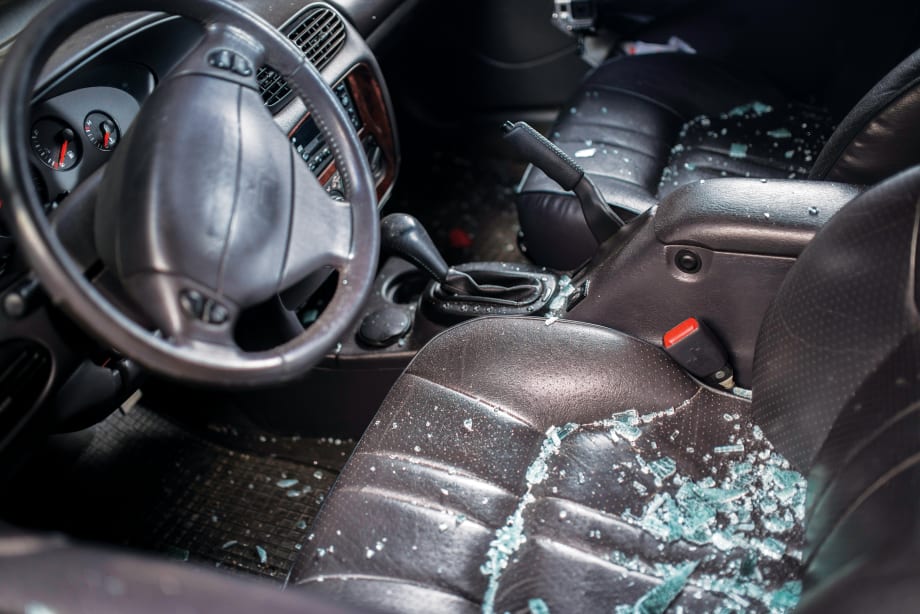
Photo courtesy of istockphoto.com
Photo courtesy of istockphoto.com
Fleet managers looking to prevent theft of fleet vehicles or cargo in their operations are likely aware of the more obvious security practices. This should include keeping valuable objects hidden from snooping criminals, and parking in secured areas, but fleets should go beyond the basics and actively think about vehicle security.
This is crucial because whether a vehicle is enticing or not is really all dependent on the perspective of the thief.
“Not much you can do to prevent a theft if a thief wants that car. There’s got to be something attractive about the car to the thief in the first place,” said Frank Scafidi, director of public affairs for the National Insurance Crime Burea (NICB).
NICB’s ‘Layered Approach’
The NICB offers what it calls the “Layered Approach” to protection, and can certainly apply to fleets. This four layered approach includes utilizing common sense (e.g. Locking your doors), a warning device (e.g. a visible or audible device that alerts thieves the vehicle is protected), immobilizing device (e.g. kill switches), and a tracking device.
Indeed, noting the “warning device” layer to the approach, Scafidi said doing something as simple as adding a security club to the steering wheel can help deter thieves. He said fleets operating in urban environments may want to consider investing in this, or aftermarket security equipment, such as GPS tracking and LoJack services.
However, before investing into safety services and products intended to improve fleet asset security, the fleet manager should consider if any of the equipment is necessary his or her operation.
“You can waste a lot of money hardening your fleet that might be several hundred vehicles, when you really only have to worry about those that are going certain routes with certain products, you might then tailor some of the fleet and restrict some of those high risk areas to a number of vehicles that only run that route,” said Scafidi.
In addition to considering the safety of a given fleet route, Scafidi suggested fleets consider how if the company brand’s itself on its vehicles. Might a thief assume that your fleet’s vehicles carry valuable cargo? If so, what are the conditions of the routes that these loads of cargo taking?
“Depending on what they are advertising, that can be an attractive target for thieves who may want to break in. This is more difficult to prevent, especially if a delivery fleet is overnighting cargo,” he said. “Fleets who do not have a secure road network, they might want to investigate facilities on their route where they can have secured place for a vehicle to park.”
Other Security Considerations
Another important thing to note is the scale of how much thought thieves may place into their crimes.
“These bad guys definitely do some homework on knowing what’s built where and where it ships,” he said. “The more sophisticated thieves will take up surveillance and come out with a schedule and know when a rig is loaded with what, whether it’s a small van or mid-size truck.”
Tracking assets through telematics or services such as LoJack can help eliminate this concern.
Also, looking internally, fleets should consider their drivers. Especially if fleets have vehicles used for personal use. Properly educating drivers on proper security etiquette, regardless of when they drive, is essential, said Scafidi.
“When people are working, they may have a certain mindset, but when they go on vacation in their business car, they may be a little more lax about security and worry less about securing the vehicle,” he said. “We want to try to educate people to take precaution no matter where you are with a vehicle.”
More Safety

Nexar-Nauto Merger Aims to Give Fleets Better Safety Intelligence Through Larger Driving Dataset
Stefan Heck tells Automotive Fleet that combining more than 10 billion miles of driving history with Nexar's AI models will give fleets deeper insights into driver risk and roadway conditions than either company could provide independently.
Read More →
Don't Wait for a Crisis: 5 Ways to Build Mental Health Into Your Fleet Safety Program
For Suicide Prevention Month, fleet and safety leaders have an opportunity to put mental health where it belongs: at the center of workplace safety.
Read More →
How Camera Data Can Strengthen a Fleet’s Insurance Renewal
Insights from a commercial insurance carrier and a broker show how fleets can turn video telematic data, driver coaching, and improved claims results into a stronger case at insurance renewal.
Read More →
The Safest Fleets Aren’t the Ones with the Most Technology
You’ve made the telematics investment. Here’s how to capture the other half of its value and build the safest fleet on the road.
Read More →
Hidden in Plain Sight: Fleet Compliance Risks
Fleet compliance isn't just about having policies — it's about consistently enforcing them. This practical guide reveals six hidden compliance risks common in public sector and shared fleet operations and outlines proven strategies to improve visibility, accountability, and audit readiness
Read More →
NETS Sets 2026 Fleet Safety Benchmark Conference for Indianapolis
The Sept. 15–17 program will feature fleet benchmarking data, case studies, emerging technologies, and implementation strategies while running alongside the NSC Safety Congress & Expo.
Read More →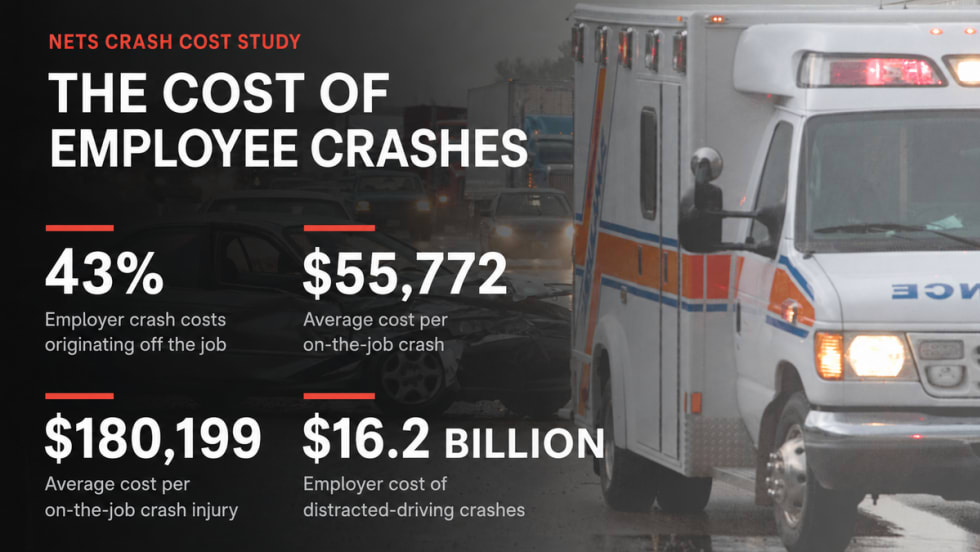
Off-the-Job Crashes Account for 43% of Employers’ $61.7 Billion Crash Burden
NETS quantifies costs dispersed across fleet, risk, HR, and other departments while providing new per-crash benchmarks for employers.
Read More →
Ram Recalls More Than 1.27 Million 1500 Pickups for Seat Belt Anchor Issue
The recall affects certain 2019-2026 Ram 1500 pickups that may have improperly attached second-row seat belt buckle anchors.
Read More →
How Better Visibility Cut Speeding Violations by 48%
Fleet leaders don't need more data, they need clearer visibility into what the data is saying. This case study explores how one utility replaced speeding-event counts with a single metric — miles driven in violation — to strengthen safety and significantly reduce speeding violations.
Read More →
Operation Safe Driver Week: Why the Industry's Oldest Safety Campaign Still Matters to Fleets
A look at how a 2007 enforcement initiative became one of the most consequential weeks on the fleet safety calendar, and what it means for your drivers in 2026.
Read More →