




Verizon Rolls Out Telematics Solution On 18,000 Vehicles
After a successful pilot program, the communications fleet is performing a wide-scale adoption of telematics technology.

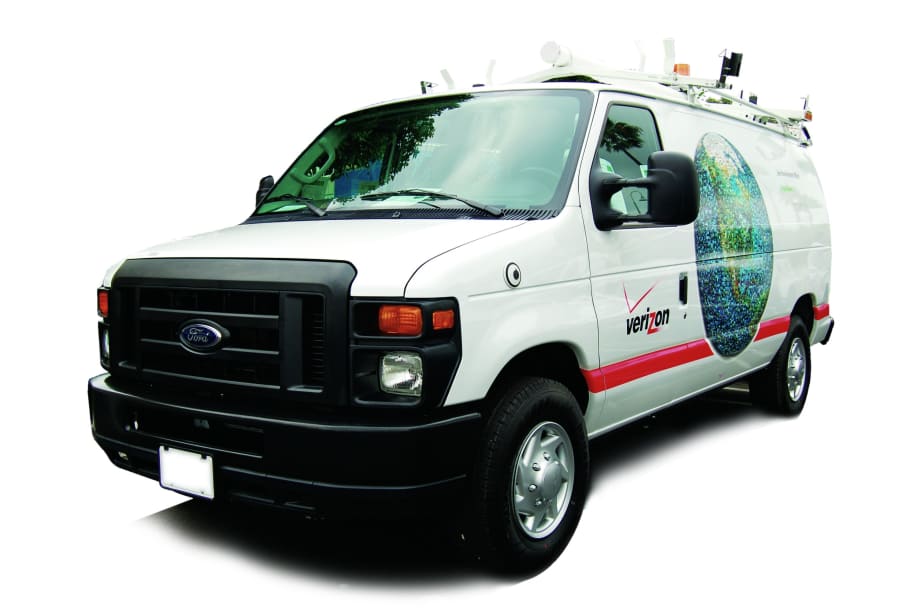
Verizon is implementing a telematics solution on 18,000 of its fleet vehicles, including its cargo vans. Photo courtesy Verizon.
Verizon is implementing a telematics solution on 18,000 of its fleet vehicles, including its cargo vans. Photo courtesy Verizon.
Verizon is implementing a telematics solution in 18,000 of its fleet vehicles and plans to complete the rollout by the end of 2013.
Verizon’s service fleet supports its fiber optics and wireless networks and its customers. To manage its diverse fleet, Verizon decided to move ahead with implementing Networkfleet’s technology after it purchased auto industry supplier Hughes Telematics (which owns Networkfleet) in July 2012.
“Managing fleet assets is challenging by nature; with periodic mileage collection, ensuring the vehicle remains healthy between services, and making sure the vehicle’s use warrants the capital investment are just a few key factors where the Networkfleet solution will provide benefits,” said Ken McKenney, fleet sustainability program manager for Verizon. “Additionally, Verizon expects the implementation to increase productivity and cost efficiencies and help further reduce emissions as part of our corporate sustainability goal of decreasing our carbon footprint.”
The company’s goals for the new system are wide-ranging: ensuring fleet assets are properly utilized and improving the vehicle’s drivetrain with real-time fault code alerts.
With this wide range and large number of assets to manage, McKenney said the company didn’t just start using Networkfleet right away. It ran a pilot program in New York City, where it installed the Networkfleet 5500 device with onboard diagnostic capabilities in 260 vehicles, primarily Class 2-4 vehicles, along with a small group of heavy-duty logistics trucks.
Once the company completed the pilot, it made the decision to move forward with the broader rollout.
Many telematics solutions provide fleet managers and their employers with large amounts of data, and it’s no different with Verizon. The company plans to make use of specific key performance metrics to help optimize routing, reduce idling, and improve utilization.
“Safe operation and reducing fuel consumption and emissions, while maintaining the company’s world-class networks and servicing our customers, is key,” he said. “The immediate focus will be on unnecessary idling, followed by a review of rightsizing the vehicle for the evolving needs of the business for efficiencies.”
Training and changes to employee roles and responsibilities come with any new company-wide technology implementation. McKenney said the system will be transparent to the company’s drivers and therefore Verizon won’t require any more telematics-specific training for them. The primary employees using the Networkfleet system will be its driver management team, fleet operations management team, and safety organization.
Looking beyond Verizon’s fleet, McKenney didn’t offer specifics on future plans for Networkfleet’s technology, but reaffirmed the company’s commitment to the platform and its commitment to the marketplace.
“Verizon is committed to innovating in the machine-to-machine and telematics market,” McKenney said. “Networkfleet, and solutions like it, represent our vision for the market. The fleet management space is a tremendous opportunity for Verizon and we will continue work with our ‘ecosystem’ of partners to serve this growing market.”
The Verizon fleet includes Class 2-4 vehicles, such as cargo vans, chassis cab models with different utility beds and boxes, and light aerial trucks. Other models include sedans used by management and Class 5-8 heavy-duty trucks with aerials and digger derricks, plus Class 7-8 box trucks and tractor-trailers. With regard to vehicle makes, the fleet is a mix of Dodge, Ford, GM, Honda, and Toyota models on the light-duty side and Freightliner and International models on the heavy-duty side.
More Telematics
Element Expands Waymo Partnership to Support Toronto Robotaxi Fleet
As Waymo prepares to enter the Canadian market, Element Fleet Management will oversee the fleet operations supporting its planned Toronto launch. The partnership highlights the maintenance, charging, and infrastructure requirements behind operating autonomous vehicles at scale.
Read More →
GM Launches OnStar Fleet Intelligence Platform With AI Assistant
The new platform brings vehicle data, order tracking, connected services and fleet analytics into one system, with an AI assistant that can answer fleet questions using natural-language prompts.
Read More →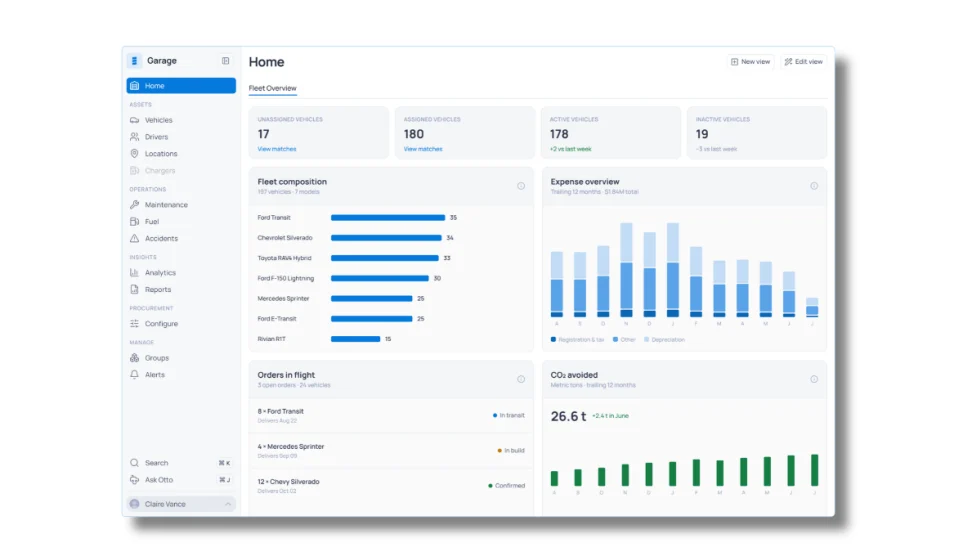
Inspiration Fleet Introduces Garage 2.0 Fleet Intelligence Platform
Fleet managers increasingly have access to data from vehicles, telematics, fuel, charging, and other systems, but those sources don't always communicate with one another. Inspiration Fleet's Garage 2.0 platform brings that information together while letting fleets keep working with different technology and service providers.
Read More →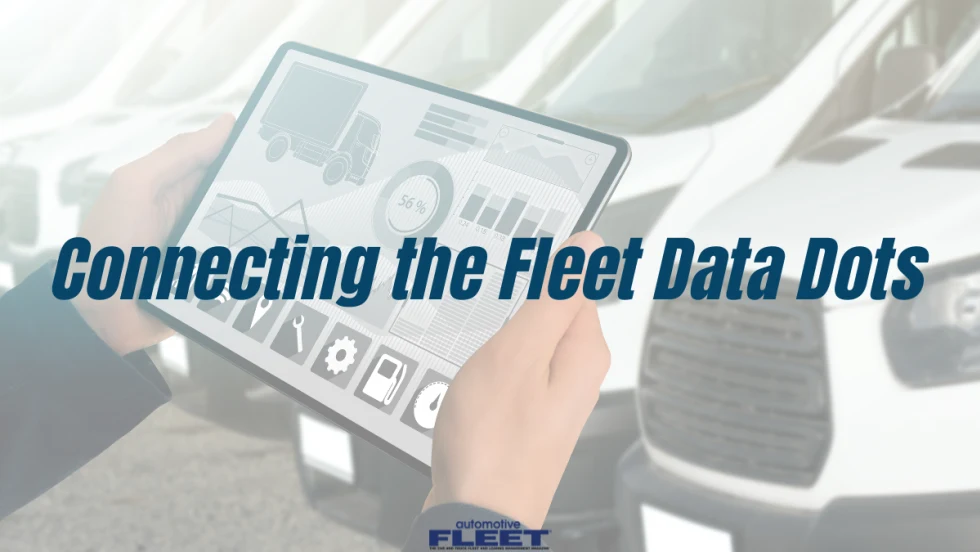
Inside Inspiration Fleet’s New Platform for Connecting Fleet Data
Inspiration Fleet CTO Chris Getner explains how the new Garage 2.0 platform is designed to connect disparate fleet data and what that could mean for fleet managers in practice.
Read More →
Fleet Manager’s Ultimate Playbook: Navigating the New Standard in OEM Connectivity
Rising operating costs, driver safety concerns, and unplanned downtime are putting unprecedented pressure on modern fleets. Discover how fleet managers use embedded OEM connectivity and real-time vehicle data to cut TCO, prevent downtime, and protect drivers without aftermarket telematics hardware.
Read More →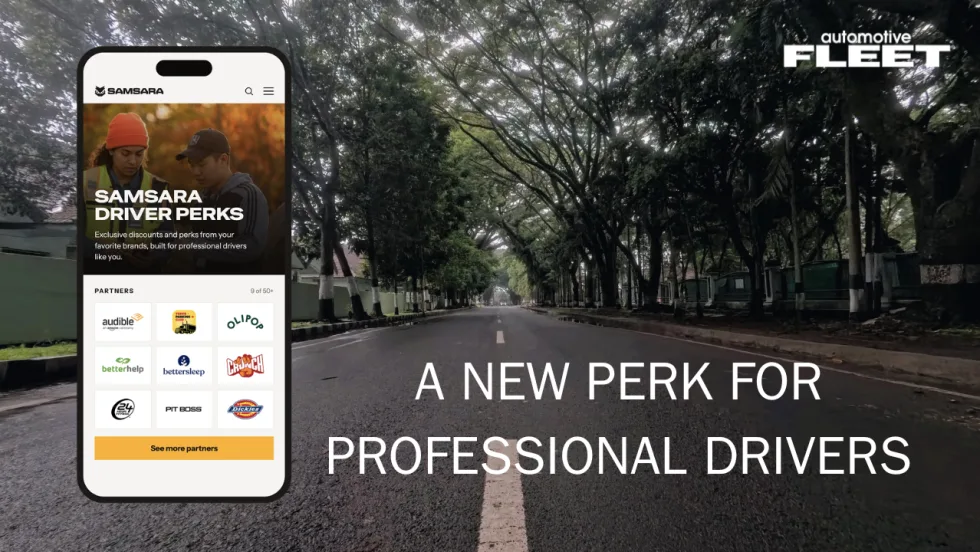
Samsara Driver Perks Adds New Benefit for Corporate Fleet Drivers
The rewards program gives eligible professional drivers access to discounts from more than 50 brands while giving fleets another way to support recruitment, retention, and the driver experience.
Read More →
Inside the Church of Jesus Christ of Latter-day Saints’ Two-Track Telematics Strategy
With 20,000 vehicles and two fundamentally different driver populations, the Church faced a fleet management problem that a single telematics program couldn't solve. How it responded offers a replicable framework for any fleet where one size doesn't fit every driver.
Read More →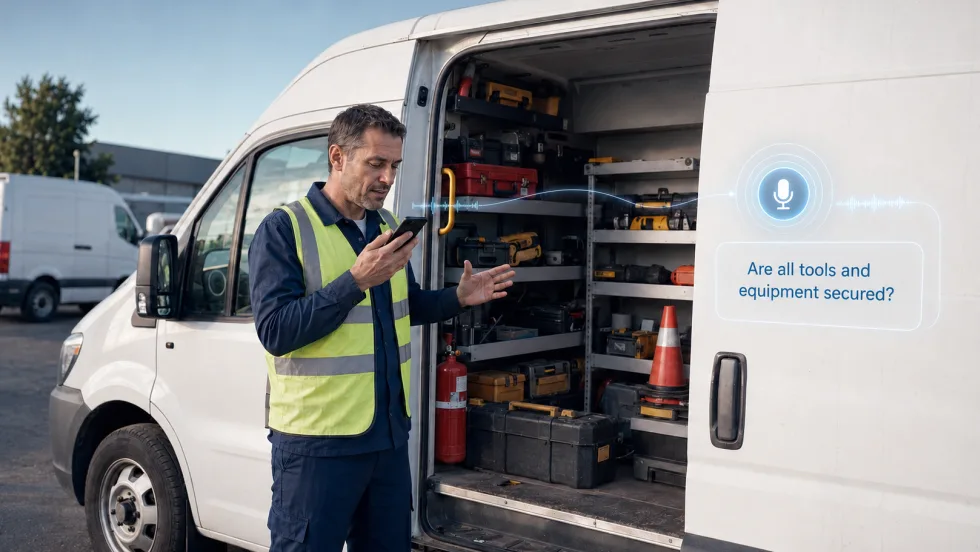
How Conversational AI Can Make Fleet Tasks Easier for Drivers
While most generative AI tools help fleet managers interpret data at their desks, Connex2X is applying voice interaction to tasks behind the wheel.
Read More →
Why Fleets Are Creating Dedicated Fleet Analyst Positions
Are fleet analyst positions the new norm? Listen here to find out.
Read More →
Teletrac Navman Begins Next Chapter as Standalone Private Company
What's new with Teletrac Navman and its new owner?
Read More →