





Further Reading: The Upside to In-house Fleet Services
Vehicle Preservation Strategies Become More Prevalent
The difficulty sourcing replacement vehicles has forced many fleets to adopt a “fleet preservation” strategy to mitigate the impact of operating higher-mileage vehicles that remain in service beyond their normal replacement cycle.
June 29, 2022
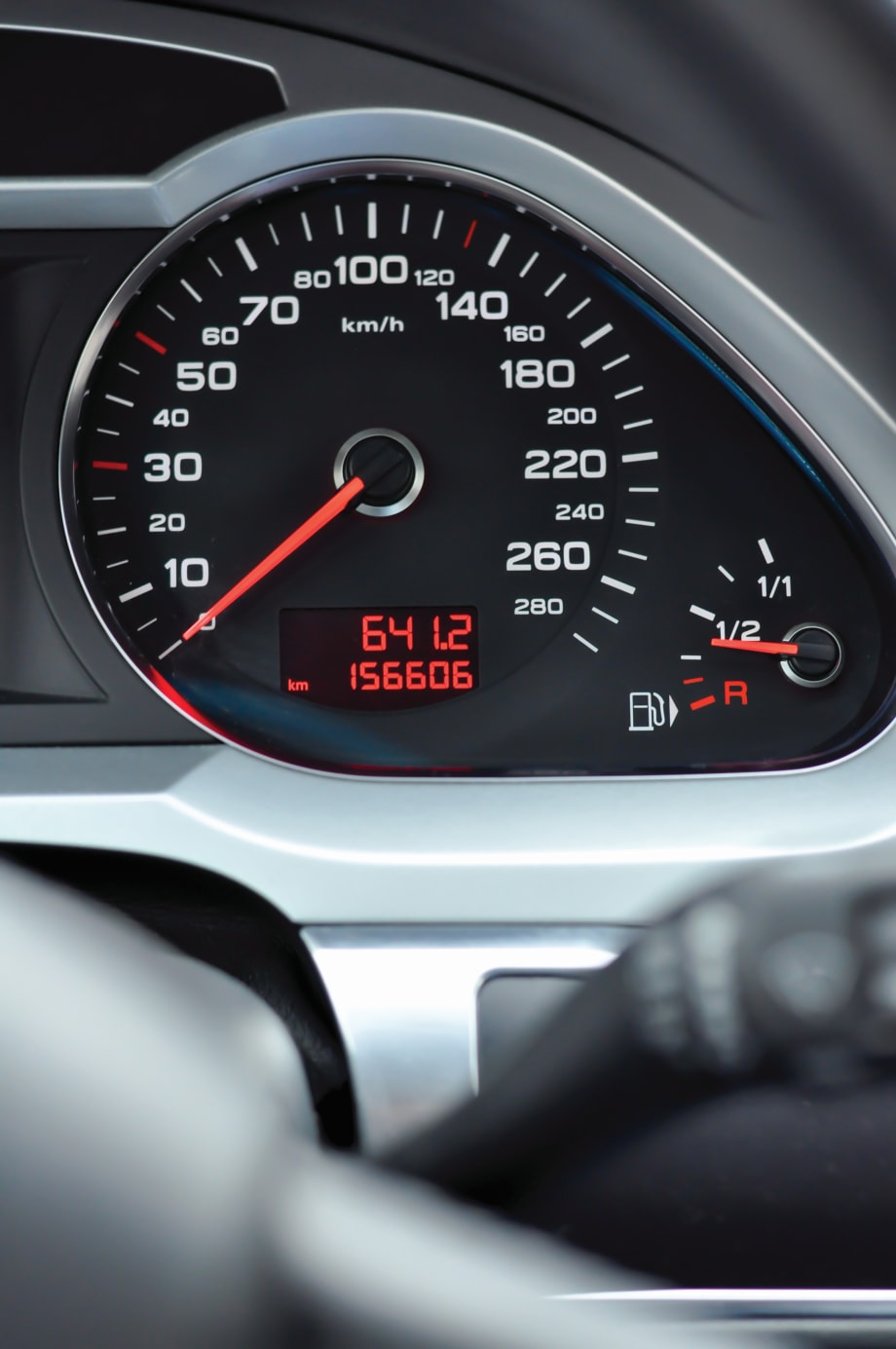
A typical fleet vehicle averages 20,000 - 24,000 miles per year.
Photo: Gettyimages.com/adrian825
3 min to read
The industry rule of thumb has been to replace fleet vehicles before the trend line for operating costs exceeds those of fixed costs. But what happens when you can’t source replacement vehicles as we’ve experienced for the past several years due to supply chain constraints?
Today, combined retail and fleet demand continues to exceed production capacity for many high-demand models resulting in early order cut-offs. This has reduced inventory on dealer lots that limits out-of-stock purchasing options.
All these factors have forced many fleets to extend vehicle service lives beyond the time a vehicle normally would be scheduled to be replaced. With the typical fleet vehicle averaging 20,000-24,000 miles per year, a missed replacement cycle means that a vehicle that normally would have been replaced at 70,000 miles now might not be replaced until it reaches 90,000 or more miles.
As we know from numerous operating cost studies, higher-mileage vehicles tend to have a greater frequency of unscheduled maintenance incidents that typically involve longer downtime due to more extensive repairs. Plus, a longer service life adds to the total lifecycle cost of a vehicle because its extended odometer mileage invariably puts it in a position where it has to replace key wear items, such as tires and brakes.
This dilemma has forced many fleets to adopt a “fleet preservation” strategy designed to mitigate the negative impact of operating higher-mileage vehicles that remain in service beyond their normal replacement period and focus on:
Strict PM compliance.
Route optimization to avoid unnecessary miles.
Idling restrictions to minimize engine hours and wear and tear.
Increased focus on driver behavior to minimize vehicle misuse to reduce a vehicle’s wear-and-tear.
A Four-Part Strategy
Driver PM Compliance: The foundation of a fleet preservation strategy is enforcing driver compliance to preventive maintenance schedules to extend vehicle longevity and to decrease unscheduled repairs by identifying problems early before major issues occur.
Minimize Misuse of Vehicles: The second focus of a fleet preservation strategy is to ensure a driver does not operate a vehicle outside its normal driving parameters. The best way to do this is to keep a laser focus on monitoring driver behavior. Ask yourself why one driver can make a set of tires last 50,000 miles while another driver replaces tires every 20,000-30,000 miles on the same make and model of vehicle? The same is true with other wear items such as brakes. When this occurs, it is typically the result of aggressive driving behavior, which you need to monitor and modify.
Reduce Engine Hours: The third component of a fleet preservation strategy is to reduce odometer miles and engine hours. Another fleet preservation strategy is to reduce unnecessary idling to minimize engine hours, which helps to avoid needless engine wear-and-tear. If drivers follow a set route during the workday, then you should focus on route optimization to minimize unnecessary mileage.
Simplify Vehicle Specs: The most important component of a fleet preservation strategy, however, is to develop a new-vehicle acquisition plan designed to simplify vehicle specifications and increase the likelihood of successfully sourcing replacement units by expanding sourcing options. When you simplify your vehicle specifications in terms of vehicle color, options, or trim levels, it will increase the number of available models from which to consider for your selector, across a wider range of OEMs. When vehicle specs are streamlined, it helps expedite the upfit process and reduce order-to-delivery times.
In the final analysis, the principles of a fleet preservation strategy are simply practicing good fleet management skills.
Subscribe to Our Newsletter
More Operations
Sponsored•October 14, 2026
A buyer's guide to fleet management software in 2027
Buying fleet management software in 2027 means looking beyond features and price. As fleet operations, technology and expectations evolve, this guide explores what today’s fleet professionals should consider when choosing a system that can deliver value now and adapt to what comes next.
Read More →
What Will Shape the Next Era of Fleet Management?
EVs, AI, and autonomous vehicles are reshaping fleet management. Discover what’s ahead—and how fleet leaders can prepare for the next era.
Read More →
How Fleets Can Recruit and Train Veterans for Technician Roles
Here's how the technician shortage has affected uptime for fleets, and what to do about it.
Read More →

Avis Budget Group Deploys Neology Toll Management Technology Across Major Brands
Neology’s neoFleet platform will manage toll transactions and toll-authority operations for vehicles across Avis, Budget, Payless, Budget Truck and Zipcar.
Read More →
Fleet Personal-Use Charges Edge Higher in 2026
Nearly eight in 10 surveyed fleets allow personal use of company vehicles, while just over half of respondents report charging employees for the privilege.
Read More →
The Future of Fleet + What’s Changing Right Now | AF News Recap
Could developments overseas offer a preview of what’s coming for U.S. fleets? This week, we’re looking at the future of AI, autonomy, and electrification, plus Ford Pro’s new certified pre-owned program, smarter vehicle offboarding, and a new way for fleets to manage toll expenses.
Read More →
How to Handle Vehicle Offboarding
What do fleet managers need to do when a driver leaves?
Read More →
Sponsored•October 1, 2026
Fleet Manager’s Ultimate Playbook: Navigating the New Standard in OEM Connectivity
Rising operating costs, driver safety concerns, and unplanned downtime are putting unprecedented pressure on modern fleets. Discover how fleet managers use embedded OEM connectivity and real-time vehicle data to cut TCO, prevent downtime, and protect drivers without aftermarket telematics hardware.
Read More →
U.S. Bank Adds Verra Mobility Toll Management to Voyager Fleet Platform
The integration allows U.S. Bank Voyager fleet customers to manage toll payments and violations alongside fuel, EV charging and maintenance expenses.
Read More →
ADAS Prevents Crashes. But Repairs Cost More | AF News Recap
ADAS-equipped vehicles may crash less often, but they can cost more when they do. This week, we’re breaking down what that tradeoff means for fleets, plus Subaru’s first Forester Wilderness Hybrid, Nissan’s new e-POWER Rogue, and why Calstart has become Catalyst Mobility.
Read More →