




Using Fleet Vehicles to Reward Employees
Companies are using ‘premium’ vehicles or upgraded vehicle trim and equipment levels to recognize employee performance. One key to successful rewards programs is a clearly defined rewards policy.
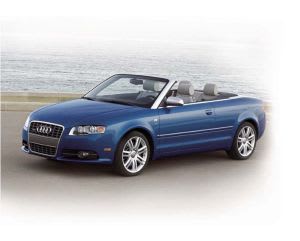
Many companies have reward programs for their executives and top sales performers. Exotic trips and bonuses are usually the norm for these highachievers. To retain top sales performers or executives, some companies are now recognizing top performance by rewarding these individuals with a special reward or perk — a complimentary “premium” fleet vehicle.
Craig Cheatle, corporate sales manager for Audi of America, has seen a rise in recent years in the number of companies that have ordered fleet vehicles as a reward for exceptional performance. “The Audi A4 has been a perfect fit for clients who are looking for something different and from an import,” said Cheatle.
Clearly State Policies
Corporate recognition and rewards policies vary widely. These policies must be administered and reviewed constantly. Whether using a tiered level of vehicles based on the individual’s position in the company or his or her physical location, the policy should be clearly stated. Determining the level of compensation the company provides top performers must be spelled out in detail. In addition, the
blessing of all pertinent department heads should be secured. Not only is job performance considered for these rewards, but also the driving safety record of the individual. A “star” individual should not qualify for a reward if his or her driving record is poor; incurring moving violations and/or avoidable accidents. The costs
(repairs, downtime, insurances, etc.) associated with these violations and/or accidents must be balanced against the “star’s” performance.
Trim & Vehicle Upgrades Offered
My former company rewarded eligible drivers with upgraded equipment, e.g., moving to a XLT package on a Ford Explorer from an XL package or giving the driver a leather package instead of cloth on their next replacement vehicle.
Margaret Persad, manager of fleet, North America for Tupperware Corporation, states, “We have certain sales levels our independent sales contractors must meet and maintain to be rewarded with a ‘complimentary’ vehicle. At each sales level, they have contractually stated that a certain model from their selector list is available. Tupperware pays for the insurance, licensing, and registration of the vehicle as long as that sales level is maintained.” Choices range from the Pontiac G6 to the Cadillac Escalade.
A pharmaceutical company in the Northeast rewards the top 2 percent of its sales representatives with an upgraded car from their selection list, which includes several import-badged models.
Whether an import car, a domestic SUV, or upgraded equipment, rewards and recognition programs are non-traditional perks working well for U.S. companies.
More Operations

Turning Connected Vehicle Data Into Decisions That Matter
Fleet leaders have more data than ever, but turning that data into clear, actionable decisions remains a challenge. This white paper shows how leading organizations are using connected vehicle data to improve safety, reduce costs, and optimize fleet performance. Learn how to turn insight into action across your fleet.
Read More →
Cameras, Safety and Insurance: From Reactive Claims to Real-time Prevention
Commercial auto remains one of the most challenging and costly lines of coverage for fleet operators and insurers alike. Learn more about how to effectively address these issues from Onur Aksan, Enterprise Business Development Executive, Geotab.
Read More →
Are You Tracking Your Fleet's True Total Cost of Ownership?
Bobit Business Media surveyed 190 fleet professionals and found that while most fleets are tracking costs, fragmented systems and data gaps are keeping true TCO visibility out of reach. With rising pressure to control spend in an increasingly volatile environment, the gap between what fleets think they know and what the data actually shows is wider than you might expect. See how your peers are managing costs today and where the industry still has room to improve.
Read More →
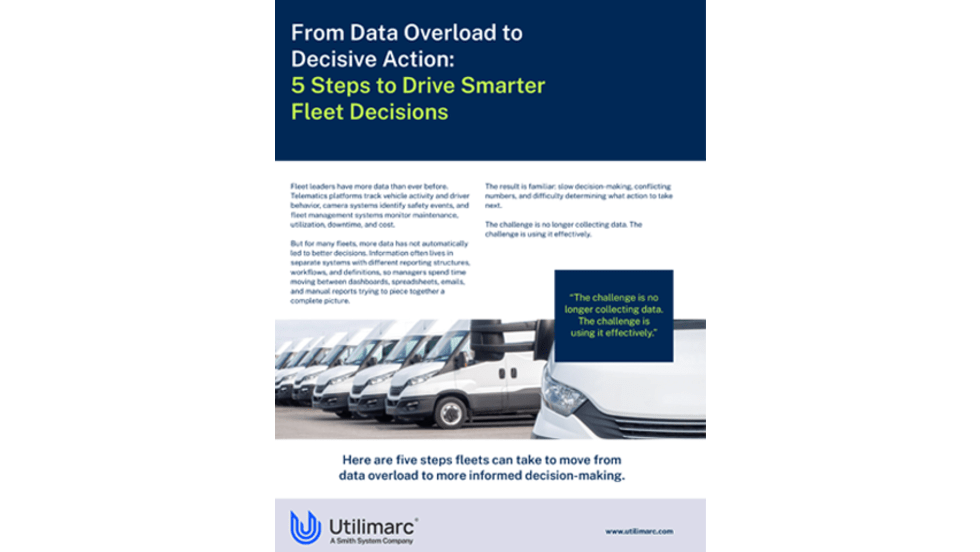
Turn Fleet Data Into Smarter Decisions
Fleet leaders have access to more operational data than ever, but disconnected systems and unclear metrics often slow decision-making instead of improving it. This article outlines five practical steps fleets can take to transform fragmented data into actionable insights that improve planning, safety, utilization, and long-term performance.
Read More →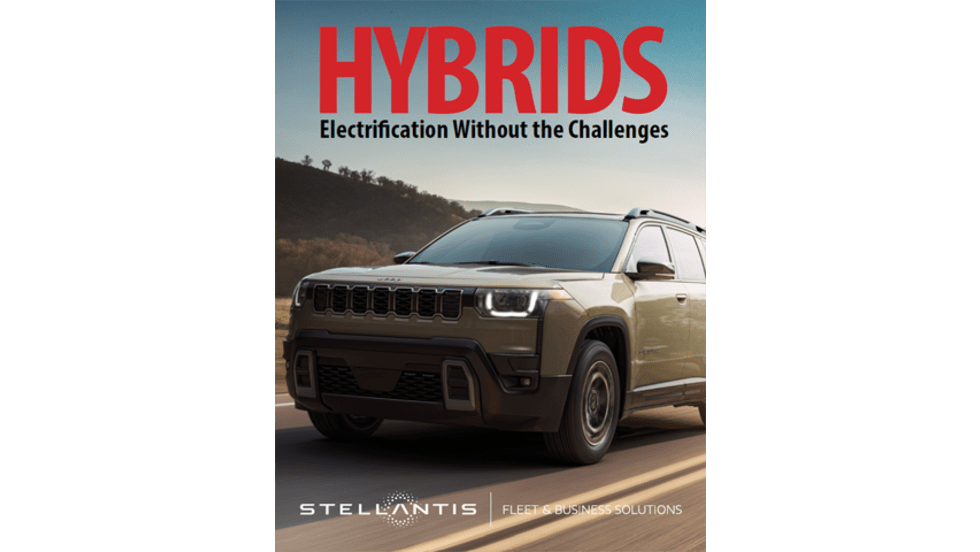
Hybrids: Electrification Without the Challenges
For fleet managers, fuel is one of the biggest line items in the budget — and it's one hybrids can shrink without changing how your people work. Download the eBook to see the numbers, understand the technology, and get a step-by-step guide to making the switch.
Read More →
How NOV Uses Telematics to Improve Fleet Safety Across 160 Locations
James Victory of NOV discusses how the company manages fleet safety, maintenance, and telematics across more than 150 locations supporting oilfield operations throughout the U.S.
Read More →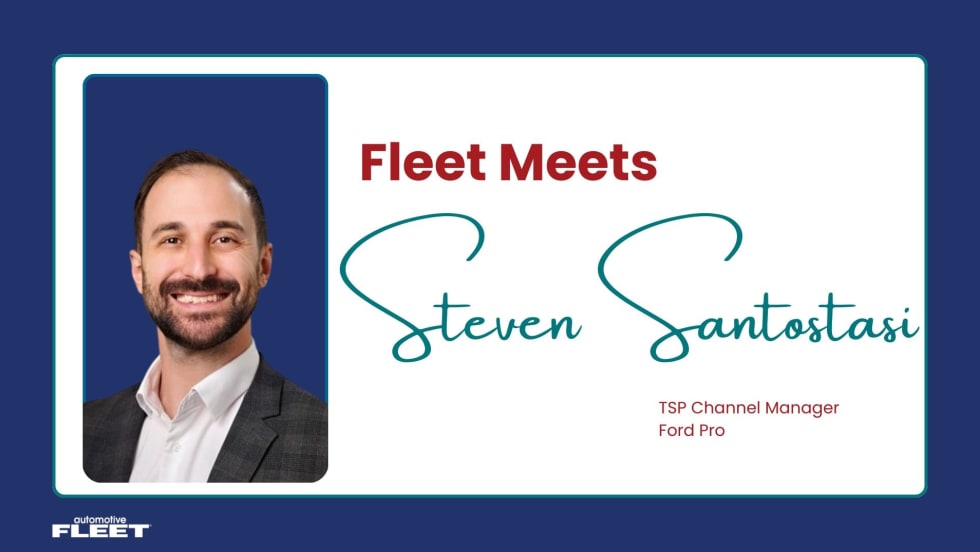
Fleet Meets: Steven Santostasi
This edition of the Fleet Meets series features Steven Santostasi, the current TSP channel manager for Ford Pro.
Read More →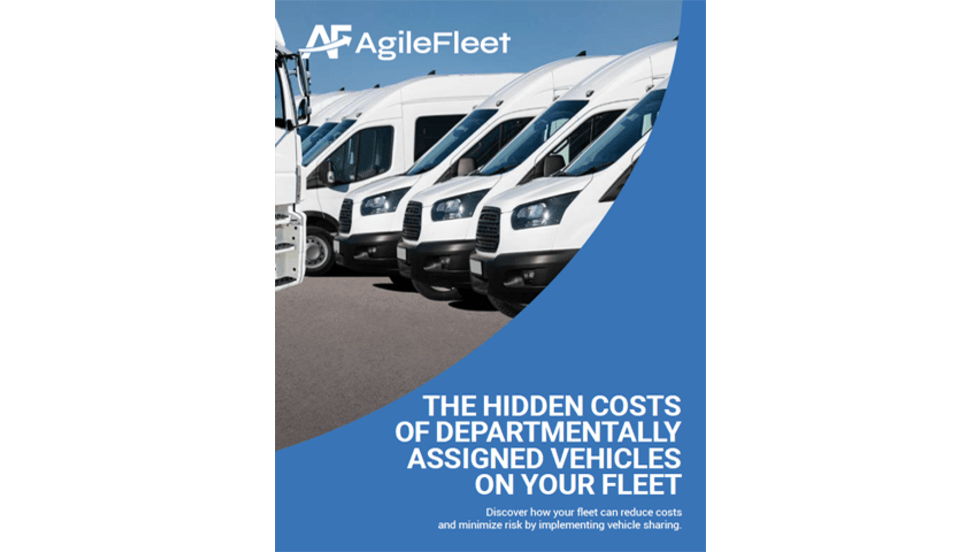
Why Fleet Managers Are Replacing Departmental Vehicles with Shared Motor Pools
Departmentally assigned vehicles often create hidden costs through underutilization, poor visibility, and increased administrative burden. This white paper explores how shared motor pool strategies help fleets reduce costs, improve accountability, and optimize vehicle utilization.
Read More →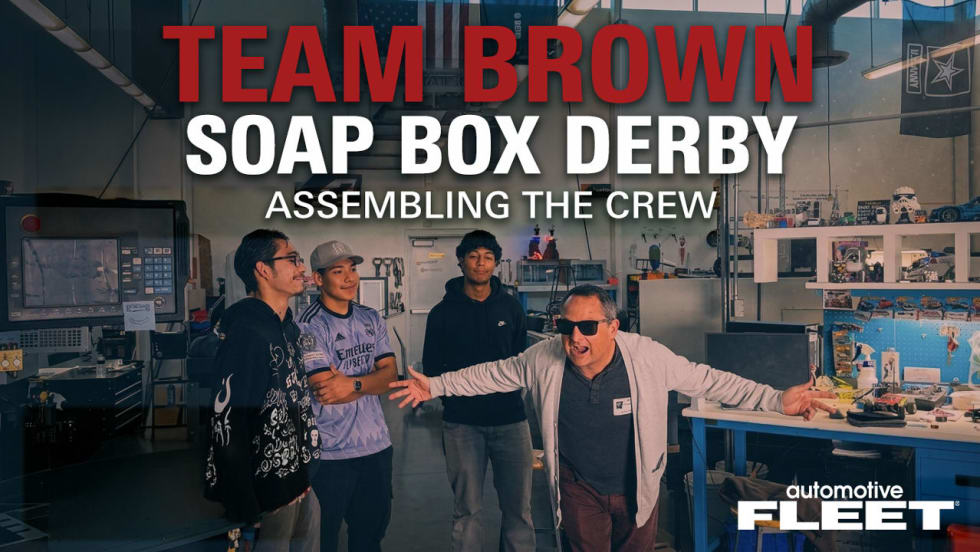
Soap Box Derby Challenge: Assembling the Crew
Meet Gabriel, Matthew, and Angel — the team helping bring this soap box derby build to life.
Read More →
BBL Fleet Acquires Velcor Leasing Corporation
BBL Fleet expanded its footprint in the fleet management industry with the acquisition of Velcor Leasing Corporation of Madison through a stock purchase agreement finalized Feb. 27, 2026.
Read More →