




Using Cellular Phones Increases Accident Risk
Cellular phone usage while driving can cause as much risk to others as drunk driving. Here are the top 10 safe-driving tips for cellular users.
Cellular phones have revolutionized the way Americans conduct business. Typically long commutes have been transformed into productive work time.
The problem is, many drivers have been paying too close attention to “closing the big deal” and not enough attention to the road. The problem of cellular phone-related accidents has become so significant, a number of studies have been conducted to assess the situation.
A study by Canadian researchers reported in the New England Journal of Medicine likened the dangers of talking on a cell phone behind the wheel to driving while drunk.
According to a 1998 report by the National Highway Traffic Safety Administration (NHTSA), “An Investigation of the Safety Implications of Wireless Communications in Vehicles,” cars driven by people talking on a cell phone were more likely to be the striking vehicle in an accident. And more than dialing, talking on a cellular phone is the major distraction in cellular-related crashes, while being startled by an unexpected call was also reported as a factor.
Even though the NHTSA report shows statistics are limited concerning cellular phone-related accidents, it concludes cellular phones, in fact, increase the likelihood of drivers getting in accidents.
One company, Ameritech Cellular, introduced its “Keep Your Mind on the Drive” public-service campaign. The following 10 tips should help drivers stay safe while talking on their cellular phones.
Motorists should focus complete attention on the road.
Avoid talking on the phone in congested areas or in bad weather. Exit the highway, if necessary, to dial or complete a conversation.
In heavy traffic or hazardous conditions, let your voice messaging service take the call. Check and return your messages after locating an accessible exit or rest area.
If you can’t safely exit the highway, stay in the slow lane and pay particular attention to the traffic conditions when phoning. Better yet, have a passenger dial.
Don’t take notes while driving. If you need to write one, pull over.
Use your hands-free speakerphone and speed dialing functions whenever possible. Keep both hands on the wheel.
Be familiar with your phone’s keypad. Use the speed-dial functions whenever possible to minimize dialing time. If possible, add voice-activated dialing to your phone.
"Keep your mind on the drive” at all times.
Keep the phone in the holder when not in use. That way it won’t pop out and distract you while driving.
Know when to stop talking. Keep conversations brief so you can concentrate on driving. If a long conversation is required, if a topic is stressful or emotional, or if driving becomes hazardous, end your call, and continue when not in traffic.
More Safety

Nexar-Nauto Merger Aims to Give Fleets Better Safety Intelligence Through Larger Driving Dataset
Stefan Heck tells Automotive Fleet that combining more than 10 billion miles of driving history with Nexar's AI models will give fleets deeper insights into driver risk and roadway conditions than either company could provide independently.
Read More →
Don't Wait for a Crisis: 5 Ways to Build Mental Health Into Your Fleet Safety Program
For Suicide Prevention Month, fleet and safety leaders have an opportunity to put mental health where it belongs: at the center of workplace safety.
Read More →
How Camera Data Can Strengthen a Fleet’s Insurance Renewal
Insights from a commercial insurance carrier and a broker show how fleets can turn video telematic data, driver coaching, and improved claims results into a stronger case at insurance renewal.
Read More →
The Safest Fleets Aren’t the Ones with the Most Technology
You’ve made the telematics investment. Here’s how to capture the other half of its value and build the safest fleet on the road.
Read More →
Hidden in Plain Sight: Fleet Compliance Risks
Fleet compliance isn't just about having policies — it's about consistently enforcing them. This practical guide reveals six hidden compliance risks common in public sector and shared fleet operations and outlines proven strategies to improve visibility, accountability, and audit readiness
Read More →
NETS Sets 2026 Fleet Safety Benchmark Conference for Indianapolis
The Sept. 15–17 program will feature fleet benchmarking data, case studies, emerging technologies, and implementation strategies while running alongside the NSC Safety Congress & Expo.
Read More →
Off-the-Job Crashes Account for 43% of Employers’ $61.7 Billion Crash Burden
NETS quantifies costs dispersed across fleet, risk, HR, and other departments while providing new per-crash benchmarks for employers.
Read More →
Ram Recalls More Than 1.27 Million 1500 Pickups for Seat Belt Anchor Issue
The recall affects certain 2019-2026 Ram 1500 pickups that may have improperly attached second-row seat belt buckle anchors.
Read More →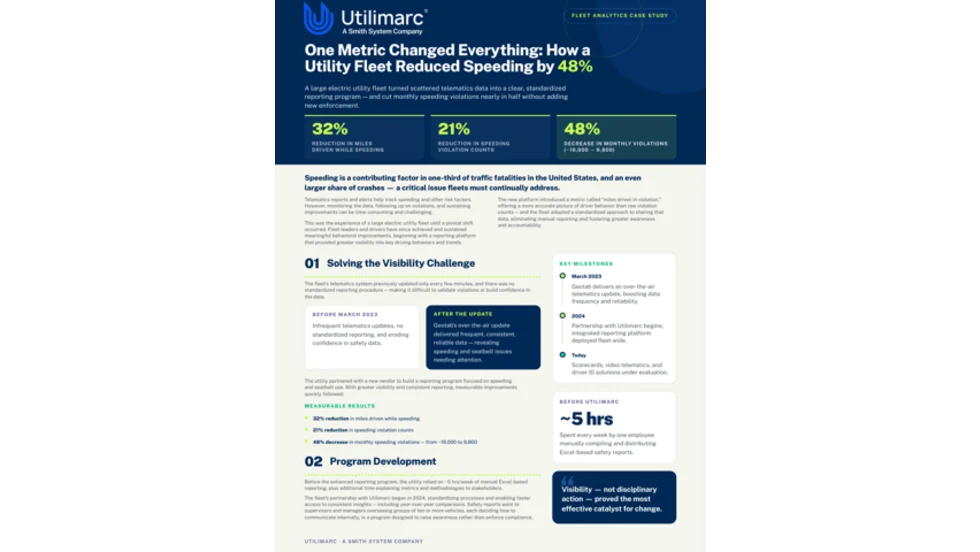
How Better Visibility Cut Speeding Violations by 48%
Fleet leaders don't need more data, they need clearer visibility into what the data is saying. This case study explores how one utility replaced speeding-event counts with a single metric — miles driven in violation — to strengthen safety and significantly reduce speeding violations.
Read More →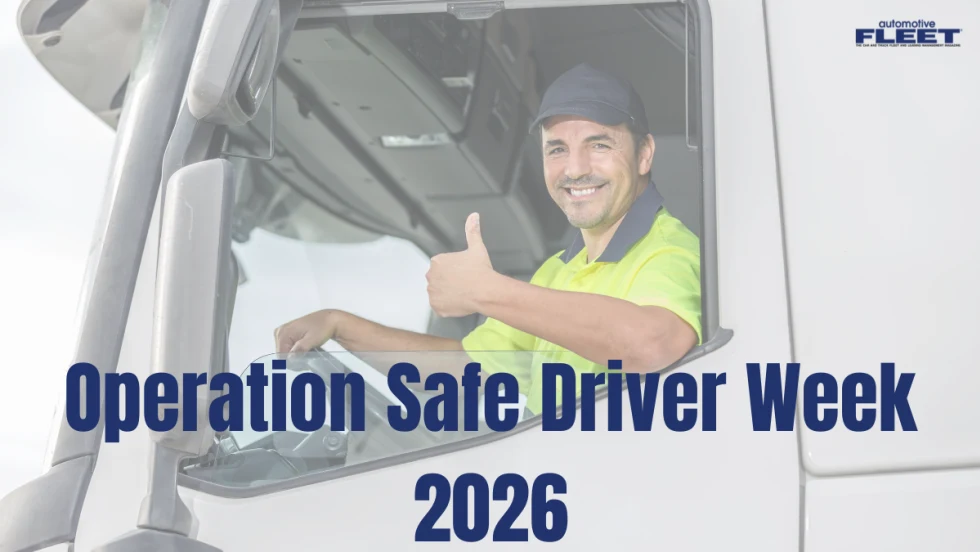
Operation Safe Driver Week: Why the Industry's Oldest Safety Campaign Still Matters to Fleets
A look at how a 2007 enforcement initiative became one of the most consequential weeks on the fleet safety calendar, and what it means for your drivers in 2026.
Read More →