




UPS/Ford Joint Venture to Track Deliveries, Cut Shipment Time
Ford and UPS have created a new joint venture, UPS Autogistics, which will track Ford vehicle shipments using the same methods UPS uses to track package deliveries. The new system aims to reduce transit time.
Ford Motor Co. has entered into a strategic alliance with United Parcel Service (UPS), creating a new joint venture which will manage Ford’s North American delivery network. The partnership will include the development of a new system to track vehicles being shipped in the U.S., Canada, and Mexico for all customers, including fleet deliveries.
The new venture will be called UPS Autogistics, and it will re-engineer Ford’s transportation network to optimize speed and accuracy in the shipment of all Ford products. It will track the vehicles in much the same way as UPS tracks its packages, using barcodes and the Internet. The tracking system is expected to reduce bottlenecks and allow for quick alternatives to solve unexpected problems. Ford and Lincoln Mercury dealerships, and ultimately fleet customers, will be able to log onto a website to locate the current position of their vehicles in the delivery system.
UPS Autogistics will have 120 employees, with 80 of those being field personnel. Heading up the venture will be UPS Vice President and General Manager Denny Barts, who will be headquartered in Atlanta.
Plan to Proceed in Phases
According to Thomas Kolakowski, North American Vehicle Logistics manager for Ford, the new venture will be implemented in five phases. Initially, UPS Autogistics personnel will use the existing Ford logistics system, with the addition of barcode scans at specific transit points to input shipment information for tracking purposes. These transit points might include, for example, when vehicles first leave the factory, are loaded onto a truck carrier, are loaded and off-loaded onto a rail car, and are delivered to a dealer. In the beginning, the tracking will use existing Ford systems.
As the plan progresses, carriers will input information directly into UPS’ system. This will serve as a transitional phase, leading to the introduction of an entirely new Ford tracking system, which will allow dealer and fleet customer access to tracking information. The program is scheduled to be completed by mid-2001, when shipments from all plants to all destinations will be tracked. An important consideration is keeping the information relevant. “We don’t want to overload customers with too much information they don’t really need. We want to maintain a delicate balance between accuracy and brevity,” Kolakowski said.
Phases Add Plants, Destinations
The initial phase, scheduled for March 2000, will track vehicle shipments from seven plants. These will include St. Louis (Explorer), Kansas City (F-150), as well as five Michigan plants: Wayne (Focus); Wixon (Lincoln); Michigan Truck Assembly (Expedition and Navigator); Dearborn (Mustang); and Flat Rock (Cougar).
Under the first phase, the UPS Autogistics team will track shipments from these factories to destinations in the West and Southwest U.S., from California to Texas.
“We chose to begin rollout with these regions because of the long distances involved. Making improvements in long transits will have a residual effect on other shipments,” Kolakowski explained.
Phase 2 will add plants in Louis- ville (Excursion, Sport Trac) and the Kentucky Truck Assembly (Excursion/F-Series trucks), and the nine plants cumulatively included will expand shipment tracking to destinations in the Southeast. After the second phase, the sequence in which other plants are added to the tracking program will be determined upon analyzing the results of the first two phases.
Phase 3 begins after plant shutdown in mid-July 2000, and Phase 4 will commence in September/October 2000. The final phase will begin in mid-January 2001.
According to Kolakowski, the key to improving order-to-delivery times will be the field personnel UPS Autogistics will station at transit points, most of whom will bring experience with UPS into the new venture. “The field personnel will monitor the progress of vehicles from designated shipping hubs, and will compare that progress with the shipping schedule. They will be the ones to ensure that vehicles are moving, not sitting in rail yards,” he said. “The field personnel will try to get the vehicle, or at the very least alert the next transit point to the delay.”
Ford is the third major company to contract the services of the UPS Logistics Group, which has been in business for five years. Nike uses UPS to fulfill its online orders, and DaimlerChrysler received its help in updating the parts ordering system used by dealers.
More Operations

Turning Connected Vehicle Data Into Decisions That Matter
Fleet leaders have more data than ever, but turning that data into clear, actionable decisions remains a challenge. This white paper shows how leading organizations are using connected vehicle data to improve safety, reduce costs, and optimize fleet performance. Learn how to turn insight into action across your fleet.
Read More →
Cameras, Safety and Insurance: From Reactive Claims to Real-time Prevention
Commercial auto remains one of the most challenging and costly lines of coverage for fleet operators and insurers alike. Learn more about how to effectively address these issues from Onur Aksan, Enterprise Business Development Executive, Geotab.
Read More →
Are You Tracking Your Fleet's True Total Cost of Ownership?
Bobit Business Media surveyed 190 fleet professionals and found that while most fleets are tracking costs, fragmented systems and data gaps are keeping true TCO visibility out of reach. With rising pressure to control spend in an increasingly volatile environment, the gap between what fleets think they know and what the data actually shows is wider than you might expect. See how your peers are managing costs today and where the industry still has room to improve.
Read More →
Turn Fleet Data Into Smarter Decisions
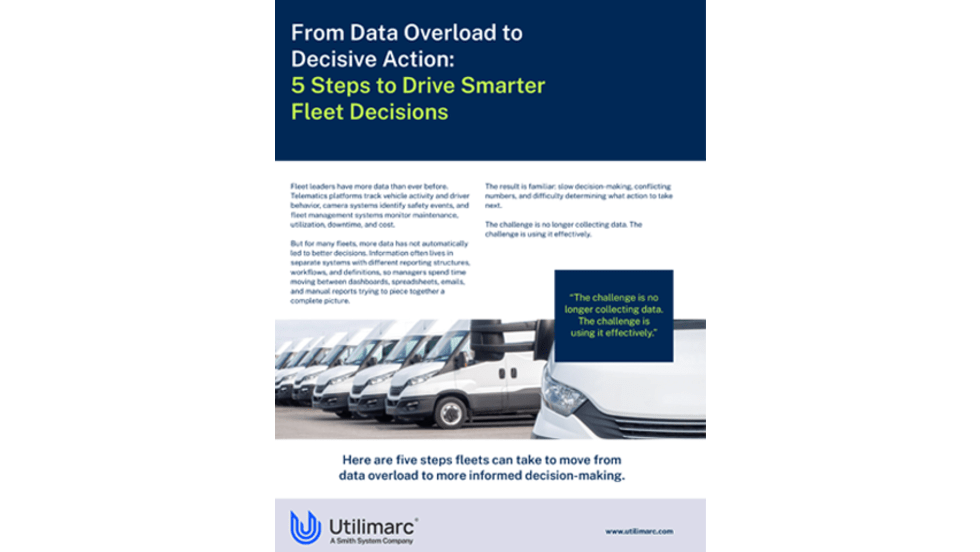
Fleet leaders have access to more operational data than ever, but disconnected systems and unclear metrics often slow decision-making instead of improving it. This article outlines five practical steps fleets can take to transform fragmented data into actionable insights that improve planning, safety, utilization, and long-term performance.
Read More →
Hybrids: Electrification Without the Challenges
For fleet managers, fuel is one of the biggest line items in the budget — and it's one hybrids can shrink without changing how your people work. Download the eBook to see the numbers, understand the technology, and get a step-by-step guide to making the switch.
Read More →
How NOV Uses Telematics to Improve Fleet Safety Across 160 Locations
James Victory of NOV discusses how the company manages fleet safety, maintenance, and telematics across more than 150 locations supporting oilfield operations throughout the U.S.
Read More →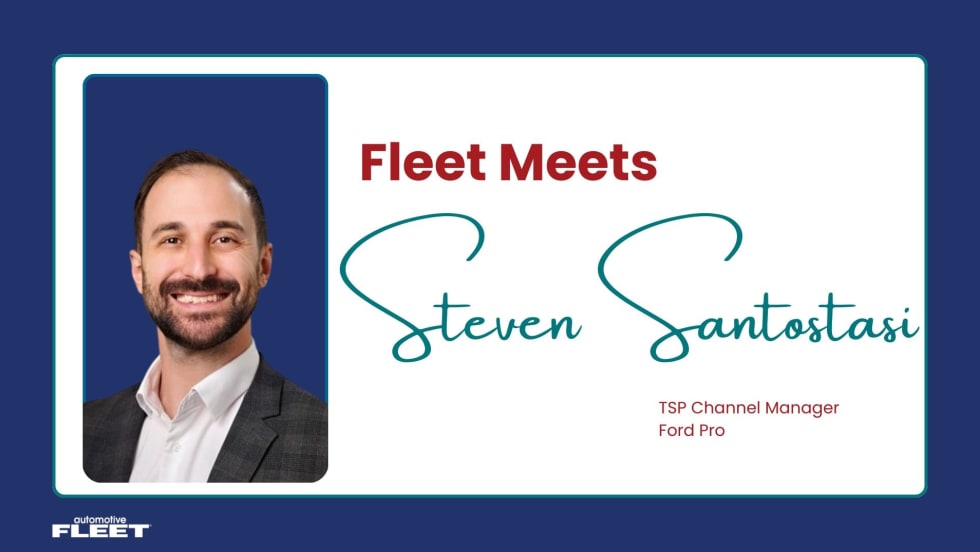
Fleet Meets: Steven Santostasi
This edition of the Fleet Meets series features Steven Santostasi, the current TSP channel manager for Ford Pro.
Read More →
Why Fleet Managers Are Replacing Departmental Vehicles with Shared Motor Pools
Departmentally assigned vehicles often create hidden costs through underutilization, poor visibility, and increased administrative burden. This white paper explores how shared motor pool strategies help fleets reduce costs, improve accountability, and optimize vehicle utilization.
Read More →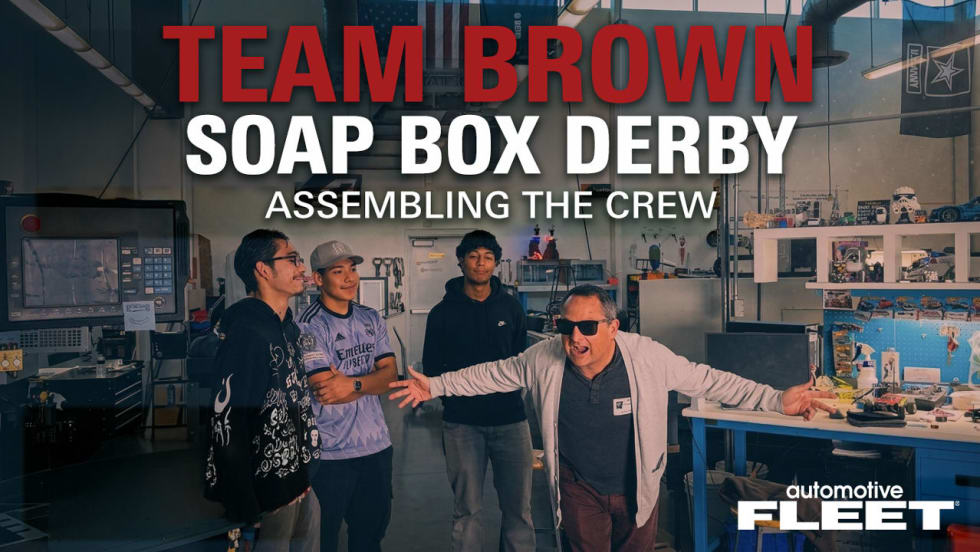
Soap Box Derby Challenge: Assembling the Crew
Meet Gabriel, Matthew, and Angel — the team helping bring this soap box derby build to life.
Read More →
BBL Fleet Acquires Velcor Leasing Corporation
BBL Fleet expanded its footprint in the fleet management industry with the acquisition of Velcor Leasing Corporation of Madison through a stock purchase agreement finalized Feb. 27, 2026.
Read More →