




UPS Has an Alt-Fuel Ambition
UPS sets a new goal of driving 1 billion miles in alt-fuel vehicles by 2017, benefiting the environmental, social, and economical aspects of sustainability.

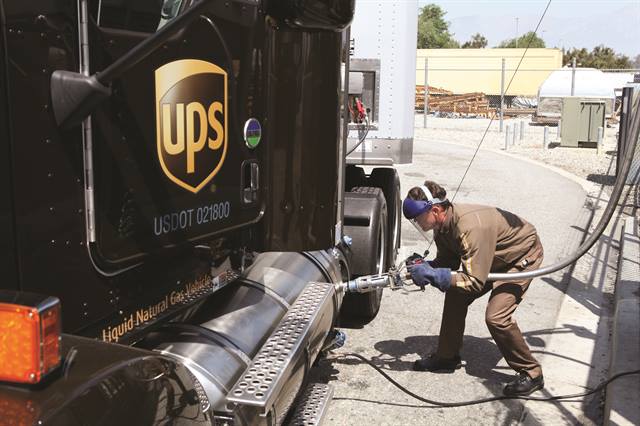
A delivery truck driver of one of UPS’ 96,176 vehicles worldwide — including delivery trucks, vans, tractors, and motorcycles — fuels a tractor with liquefied natural gas (LNG).
When it comes to sustainability, UPS delivers. Recently, the company set an ambitious goal to drive 1 billion miles using alt-fuel vehicles by 2017 — that’s more than double the previous goal of 400 million miles.
The 1-billion-alt-fuel-miles goal appears more ambitious, considering it took UPS employees 12 years to rack up 295 million miles in alt-fuel vehicles between 2000 and 2012. However, in 2012 alone, the growing alt-fuel fleet drove 49 million miles, a 43-percent increase, compared to 2011.
To support the 1-billion-alt-fuel-miles goal, UPS plans to add nearly 1,000 liquefied natural gas (LNG) tractors to its fleet in the next two years, expanding its current fleet of 2,700 alternative-fuel and technologically advanced vehicles. The fleet today includes all-electric, electric hybrids, hydraulic hybrids, natural gas (LNG, compressed natural gas [CNG]), propane autogas, biomethane, and lightweight fuel-saving composite body vehicles. Driving 500 to 600 miles per day, the new LNG vehicles should make a solid contribution toward 1 billion miles.

Steve Leffin, director, UPS Global Sustainability.
“As part of its environmental strategy, UPS is always looking for ways to expand our options and increase efficiency — through our use of both technology and our alternative-fuel/advanced-technology vehicles,” said Steve Leffin, director, UPS Global Sustainability. “Vehicles represent approximately 35 percent of UPS’ carbon footprint, so the company is very committed to researching and using lower-emission alternative fuels.”
Tracking Progress
When it comes to tracking progress toward its billion-mile goal, Leffin said UPS takes an engineering approach to operations. With a host of IT systems for planning, tracking, and summarizing vehicle routing and travel, the company is able to closely monitor its progress.
“Our sustainability report is assured by Deloitte & Touche LLP and has been ‘checked’ by the Global Reporting Initiative (GRI) at the A+ Application Level,” Leffin said. “And, for the second consecutive year, UPS earned one of the highest CDP (Carbon Disclosure Project) scores among all companies in the U.S., receiving 99 out of 100. We track these scores to ensure we’re a world-class leader in sustainability.”
[PAGEBREAK]
UPS has already seen progress toward the goal. In fact, even before setting it, plans were in the works that would make it a success. In years past, UPS conquered the challenges of obtaining capital, infrastructure, the fuel supply, and the equipment needed to deploy alt-fuel vehicles. With these in place, the company feels confident about a much larger commitment to alt-fuel in the future.
“We have overcome obstacles and are in full deployment mode of this technology in numerous locations,” Leffin said. “Our experience, our relationships, our perseverance and the dedication of our people all help us move forward. We see no reason why we can’t continue to expand.”
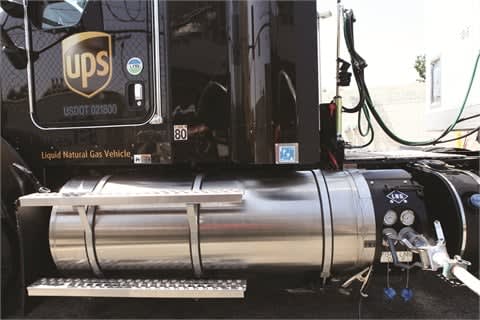
Driving 500 to 600 miles per day, the new liquefied natural gas (LNG) vehicles should make a solid contribution toward driving 1 billion alt-fuel miles.
More of What Matters
Should UPS reach its goal of driving 1 billion miles using alt-fuel vehicles by 2017, Leffin said all three aspects of sustainability — environmental, social, and economic — will benefit.
“It’s well known in the industry that emissions are reduced using natural gas as compared to using conventional gasoline and diesel. There are economic benefits to natural gas as well, and there’s more than 100 years of supply,” Leffin noted. “It’s a prudent step toward energy security and economic stability in the long-term for the enterprise. Moreover, it’s good for the environment, the community, and our own employees, so it’s a win-win situation.”
With 96,173 delivery trucks, vans, tractors, and motorcycles worldwide, any positive changes in UPS’ carbon footprint have the potential to make a large contribution toward a greener planet. The company plans to continue this charge.
“Sustainability is part of our DNA. It’s more than just knowing the right thing to do — it’s finding a way to do it,” said Scott Wicker, chief sustainability officer for UPS. “We’re constantly looking for ways to go further, so we can serve our communities and our customers — finding innovative solutions that help our business and the environment. It really comes down to doing more of what matters. That’s our commitment.”
More Green Fleet
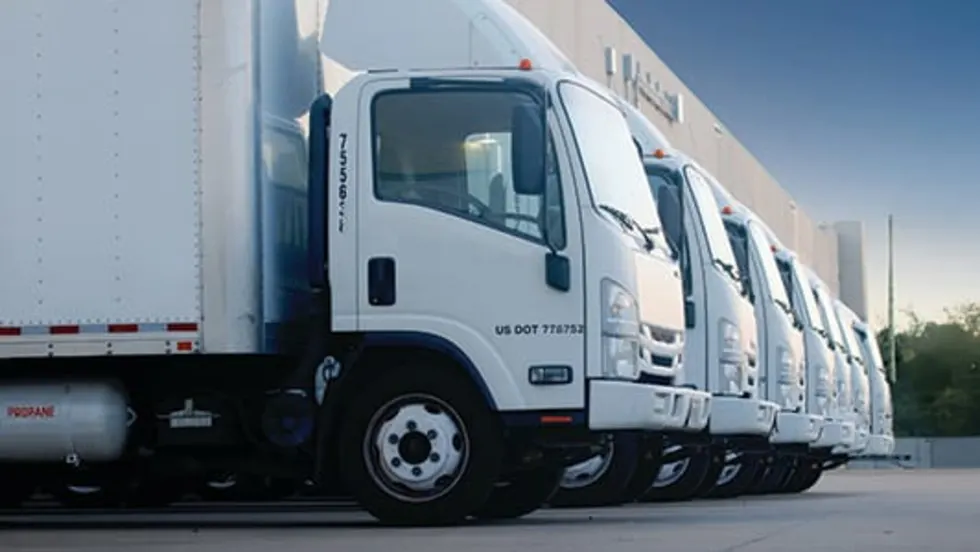
New Propane Autogas Program Offers Fleet Compensation
Qualified commercial fleets can receive $7,500 per eligible propane autogas vehicle and up to $10,000 for new refueling site prep. Learn how the program works and see whether your fleet qualifies.
Read More →
EV Charging Use Is Outpacing Infrastructure Growth
ChargePoint’s 2026 Charging Forward Report points to rising charger use, higher-powered charging, commercial vehicle electrification, and energy-management technology. Here’s what fleets should know.
Read More →
Merchants Fleet Reports 290M EV Miles as Fleets Navigate Changing Electrification Market
From millions in operating savings to hundreds of millions of EV miles, Merchants Fleet’s latest report reveals what’s working and what’s changing in fleet electrification.
Read More →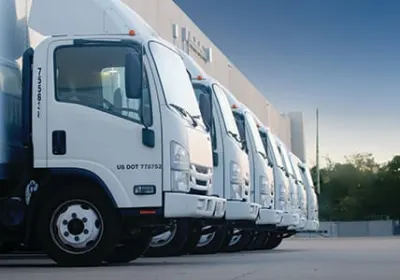

The EV Breakdown Nobody's Talking About: Why Most Electric Vehicle Roadside Calls Aren't Mechanical Failures
Here's why EV breakdowns are widely misunderstood.
Read More →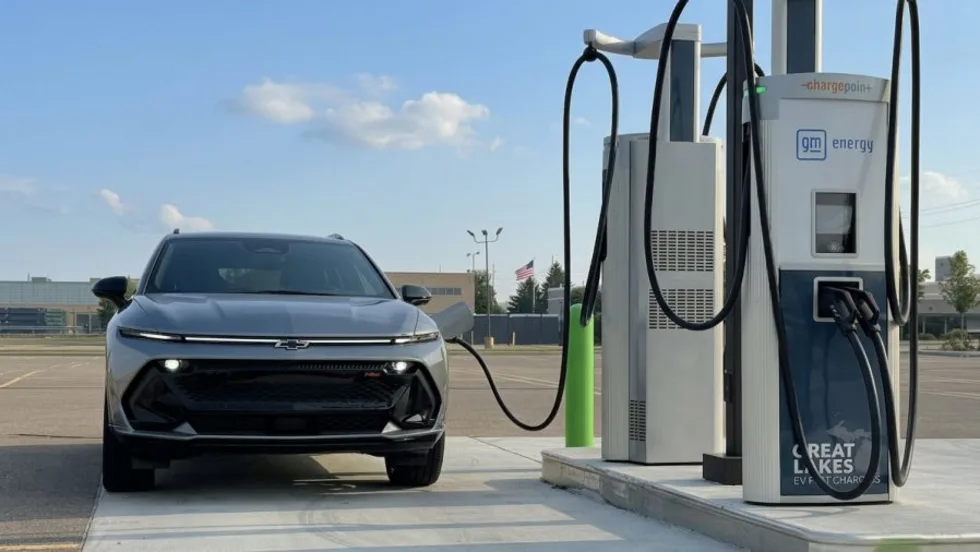
ChargePoint Now Available in Energy Pass
ChargePoint and additional planned charging network integrations were added to GM's Energy Pass.
Read More →

First Look: Slate Auto's Electric Fleet Pickup
Could an affordable, modular EV pickup make electrification more practical for fleets?
Read More →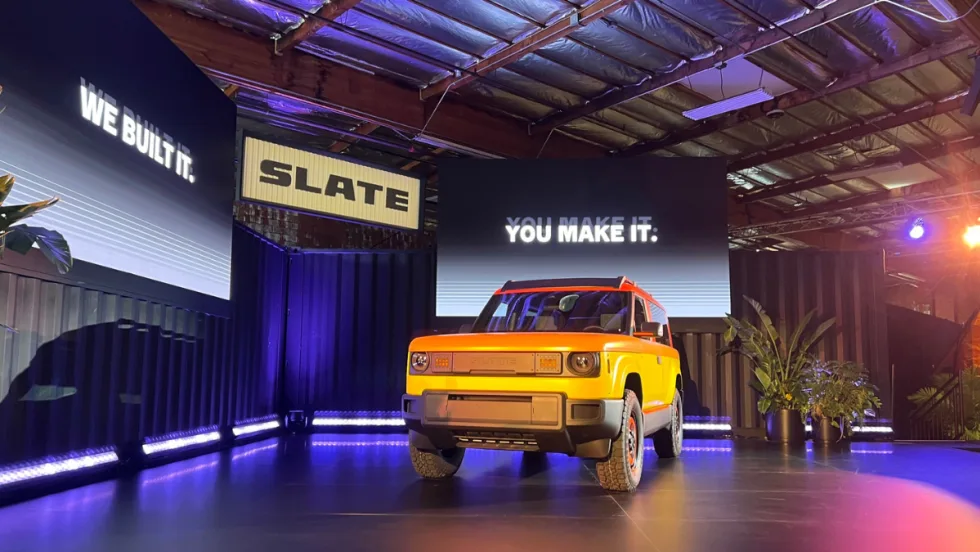
Slate Debuts Colorful, Unique EV Models
A recent media and client event, studded with electric vehicles dressed up on platforms, planted a new position for the manufacturer in the wider EV market. Fleets will find cost-saving advantages.
Read More →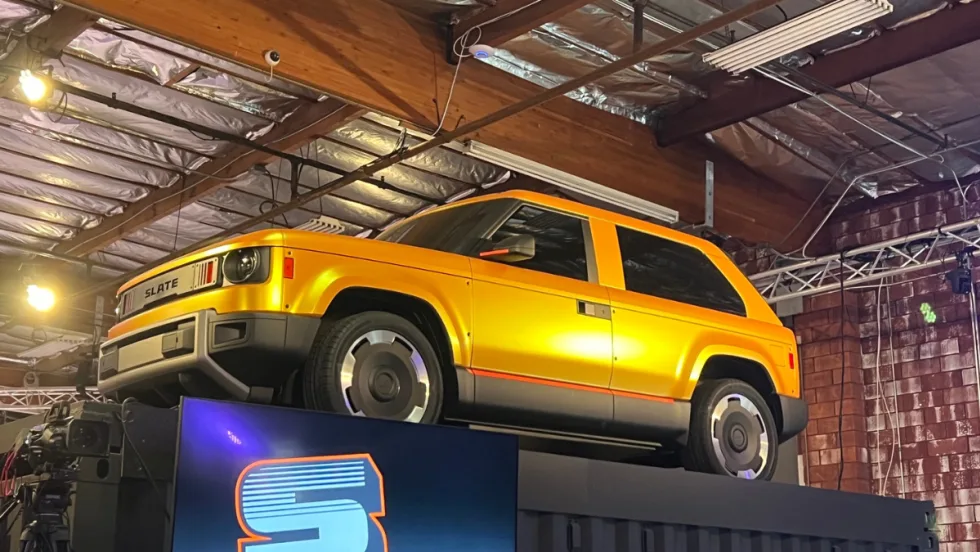
Slate Electric SUV, Pickup Switchable Model Aims For Light-Duty Fleets
Everything about this EV is counterintuitive and understated, making it stand out from the crowd.
Read More →
Inspiration Mobility Acquires Key Electrada Assets
Inspiration Mobility Group has acquired select assets of Electrada, adding the fleet electrification provider's team, technology, and charging infrastructure development capabilities to its energy management business.
Read More →