




Top Trends Identified at LeasePlan Global Fleet Summits
LeasePlan identified four emerging trends in global sourcing and fleet management — centralization of shared processes, a focus on business value versus cost savings, increased partnering with internal stakeholders, and the accelerating adoption of new technologies.
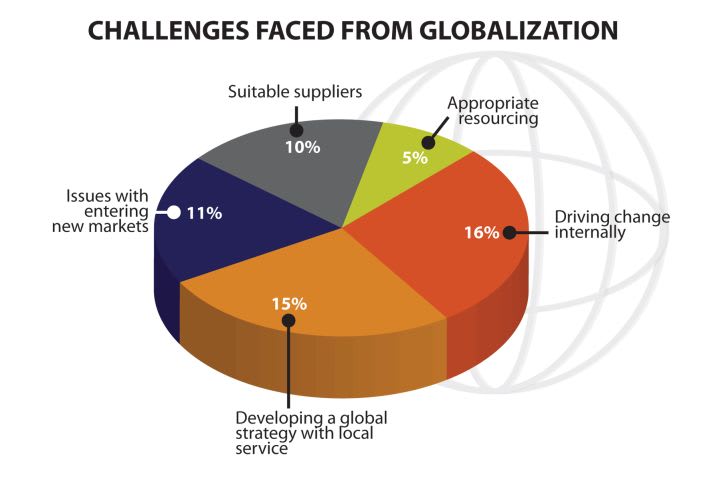
Chart courtesy of LeasePlan.
Chart courtesy of LeasePlan.
LeasePlan hosted two Global Fleet Summits this summer, one in Chicago and the other in New York City, that included managers of multinational companies with regional or global fleet management responsibilities. The summits were one-day, invitation-only events that assembled a select number of senior fleet decision makers to share their experiences and best practices in the area of international fleet sourcing and management.
Each Global Fleet Summit began with a strategic perspective on the varying approaches global companies take to fleet sourcing and fleet management. The meetings covered real-world, practical approaches to global sourcing and OEM management, as well as experiences from veteran global fleet directors on leading their companies from a local to a more centralized approach.
The 2013 Global Fleet Summits illustrated the need to combine a global approach with local implementation in presentations and discussions focused on fleet sourcing, driver engagement, and a country market spotlight, in this case, on fleet management in Mexico.
During the lively open discussion sessions, trends and best practices in global sourcing and the day-to-day practice of fleet management were examined in detail.
During the discussions at the Global Fleet Summits in Chicago and New York City, four key emerging trends in global sourcing and global fleet management were identified. These trends were summarized by Reinier Willems, international marketing director for LeasePlan International B.V.
Below are Willems' observations:
Trend 1: Centralization of Shared Processes
The first trend identified was the centralization of shared activities, including global fleet sourcing and management. This organizational concept is rapidly being embraced by a number of global organizations.
Attendees of the LeasePlan Global Fleet Summits cited the following key reasons for centralization of their corporate activities and related policies:
A response to increasing competitiveness in the global marketplace to establish core standard business processes for greater consistency and value.
To adequately manage increasing complexity.
To achieve greater strategic focus.
The need to place fleet management and procurement in the spotlight organization-wide.
Trend 2: Moving from Cost Savings to Business Value
Cost savings are often a major driver, if not the major driver of any procurement strategy. But, the trend now is to look at more than just cost savings. Organizations are moving toward cooperation that delivers not only cost savings, but added business value as well.
From a sourcing or procurement point of view, this entails procurement departments working together with internal stakeholders to contribute to the final contract and price negotiations. But, it can also mean they get involved in earlier stages of the sourcing process, for example, in defining the best solutions for the business that needs to be sourced. From a fleet management perspective, this calls for a continued shift from a commodity pricing focus to an overall value and service focus. The shift from transactional relationships to strategic partnerships has delivered clearly measurable and sustainable business value for many companies already.[PAGEBREAK]
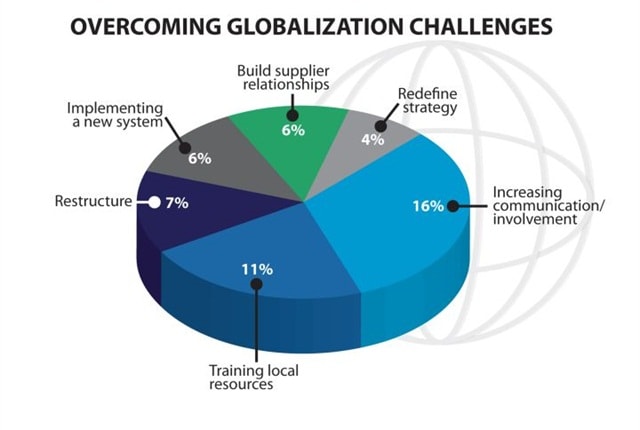
Chart courtesy of LeasePlan.
Trend 3: Partnering with Internal Stakeholders
The third trend identified by attendees of the Global Fleet Summits is that procurement and fleet management teams alike are recognizing the need for centralized leadership that can drive a global strategy, while ensuring engagement is locally driven. This especially appears to be the challenge facing large, often complex, organizations. Such corporations are finding that simply drawing up a central policy is not enough.
It takes much internal marketing effort and "salesmanship" to achieve buy-in among stakeholders, including budget owners and in-company users, within the organization. Key here is to partner with the relevant internal stakeholders at an early stage. This results in a better definition of the solutions that can provide true added value. And, by extension, such well-defined and relevant solutions will, in turn, establish the global sourcing director or global fleet manager, as the in-house subject-matter expert and internal business partner.
Trend 4: Embracing Technology for Insight and Control
Willems cited that it is important to remember that insight comes before control. This holds true for most business departments in global organizations. Procurement and fleet management are no exception to this rule, resulting in procurement professionals increasing their investments in relevant management systems.
According to Willems, procurement professionals are fast discovering the many advantages to be obtained from such systems for aggregating spend, registering supplier negotiations, avoiding rogue spending, and supporting supplier relationship management.
The same applies to global fleet management. Global reporting systems are key to providing insight into company-wide performance, including areas such as cost control and reduction, policy effectiveness, and emissions reduction.
More Global Fleet

GeoFencing Adds to Your Truck Security Arsenal
Geofencing is a familiar fleet tool today, but its early adoption marked a major shift in vehicle tracking, route monitoring, and the debate over employee privacy.
Read More →
Holman Takes Full Ownership of ARIZA in Mexico
Holman is bringing its Mexican fleet management operation fully under its own brand after more than 30 years as a joint venture. The change gives multinational fleet customers a single Holman operation across the U.S., Canada, and Mexico.
Read More →
5 Tire Maintenance Tips to Help Prevent Work Truck Downtime
Regular tire checks can do more than extend tread life. These five maintenance practices can help work truck fleets catch problems early, reduce costs, and prevent downtime.
Read More →

Proven Ways to Reduce Work Truck Downtime
The age-old problem of downtime will always be a reality, but with new strategies at hand, fleets have more ways to keep trucks on the road longer.
Read More →


Cameras, Safety and Insurance: From Reactive Claims to Real-Time Prevention (Part 2 of 2)
Part Two: Commercial auto remains one of the most challenging and costly lines of coverage for fleet operators and insurers alike. Continue learning more about how to effectively address these issues from Onur Aksan, Enterprise Business Development Executive, Geotab
Read More →
Cameras, Safety and Insurance: From Reactive Claims to Real-time Prevention
Commercial auto remains one of the most challenging and costly lines of coverage for fleet operators and insurers alike. Learn more about how to effectively address these issues from Onur Aksan, Enterprise Business Development Executive, Geotab.
Read More →
Fleet Costs Are Rising: Here’s How Leaders Are Responding
Fleet leaders are under pressure to reduce costs, adapt to economic uncertainty, and make smarter decisions. See how peers across North America are responding with real data, proven strategies, and forward-looking insights. Download the 2026 Market Pulse Report to benchmark your strategy and uncover where you can gain an edge.
Read More →
Enterprise Fleet Management Surpasses 900,000 Vehicles in U.S. & Canada
Enterprise Mobility connects with mobility solutions around the globe
Read More →