




Tire Safety Myths and Tips
Whether it's the middle of a historic winter blizzard or a scorching, sticky summer day, properly maintained tires keep vehicles on the road and running safely. In addition to the high number of tips out there to help keep the rubber on the road, there are also some myths that can get drivers in a heap of trouble if they are blindly followed.
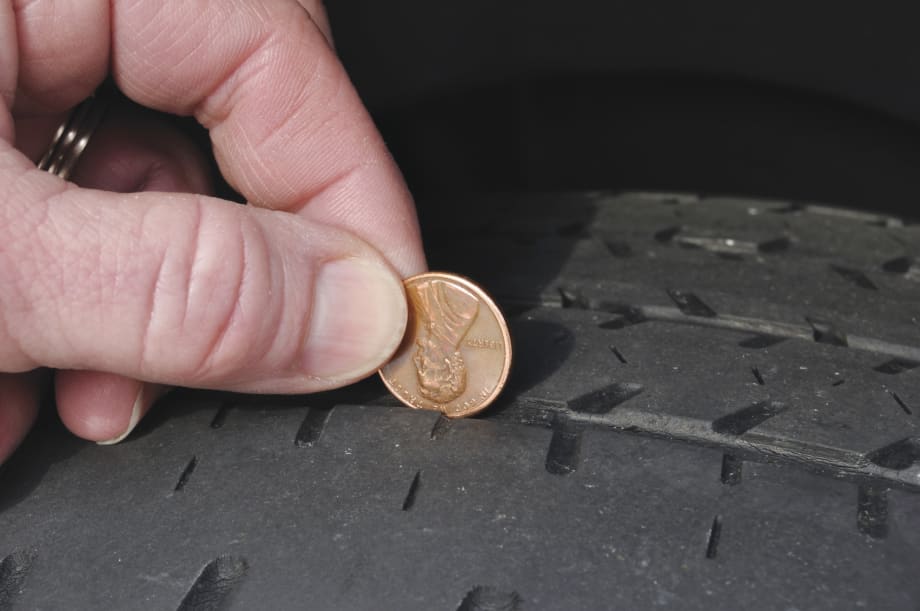
Photo courtesy of iStockphoto.com.
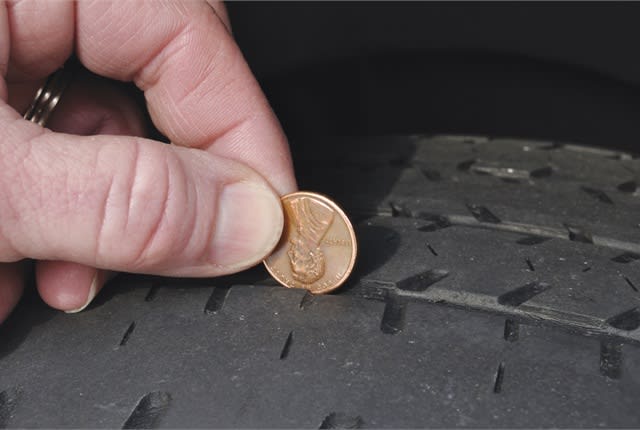
Photo courtesy of iStockphoto.com.
Whether it's the middle of a historic winter blizzard or a scorching, sticky summer day, properly maintained tires keep vehicles on the road and running safely. When it comes to tire safety, though, in addition to the high number of tips out there to help keep the rubber on the road, there are also some myths that can get drivers in a heap of trouble if they are blindly followed. To sift through this pile of possibilities and find the gems — and discard the fables — AF reached out to experts on the subject.
Roger Marble, consultant, spent four decades in the tire industry, working for a major manufacturer developing tires for applications in North, Central, and South America. In that time, he came across a handful of tire safety myths that have never ever been true:
Myth #1: You can check air pressure by just looking at your tires or kicking the tires. According to Marble, this method is usually off by 10-20 percent or more.
Myth #2: A plug-type repair or using flat fixer fluid injected through the valve is OK. Neither tire companies nor the U.S. Department of Transportation accept this practice, and it will void the tire warranty.
Myth #3: Re-inflating a tire that has been run more than 10 percent low will make it A-OK. "This is like believing that putting the potato salad back in the refrigerator after it sat all day out in the sun will make it OK to eat," Marble noted.
Myth #4: As long as there is tread design left, the tire is safe to use. Certain applications do not put a lot of miles on a tire, so the tire rubber can get too old to properly stretch, causing it to crack. "Tires should be inspected by a tire dealer and a written report issued after five years of use and every year thereafter, and replaced at 10 years, no matter how much tread is left," Marble said.
Myth #5: It is OK to ignore the warning from tire pressure monitor system (TPMS), as you can probably drive for hundreds of miles before service is needed. As with any vehicle warning system, drivers need to take them seriously — ignoring them could cause damage to the vehicle or possibly an accident.
Kurt Berger, manager, consumer sales engineering for tire manufacturer Bridgestone Americas, offered a trio of tips to help fleet drivers ride on road-ready rubber:
Inflate: The most important aspect of tire maintenance is proper tire inflation. "Tires can lose one pound per square inch per month under normal conditions," Berger explained.
Rotate: Regular tire rotations also will help prevent irregular and premature wear. According to Berger, as many as 40 percent of drivers have not rotated their tires within the recommended distance of 5,000-7,500 miles.
Evaluate: Routinely look for signs of tread wear or damage. "The 'penny test' is a simple way to check tread wear," said Berger. "Place a penny in the tread. If Lincoln's head is visible, the treads are too worn and need replacing."
Cutting corners is the last way to keep you safe on the road, according to Brian Remsberg, a spokesperson for Michelin North America. Whether its inspection, inflation, or repair, fleet departments need to take the safest route instead of the quickest one.
"Do not inflate tires to the maximum pressure molded onto the tire's sidewall," Remsberg explained. "The optimum tire pressure required for your vehicle can be found on a sticker in the door jamb, on the inside of the glove compartment door, or in the owner's manual."
The time of day can affect the tire's pressure reading, which is why Remsberg suggestted checking the pressure when the tires are cold, usually first thing in the morning.
When it comes to repairing a flat, it is best to take extra time to ensure that your tire doesn't suffer the same fate soon after.
"The proper way to have a tire repaired is to patch the tire from the inside and fill the puncture hole. Do not have your tire plugged," Remsberg advised.
All four tires need to be checked monthly, since keeping the tires inflated to optimum pressure allows for maximum fuel efficiency and longevity.
More Safety

Fleet Manager’s Ultimate Playbook: Navigating the New Standard in OEM Connectivity
Rising operating costs, driver safety concerns, and unplanned downtime are putting unprecedented pressure on modern fleets. Discover how fleet managers use embedded OEM connectivity and real-time vehicle data to cut TCO, prevent downtime, and protect drivers without aftermarket telematics hardware.
Read More →
From Driver Well-Being to EV Charging | AF News Recap
Mental health belongs in the fleet safety conversation. This week, we’re looking at five ways fleets can support employee well-being before a crisis, plus Holman’s expansion in Mexico, new one-day Fleet Forward passes, and why EV charging demand is outpacing infrastructure growth.
Read More →
Nexar-Nauto Merger Aims to Give Fleets Better Safety Intelligence Through Larger Driving Dataset
Stefan Heck tells Automotive Fleet that combining more than 10 billion miles of driving history with Nexar's AI models will give fleets deeper insights into driver risk and roadway conditions than either company could provide independently.
Read More →
Don't Wait for a Crisis: 5 Ways to Build Mental Health Into Your Fleet Safety Program
For Suicide Prevention Month, fleet and safety leaders have an opportunity to put mental health where it belongs: at the center of workplace safety.
Read More →
How Camera Data Can Strengthen a Fleet’s Insurance Renewal
Insights from a commercial insurance carrier and a broker show how fleets can turn video telematic data, driver coaching, and improved claims results into a stronger case at insurance renewal.
Read More →
The Safest Fleets Aren’t the Ones with the Most Technology
You’ve made the telematics investment. Here’s how to capture the other half of its value and build the safest fleet on the road.
Read More →
Hidden in Plain Sight: Fleet Compliance Risks
Fleet compliance isn't just about having policies — it's about consistently enforcing them. This practical guide reveals six hidden compliance risks common in public sector and shared fleet operations and outlines proven strategies to improve visibility, accountability, and audit readiness
Read More →
NETS Sets 2026 Fleet Safety Benchmark Conference for Indianapolis
The Sept. 15–17 program will feature fleet benchmarking data, case studies, emerging technologies, and implementation strategies while running alongside the NSC Safety Congress & Expo.
Read More →
Off-the-Job Crashes Account for 43% of Employers’ $61.7 Billion Crash Burden
NETS quantifies costs dispersed across fleet, risk, HR, and other departments while providing new per-crash benchmarks for employers.
Read More →
Ram Recalls More Than 1.27 Million 1500 Pickups for Seat Belt Anchor Issue
The recall affects certain 2019-2026 Ram 1500 pickups that may have improperly attached second-row seat belt buckle anchors.
Read More →