





Learn More: Reliability and EV Charging: What Do Fleets Need to Know?
Tips for Parking and Charging an EV Fleet
If a fleet is looking to run electric vehicles, it’s important to consider how it will choose the right parking facility for charging, how it will adapt its facility to chargers, and how it will work with local utilities for power.
April 4, 2023

There are a variety of considerations when installing a EV charging infrastructure in a parking facility, including examining its ability to increase power.
Photo: Canva/Automotive Fleet
3 min to read
For fleets adding electric vehicles to their vehicle lineups, it raises many questions that fleet managers must address. One challenge is how to choose a parking facility for charging and then retrofitting it with the proper equipment.
In an episode of the Off-Peak series, Martin Romjue, editor of ChargedFleet, talks to Alex Argudin, CEO of Miami Parking Authority, who has spent several years matching the right parking locations with EV charging needs. The interview includes several topics, such as adapting a facility to chargers, working with utilities for power, and installing versus outsourcing a charging network.
Seven years ago, Miami Parking Authority started with one or two spaces for its electric and hybrid vehicles in their parking garages. Now, the organization has grown to 20 spaces dedicated for its EVs – in six parking garages across the city.
Retrofitting a Parking Facility for Charging
When deciding whether to install EV charging infrastructure in a parking facility, Argudin recommends that a fleet manager first look at the costs based on their company’s demand and if it would be worth it in the long term. Additionally, she mentioned that many parking garages have old infrastructures, which can lead to a high cost for retrofitting.
“We knew that it would be costly for us to add the EV infrastructure, but we knew that long term it would be worth it for us,” said Argudin. “We did it not only to house our EVs but also for the residents that were coming next door.”
Once a fleet has identified an existing parking facility that it wants to electrify, the first step is to look at the ability to increase its power.
“Fleets need to find out if they have the capacity in their electrical box to put their EV equipment there,” said Argudin. “Additionally, fleets need to know the type of electrical power needed and if they are using level one or level two chargers.”
Another consideration is whether to install an in-house charging network or contract with an outside charging facility. It depends on the fleet’s EV needs and whether it has the budget to install in-house charging units, according to Argudin.
Working with Utility Companies
If fleet managers have a plan to phase in electric vehicles, how do they begin working with their local utility companies to ensure that they have efficient power sourcing for EV chargers?
Argudin recommends starting to communicate with the local utility company from the beginning.
“You are talking about adding a load to a grid that might not be able to handle it,” said Argudin. “Am I going to knock the power out if I electrify my building? What if I want to do fast charging? It’s been important for us to be able to communicate with our utility vendor.”
Subscribe to Our Newsletter
More Green Fleet
Sponsored•October 1, 2026
New Propane Autogas Program Offers Fleet Compensation
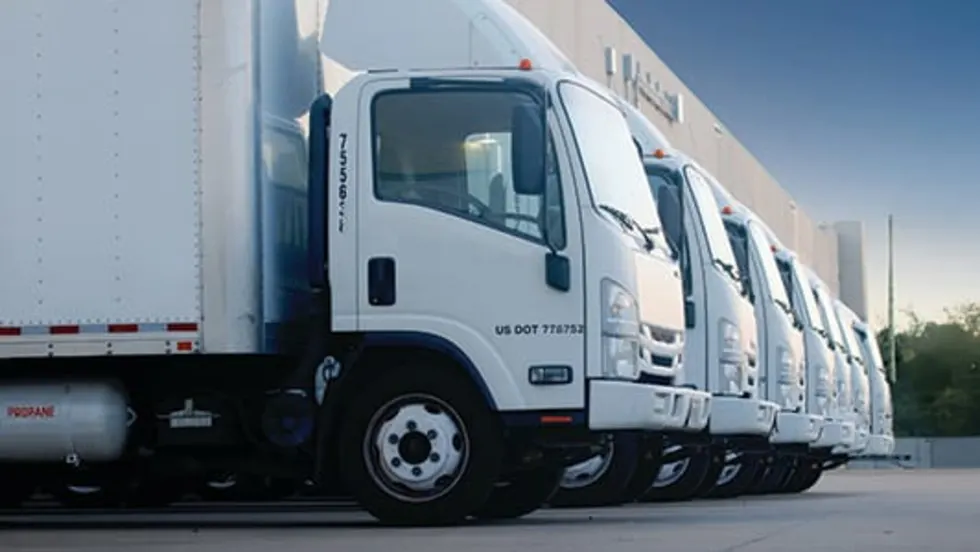
Qualified commercial fleets can receive $7,500 per eligible propane autogas vehicle and up to $10,000 for new refueling site prep. Learn how the program works and see whether your fleet qualifies.
Read More →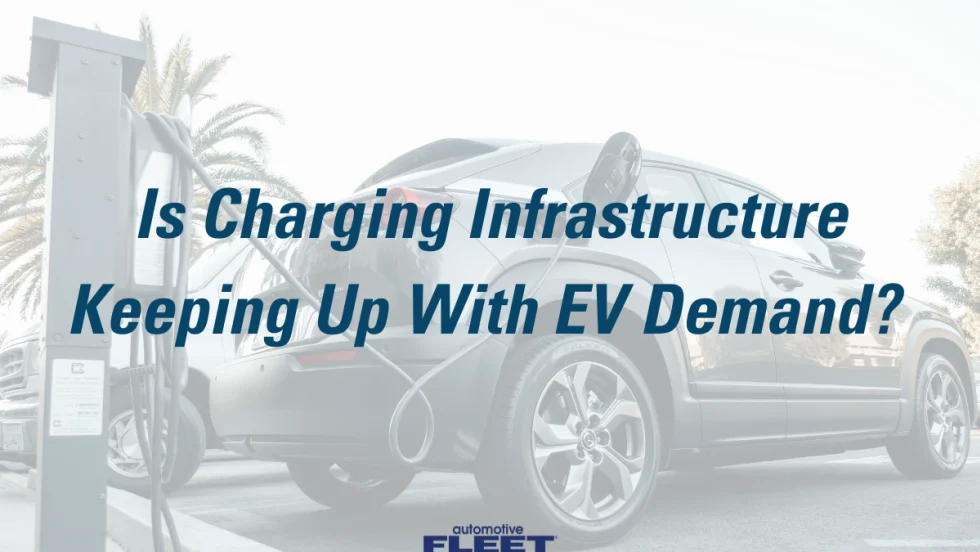
EV Charging Use Is Outpacing Infrastructure Growth
ChargePoint’s 2026 Charging Forward Report points to rising charger use, higher-powered charging, commercial vehicle electrification, and energy-management technology. Here’s what fleets should know.
Read More →
Merchants Fleet Reports 290M EV Miles as Fleets Navigate Changing Electrification Market
From millions in operating savings to hundreds of millions of EV miles, Merchants Fleet’s latest report reveals what’s working and what’s changing in fleet electrification.
Read More →
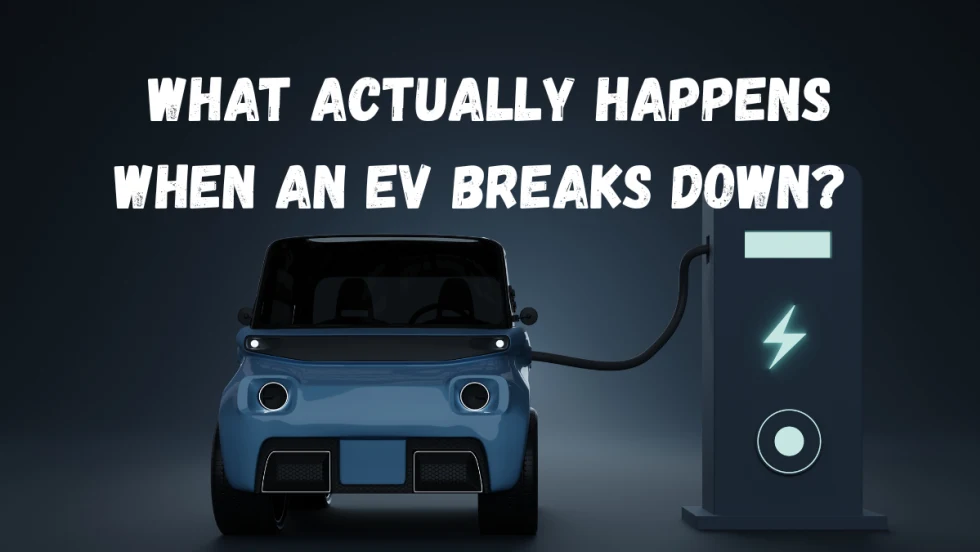
The EV Breakdown Nobody's Talking About: Why Most Electric Vehicle Roadside Calls Aren't Mechanical Failures
Here's why EV breakdowns are widely misunderstood.
Read More →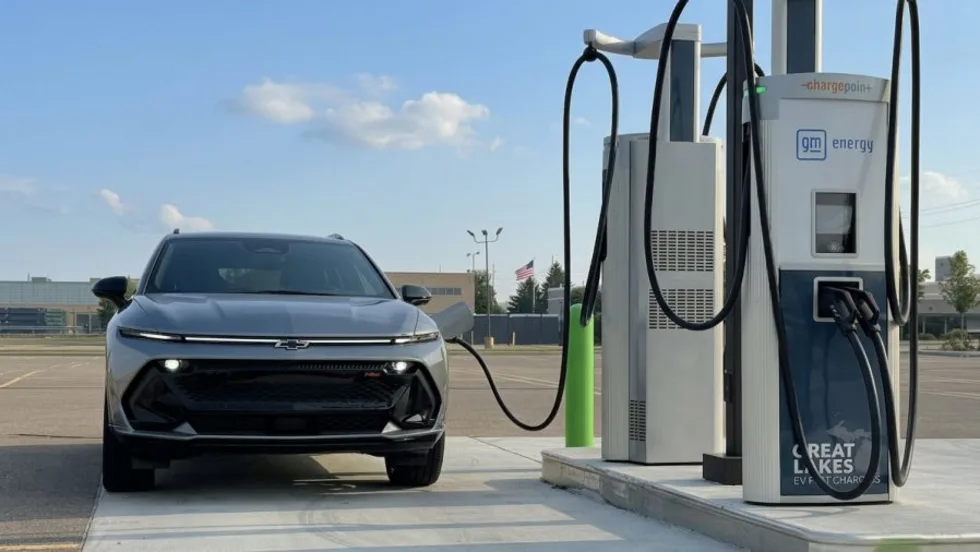
ChargePoint Now Available in Energy Pass
ChargePoint and additional planned charging network integrations were added to GM's Energy Pass.
Read More →

First Look: Slate Auto's Electric Fleet Pickup
Could an affordable, modular EV pickup make electrification more practical for fleets?
Read More →
Slate Debuts Colorful, Unique EV Models
A recent media and client event, studded with electric vehicles dressed up on platforms, planted a new position for the manufacturer in the wider EV market. Fleets will find cost-saving advantages.
Read More →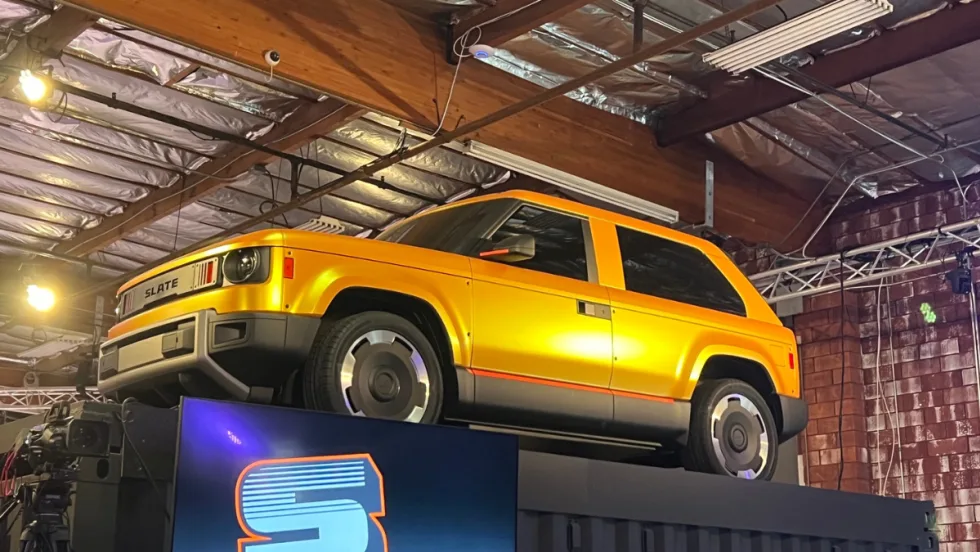
Slate Electric SUV, Pickup Switchable Model Aims For Light-Duty Fleets
Everything about this EV is counterintuitive and understated, making it stand out from the crowd.
Read More →
Inspiration Mobility Acquires Key Electrada Assets
Inspiration Mobility Group has acquired select assets of Electrada, adding the fleet electrification provider's team, technology, and charging infrastructure development capabilities to its energy management business.
Read More →