




The Eugene Water & Electric Board Recognizably and Certifiably Green
Eugene Water & Electric Board achieved national recognition and continues its legacy of care for the community and the environment.

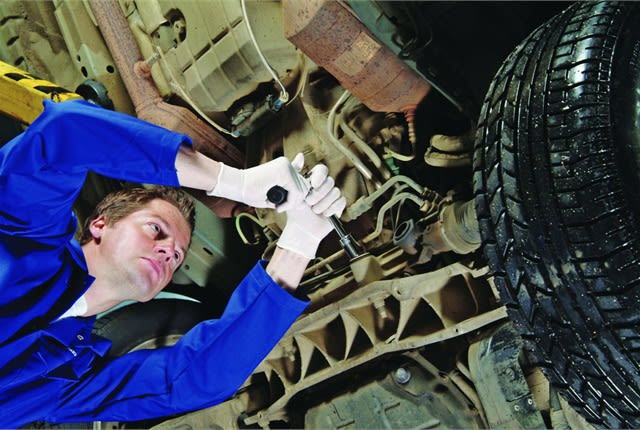
The Eugene, Ore., Water & Electric Board (EWEB) recently celebrated its 100th anniversary. Since its creation, the municipal utility has established a legacy of caring for the community and the environment.
“The EWEB has historically been, and continues to be, committed to meeting community needs by operating our utility in a sustainable way,” said Gary Lentsch, fleet services supervisor for EWEB. “This includes our internal operations, our products and services, and our place in the community at large.”
To continue this legacy, EWEB has worked toward achieving Tier 5 CLEANFleet Certification (CFC) from the Coalition for Green Fleet Management (CGFM). Certification was administered by Fleet Counselor Services (FCS), which provided onsite consulting, testing, and validation during EWEB’s journey to certification. Carol Robertson, a senior consultant for FCS was impressed by the EWEB team’s dedication during the process.
“EWEB’s team worked hard to obtain certification. I was impressed with their team’s pride and ownership of their program,” she said.

LENTSCH
With fleet vehicles ranging across the entire spectrum, including hybrid-passenger cars to bucket trucks, digger derricks, dump trucks, troubleshooter trucks, cranes, vacuum trucks, backhoes, and excavators, EWEB set out to shore up its operation and make its sustainable efforts official.
“When we heard about CLEANFleet Certification at the 2012 Government Fleet Expo (GFX), we felt that this was the opportunity to compare and certify ourselves on a national platform,” Lentsch said. GFX is produced by Bobit Business Media, publisher of Green Fleet magazine.
Committing to Sustainability
Even before participating in the CFC program, EWEB’s commitment to sustainability was already clear.
“The Eugene community has a culture of expecting people to think about the environmental impacts of their practices, and create ways to be more efficient in their business decisions,” Lentsch said. “We look at the long term and at our role within the community to provide the basic services of water and electricity with the least environmental impact.”
EWEB’s first certification came in 2011, when it was certified through EcoBiz, a local program that recognizes Oregon businesses and organizations that reach high standards in environmental protection.
“After this certification, we were looking at different programs that would solidify and distinguish our green fleet practices,” Lentsch said. “We looked at several state programs and found they were all over the board as far as comparability. Very few of them really focused on the shop operations of having a green fleet operation.”
That’s when EWEB’s Fleet Services department began participating in the CFC program, which uses a structured method to analyze business practices and certify environmental stewardship.
[PAGEBREAK]
Striving for Tier 5
After reviewing the CFC program, EWEB decided to seek Tier 5 Certification — the highest level of recognition.
“We recognized this was a stretch for us, but accepted the challenge,” Lentsch said. “After a review of the program, we realized we did have some advantages.”
For one, EWEB is housed in a Leadership in Energy and Environmental Design (LEED) Gold-Certified fleet services shop, which was constructed in 2010. EWEB designed this new LEED shop with sustainable utilities for water and energy conservation, such as the shop’s energy management system, which controls the use of heating and lighting. By comparison, the fleet shop is 45-percent more energy efficient than the state’s energy codes require.
"Even though we had some advantages, there were still many practices and processes that needed to be added to our program,” Lentsch said. EWEB has had a green, preventive maintenance program in place since 2011.
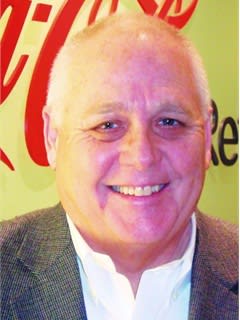
Green preventive maintenance programs have reduced EWEB’s fossil oil footprint over 56 percent.
To obtain the Tier 5 Certification, a staff of 10 from EWEB’s facility, safety, environmental, and fleet departments incorporated the following into their fleet practices: green fleet sustainability database, sustainable purchasing policy, fleet sustainability business plan, an annual training, and vendor accountability.
“The team was really the core of getting the Tier 5 certification; it was only possible with the dedication and team effort from every staff member that took part in this process,” Lentsch said. “We took a team approach in addressing each aspect of the application.”
Passing the Tier 5 Inspection
To prepare for the Tier 5 onsite inspection, EWEB created a checklist. It also included an appendix, addressing specific information about waste-disposal procedures, recycling bins, vendor compliance, and utilization/emission reports, employee training, vendor surveys, and a fleet sustainability plan.
“We attempted to make the audit process as seamless as possible. The actual onsite inspection lasted a full day. The auditor reviewed and verified the accuracy of all information submitted,” Lentsch said. “We conducted a facility tour. They do a thorough job in making sure what you say you do, you actually do. It is a high level of accountability, and verifies your shop’s processes are at the high level that is expected from the certification.”
The Key to Certification
A large portion of CLEANFleet Certification is training. As such, the EWEB team created an annual block training that touches on each CFC topic, including general waste management/requirements, used oil and recycled products, vehicle and equipment washing facilities, product storage, facility management, and administration/general management, including purchasing policies.
Through training, employees learn specifics they may not have been previously aware of. “The outcome of this training was very positive,” Lentsch said. “This block training is now used throughout the organization and will be built upon to maintain our certification.”
The CFC Payoff
Although achieving Tier 5 CLEANFleet Certification took an investment of time, money, and resources, Lentsch said it has paid off — for the environment, Eugene citizens, EWEB, and other organizations.

Hydraulic oil filtration removes particulate and water contamination, extending the life of the hydraulic oil.
“Reaching Tier 5 CFC is a way to benchmark what we have already accomplished in our efforts to increase our sustainability for all of our fleet business activities. It’s a way to gain outside recognition for the green fleet initiatives we have launched throughout the last few years,” Lentsch said. “We also feel that playing a leadership role in this effort will help other organizations in the movement toward sustainable automotive services. The certification required us to have a sustainable purchasing policy in place, and this, in turn, will now be used by other departments within the organization.”
Lentsch said CLEANFleet Certification, which commands efficiency, also demonstrates to EWEB’s customers that the Board values its investment in them.
While local and national recognition are key benefits, EWEB will find rewards from its green efforts in the long term, too.
“In determining the payoff for the investment in the CFC program, it is important to realize it is not just a shiny plaque on the wall; it is much more than that. You can’t just buy a few hybrid vehicles and call yourself a ‘green fleet,’ ” Lentsch said. “The certification payoff is not short term, but rather a long-term recognition of integrating best practices throughout your fleet for years to come. From green preventable maintenance programs to being aware of all chemicals used in the shop, you are setting the path for future shop operations to be more aware, safe, and efficient.”
More Green Fleet
New Propane Autogas Program Offers Fleet Compensation
Qualified commercial fleets can receive $7,500 per eligible propane autogas vehicle and up to $10,000 for new refueling site prep. Learn how the program works and see whether your fleet qualifies.
Read More →
EV Charging Use Is Outpacing Infrastructure Growth
ChargePoint’s 2026 Charging Forward Report points to rising charger use, higher-powered charging, commercial vehicle electrification, and energy-management technology. Here’s what fleets should know.
Read More →
Merchants Fleet Reports 290M EV Miles as Fleets Navigate Changing Electrification Market
From millions in operating savings to hundreds of millions of EV miles, Merchants Fleet’s latest report reveals what’s working and what’s changing in fleet electrification.
Read More →

The EV Breakdown Nobody's Talking About: Why Most Electric Vehicle Roadside Calls Aren't Mechanical Failures
Here's why EV breakdowns are widely misunderstood.
Read More →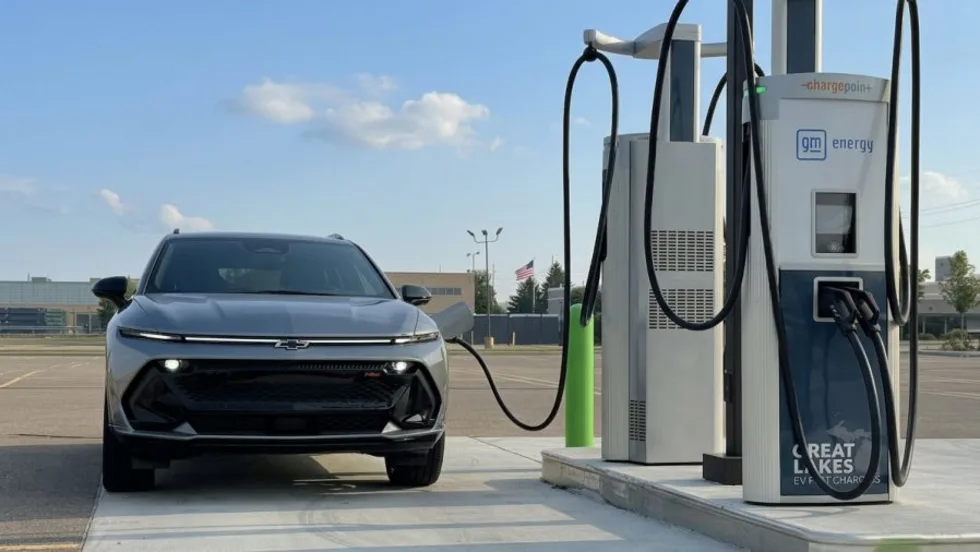
ChargePoint Now Available in Energy Pass
ChargePoint and additional planned charging network integrations were added to GM's Energy Pass.
Read More →

First Look: Slate Auto's Electric Fleet Pickup
Could an affordable, modular EV pickup make electrification more practical for fleets?
Read More →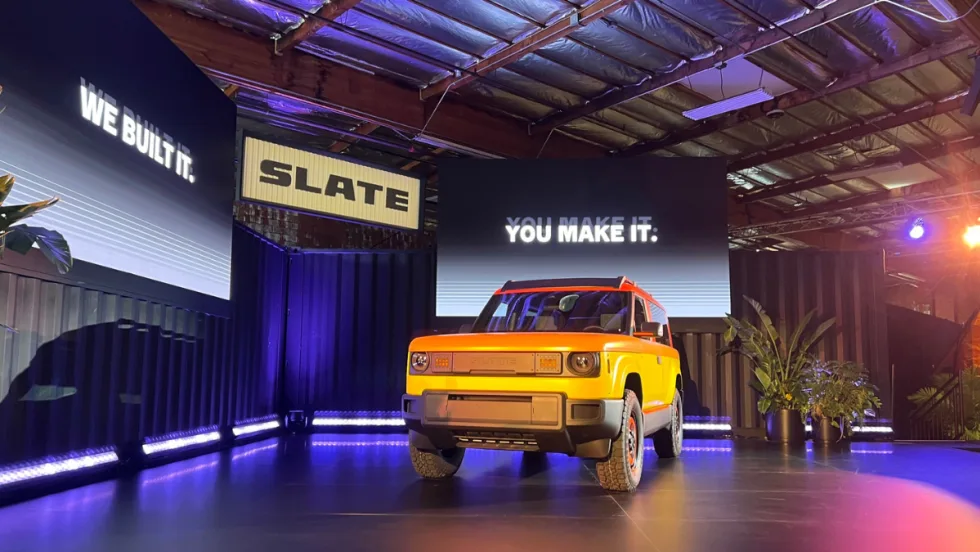
Slate Debuts Colorful, Unique EV Models
A recent media and client event, studded with electric vehicles dressed up on platforms, planted a new position for the manufacturer in the wider EV market. Fleets will find cost-saving advantages.
Read More →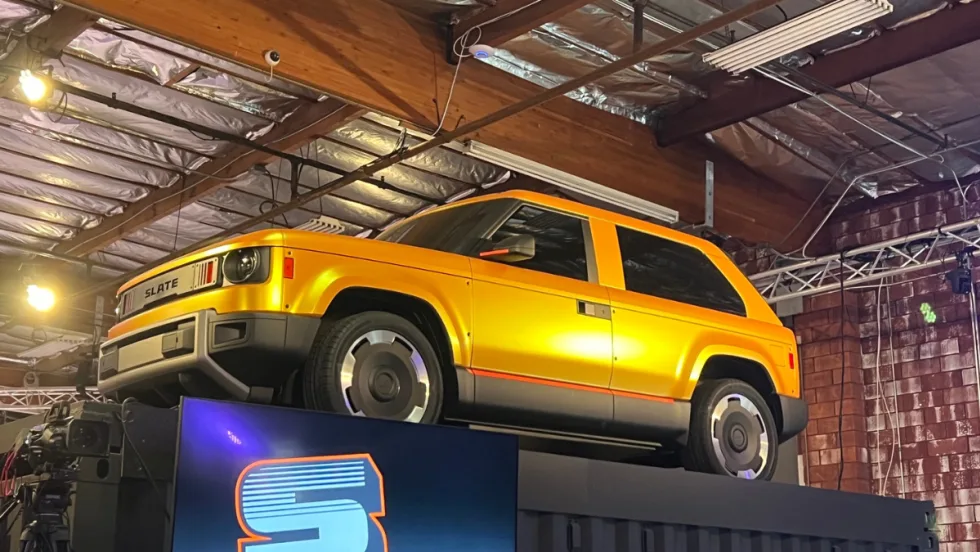
Slate Electric SUV, Pickup Switchable Model Aims For Light-Duty Fleets
Everything about this EV is counterintuitive and understated, making it stand out from the crowd.
Read More →
Inspiration Mobility Acquires Key Electrada Assets
Inspiration Mobility Group has acquired select assets of Electrada, adding the fleet electrification provider's team, technology, and charging infrastructure development capabilities to its energy management business.
Read More →