




The Benefits of Customizable Forms for Landscaping Companies
If your landscaping business is looking to move from paper to electronic forms, then find out how customizable forms within a GPS tracking system can help solve that challenge.


Getty Images/MartinPrescott
The elimination of paper from every workflow is a goal of most modern organizations. Changing from analog to digital is one of the most impactful ways to increase efficiencies in any business. Another way is to have an all-in-one solution where you get everything you need in one spot. Combining these two facets leads to powerful results for overall efficiency, productivity, and profitability.
Enter GPS Tracking customizable forms
From invoices to work orders, there's a mountain of paperwork that landscaping businesses have to deal with frequently. If paper forms are still a part of your workflow, think about all the time spent by either yourself or office staff to sort through it each week. Now, think of what you can do if you were able to save all that time by utilizing custom electronic forms within a GPS tracking system. Let's dive into some of the main ways that landscaping businesses implement and benefit from this technology to save time and money.
Using Custom Forms for Invoicing
Because electronic forms within GPS tracking systems are customizable, you can use them to create many different efficiencies—chief among them is invoicing and billing clients.
Note: For most GPS tracking providers, custom forms display on either proprietary or third-party tablets that the drivers keep with them at all times.
Using custom forms for invoicing is as easy as recreating the necessary fields that your paper form included as a one-time setup for the drivers to use. You can capture pedigree information like names, addresses, contact information, and even electronic signatures from the customer. Because this is a GPS tracking feature, you already have timestamps of when your employee arrived on site and when they finished the job by completing the form.
You will significantly increase billing accuracy by invoicing customers this way. There is no disputing when an employee arrives or how long they are on the job. So, you now have a way of preventing customer disputes and enhancing worker accountability.
Increasing Billing Accuracy
In most instances, custom electronic forms also allow employees to take photos that attach to the form. This functionality enhances accountability and accuracy by adding proof of job completion because any essential notes added by employees attach to the form.
All of your custom fields have a requirement feature that will force the employee to finish filling out the information necessary to complete a job, leaving no room for dispute. Customizable forms also provide same-day billing for customers, which also helps improve billing accuracy.
The GPS tracking system provides everything you need to invoice a customer accurately — including timestamps, signatures, photos, and notes. Additionally, the forms are automatically sent back through the GPS Tracking software, which means you'll be able to bill customers the same day. This functionality helps avoid any delays due to a worker losing the paperwork or not handing it in promptly.
Improve Efficiency and Reduce Administrative Headaches
Adding customizable forms into your workflow remove significant time spent going through handwritten paperwork, which can be prone to errors and omissions. Because these forms integrate into GPS tracking systems, it also keeps everything in one place. If a driver makes specific notes at a customer site, then those notes will always be there for that customer. You won't have to duplicate efforts by transferring employee notes from a handwritten form into another software.
How to Implement Customizable Forms
{incontentformtoken}
If you're ready to implement customizable forms into your workflow to improve invoicing, billing accuracy, or improve administrative efficiency, then fill out this form to speak with experts from top GPS tracking providers. They will guide you on the implementation process and how to best use the technology to grow your business and become more profitable.
More Telematics
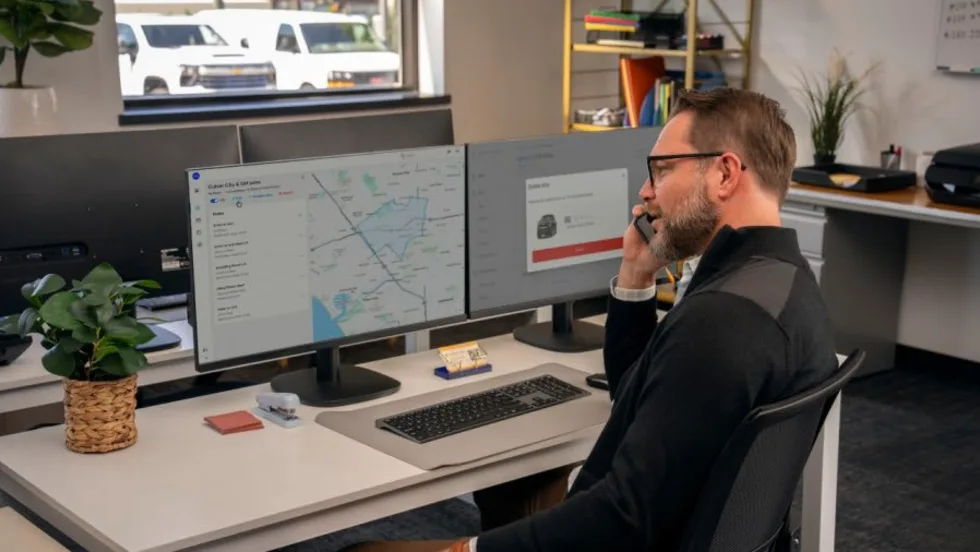
GM Launches OnStar Fleet Intelligence Platform With AI Assistant
The new platform brings vehicle data, order tracking, connected services and fleet analytics into one system, with an AI assistant that can answer fleet questions using natural-language prompts.
Read More →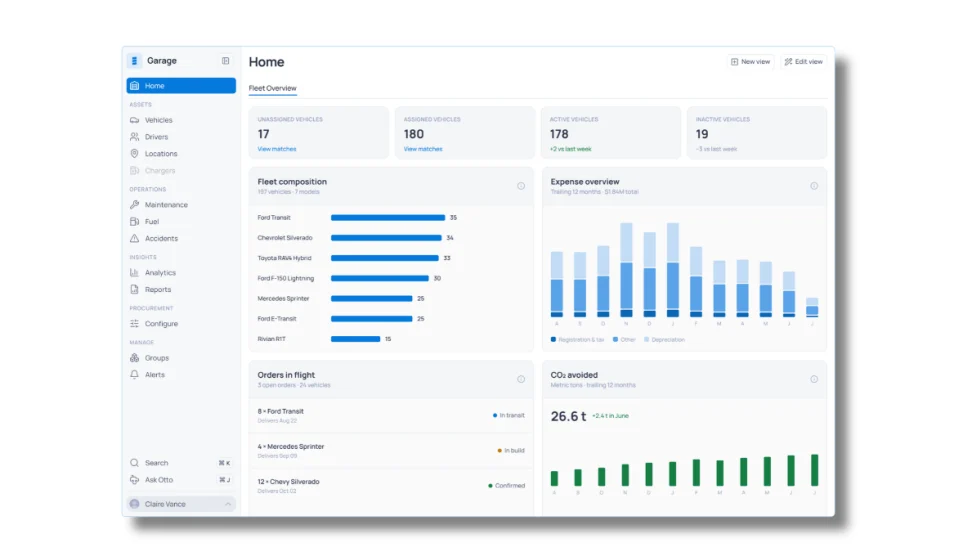
Inspiration Fleet Introduces Garage 2.0 Fleet Intelligence Platform
Fleet managers increasingly have access to data from vehicles, telematics, fuel, charging, and other systems, but those sources don't always communicate with one another. Inspiration Fleet's Garage 2.0 platform brings that information together while letting fleets keep working with different technology and service providers.
Read More →
Inside Inspiration Fleet’s New Platform for Connecting Fleet Data
Inspiration Fleet CTO Chris Getner explains how the new Garage 2.0 platform is designed to connect disparate fleet data and what that could mean for fleet managers in practice.
Read More →
Fleet Manager’s Ultimate Playbook: Navigating the New Standard in OEM Connectivity
Rising operating costs, driver safety concerns, and unplanned downtime are putting unprecedented pressure on modern fleets. Discover how fleet managers use embedded OEM connectivity and real-time vehicle data to cut TCO, prevent downtime, and protect drivers without aftermarket telematics hardware.
Read More →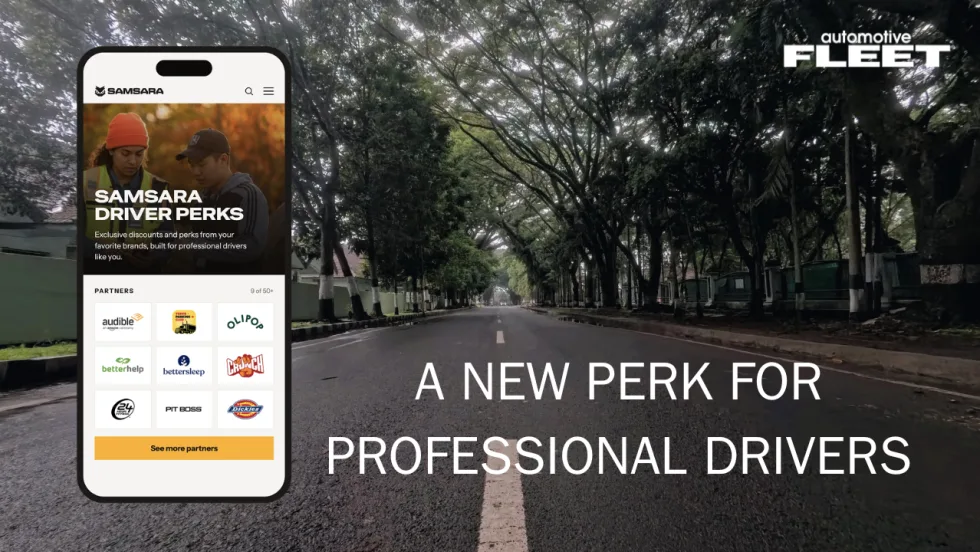
Samsara Driver Perks Adds New Benefit for Corporate Fleet Drivers
The rewards program gives eligible professional drivers access to discounts from more than 50 brands while giving fleets another way to support recruitment, retention, and the driver experience.
Read More →
Inside the Church of Jesus Christ of Latter-day Saints’ Two-Track Telematics Strategy
With 20,000 vehicles and two fundamentally different driver populations, the Church faced a fleet management problem that a single telematics program couldn't solve. How it responded offers a replicable framework for any fleet where one size doesn't fit every driver.
Read More →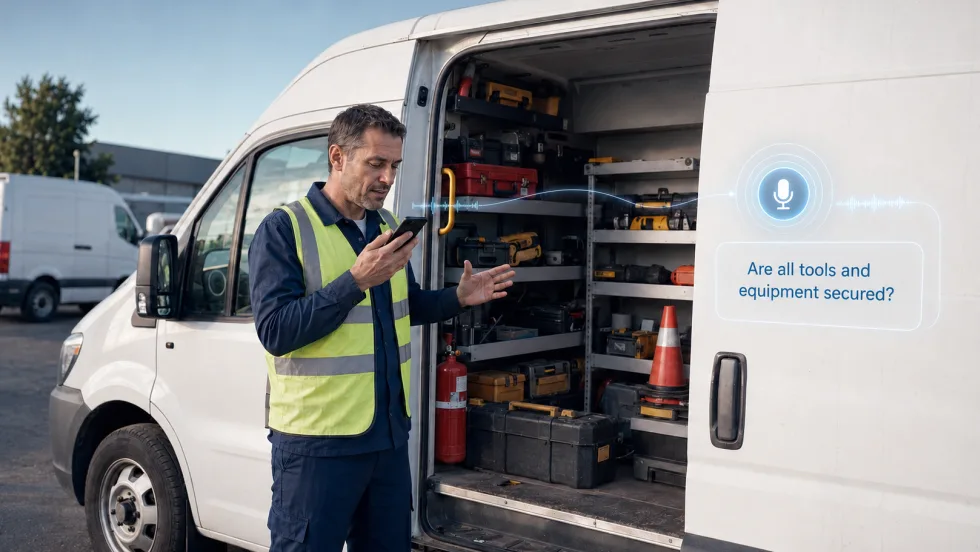
How Conversational AI Can Make Fleet Tasks Easier for Drivers
While most generative AI tools help fleet managers interpret data at their desks, Connex2X is applying voice interaction to tasks behind the wheel.
Read More →
Why Fleets Are Creating Dedicated Fleet Analyst Positions
Are fleet analyst positions the new norm? Listen here to find out.
Read More →
Teletrac Navman Begins Next Chapter as Standalone Private Company
What's new with Teletrac Navman and its new owner?
Read More →
Why Fleets Are Creating Dedicated Fleet Analyst Positions
Telematics, AI, EVs, and connected technologies are generating more fleet data than traditional teams can effectively manage. Reed Jackson explains why dedicated fleet analytics roles are emerging to turn that information into better operational decisions.
Read More →