




Telematics in Vocational Truck Fleets: Field Service
Telematics can help field service fleets with dispatching, asset and personnel productivity, customer satisfaction, and more.

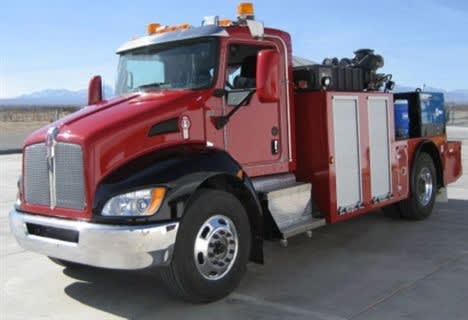
Image of Kenworth diesel-electric hybrid truck, the first used in a service application, which was introduced at the World of Concrete. Photo courtesy of Kenworth
Field service fleets are constantly on the move with people depending on their prompt arrivals. Typically driving without set daily routes, these fleets must arrive at their different destinations in a timely manner, and above all, safely.
“Maximizing labor productivity and customer satisfaction and responsiveness is the name of the game in the field service industry because it is a very labor-intensive industry with high customer expectations and costs of non-performance and service level agreement (SLA) achievement,” said Kelly Frey, VP of product marketing for Telogis.
Telematics can help field service fleets with the ever-present task of completing more jobs in a day. “These fleet owners need relevant data to analyze the workflow and find inefficiencies, and this is where telematics can help," said Nathan Todd, director of product management at Teletrac Navman.
Through geofencing and zoning, fleet managers can better track service times or make for more efficient driver dispatching.
“Set zones around customers and track pickup and delivery times. This will help you identify optimal routes to deliver your product on-time all the time, enhancing your customer service,” said Scott Sutarik, associate VP, commercial vehicle services for Geotab.
Through connecting all assets, devices, and personnel logs, fleet managers can get a better overall picture of fleet efficiencies.
"Connect everything: 100% tracking of all things associated with the field service task, including Internet of Things (IoT) sensors and on-road vehicles, off-road vehicle, equipment high value and low-value assets. With the costs of connectivity decreasing and the ability to connect everything with cloud providers, it is now easier and more cost-effective than ever. The IoT sensors can now provide a better picture of how an asset or piece of equipment such as an air conditioner or elevator wind turbine or medical equipment is performing. Increasingly, we are incorporating CBM (condition based monitoring) sensors to be more proactive and predictive about when something needs to be fixed," Frey said.
Telematics can also help field service fleet managers maximize productivity, be it from assets or personnel. Planning, scheduling, and routing can all be integrated. Driver logs can be eliminated, reducing a driver’s manual labor and possible overtime costs finishing up paperwork after a job.
"Telematics solutions for transportation fleets can identify how much time it takes a driver to arrive at a scheduled job. If they are spending an inefficient amount of time on the road compared to their time on the job, telematics can identify the potential causes, such as frequent stops or inefficient routes, and provide fleet owners with specific data to eliminate bottlenecks. Telematics can also cut down on much of the manual labor, such as paper logging. J.B. Hunt Transport Services Inc., estimates each driver loses more than 44,000 miles and 63 loads due to excessive paperwork and similar inefficiencies, and telematics can give field service drivers back that time to spend on the road,” said Todd of Teletrac Navman.
And making sure the right driver is dispatched to the right job is also key to a field service fleets success.
“Efficient dispatching is crucial for field service fleets to ensure that they uphold any response time guarantee. Fleet managers can utilize custom icons as vehicle identifiers for Water Trucks, Recon Trucks, Project Managers, and Sales to identify the appropriate vehicle for the job and then from there, put the address in to get the closest one needed that is available,” said Ryan Driscoll, marketing director for GPS Insight.
Reducing the amount of paperwork can be a game-changer for field service fleets and mean more jobs can be safely completed in a day.
“Telematics allows companies to automate timesheet reports for the field, saving time and energy for both drivers and administrative staff. Additionally, a telematics solution helps monitor and promote safe and economical driving,” said Dain Giesie, assistant vice president for Enterprise Fleet Management.
Brad Jacobs, director of strategic consulting for Merchants Fleet Management, agreed, noting that “some organizations have seen successes in productivity and revenue-generating behaviors by coupling telematics data with their own organizational metrics with the goal of increasing driver time at customer locations or ‘on the job’ activities."
In addition, customer satisfaction can be increased due to faster response times. Systems can track how much time it takes a driver to arrive at and complete a job, allowing a fleet manager to find out if they are making unscheduled stops or if the job would have been better served by a different driver.
“It is critically important to monitor both the time spent at the branch and/or suppliers and put a specific policy in place to limit the amount of time a field service technician can spend at these locations. This will help ensure the technician spends more time at customer sites and less time at nonproductive locations,” said Kimberly Clark, telematics leader for Element Fleet Management
Field service fleets may be best served by telematics systems that are built-in to vehicles due to the increased capabilities of such systems. You also won’t need to build in vehicle downtime for installation and overall system costs are typically lower.
"Choose telematics already built-in to the vehicles and assets that you are buying to reduce costs and business disruption. Increasingly, vehicles such as GM, Ford, and Mack are coming out with built-in telematics from the factory. In addition, asset and equipment providers are building in or making it easy to add aftermarket tracking and CBM devices to collect and report diagnostic information to service providers so field service operations can see all of their equipment and assets (on-road, off-road, powered and non-powered, plus equipment) through 'one pane of glass' easily and cost-effectively," Frey said.
Last, but certainly not least, field service fleets benefit from the safety aspect of a telematics solution. Having the ability to measure a driver’s driving abilities and address any concerns can reduce possible crash incidents.
“Field service employees travel from one job to the next, often with their company name on the side of the vehicle. Safe driving is important in any situation, but when you are driving a branded vehicle there are additional risk factors. For example, if a driver should get into an accident, that event could create a negative PR incident and potentially expose the company to significant liability risk. By measuring driver behavior such as speeding, seatbelt use, harsh acceleration, then putting those scores into a driver scorecard, it provides the opportunity to coach drivers to improve their performance behind the wheel. Companies can use the results of those scores, to reward good drivers in order to create a culture where everyone wants to improve,” said Bob Clark, manager of commercial motor vehicle compliance and telematics for Wheels.
Originally posted on Work Truck Online
More Articles
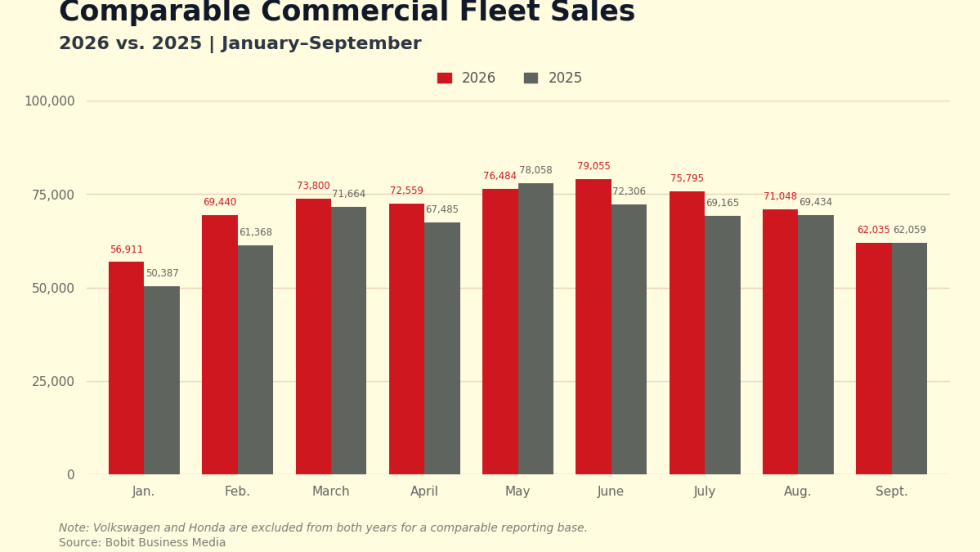
Commercial Fleet Sales Rise 5.8% Through September 2026
September commercial fleet sales were essentially unchanged from a year earlier, slowing year-to-date growth while keeping volume ahead of 2025.
Read More →

GM Launches OnStar Fleet Intelligence Platform With AI Assistant
The new platform brings vehicle data, order tracking, connected services and fleet analytics into one system, with an AI assistant that can answer fleet questions using natural-language prompts.
Read More →

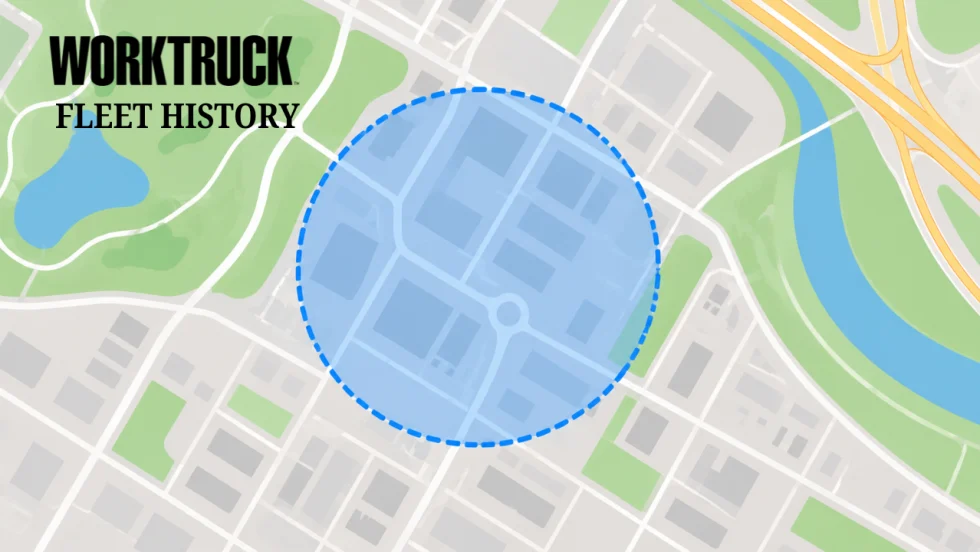
GeoFencing Adds to Your Truck Security Arsenal
Geofencing is a familiar fleet tool today, but its early adoption marked a major shift in vehicle tracking, route monitoring, and the debate over employee privacy.
Read More →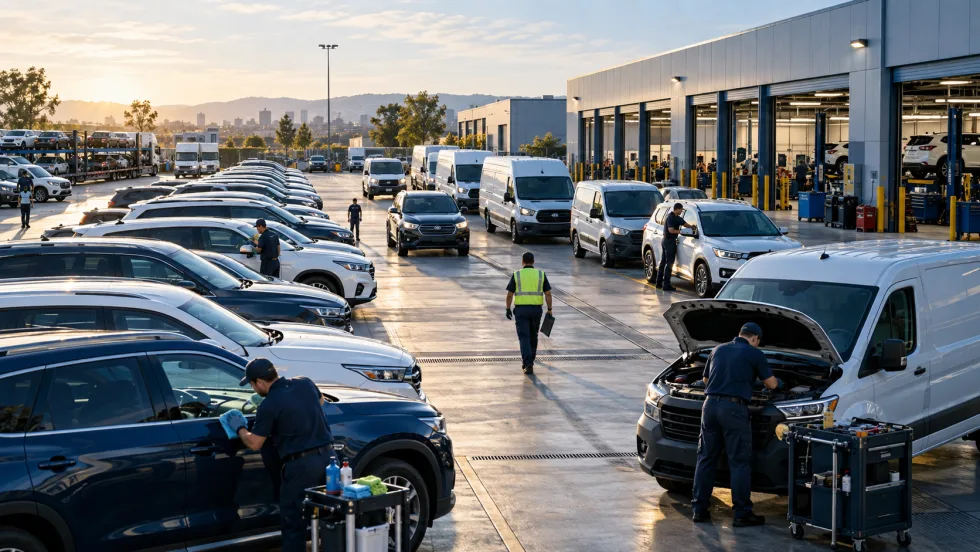
Fleet Operations, Unfiltered: Operators Share What Actually Works for Scale
Read More →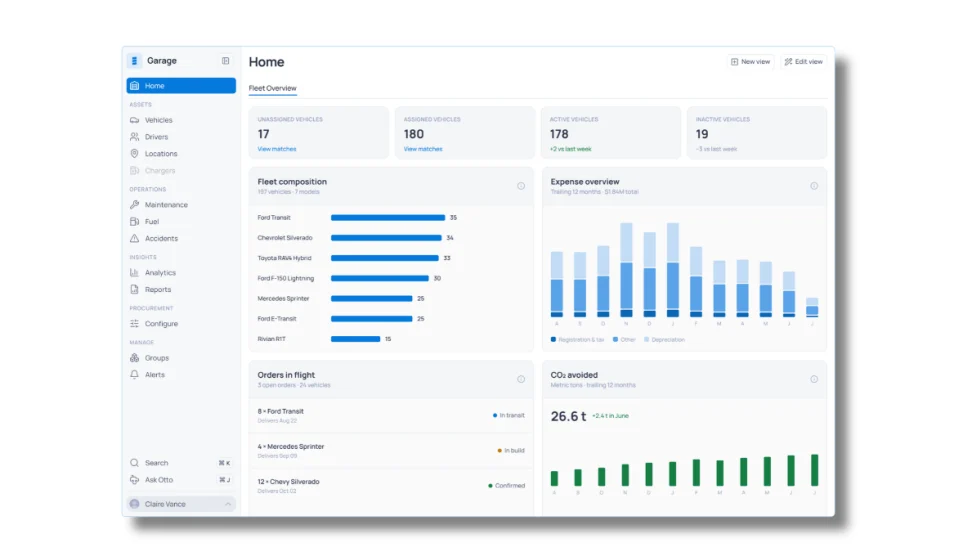
Inspiration Fleet Introduces Garage 2.0 Fleet Intelligence Platform
Fleet managers increasingly have access to data from vehicles, telematics, fuel, charging, and other systems, but those sources don't always communicate with one another. Inspiration Fleet's Garage 2.0 platform brings that information together while letting fleets keep working with different technology and service providers.
Read More →
Erin Gilchrist Receives Mike Antich Spirit of Fleet Award
Last week at AFLA in Vegas, Erin Gilchrist received the inaugural, brand-new Spirit of Fleet Award.
Read More →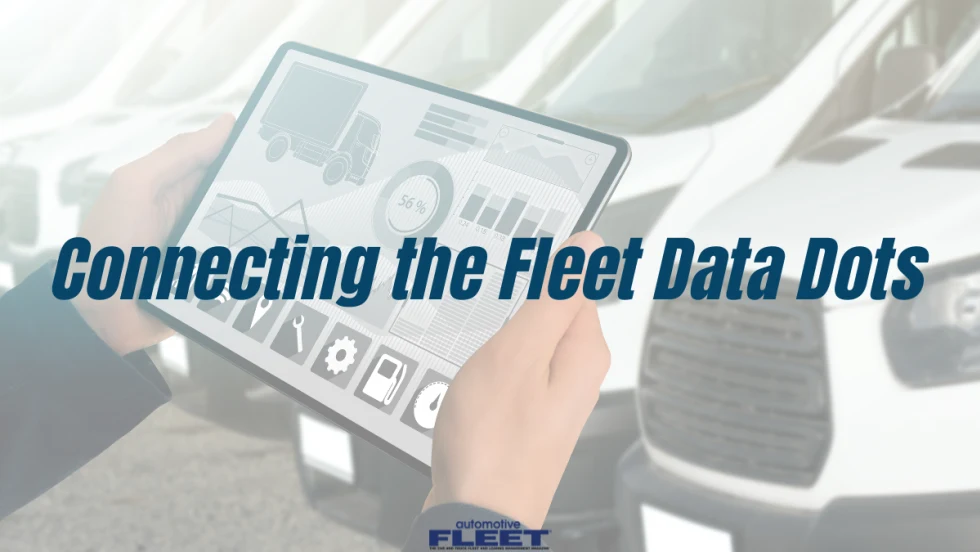
Inside Inspiration Fleet’s New Platform for Connecting Fleet Data
Inspiration Fleet CTO Chris Getner explains how the new Garage 2.0 platform is designed to connect disparate fleet data and what that could mean for fleet managers in practice.
Read More →
Avis Budget Group Deploys Neology Toll Management Technology Across Major Brands
Neology’s neoFleet platform will manage toll transactions and toll-authority operations for vehicles across Avis, Budget, Payless, Budget Truck and Zipcar.
Read More →
Fleet Personal-Use Charges Edge Higher in 2026
Nearly eight in 10 surveyed fleets allow personal use of company vehicles, while just over half of respondents report charging employees for the privilege.
Read More →