




Telematics Case Study: Reporting Mileage
Borets-Weatherford needed a more accurate way to report to the State of Texas the total miles driven and gallons purchased in order to maintain its International Fuel Tax Agreement license.

Screenshot via NewsOn6.
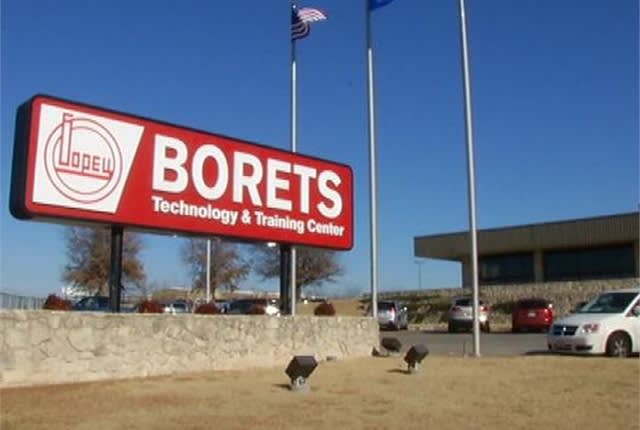
Screenshot via NewsOn6.
Borets-Weatherford is a subsidiary of Borets, a leading global provider specializing in the engineering, manufacture, sales and service of Electric Submersible Pump systems (ESPs).
The Fleet: Borets-Weatherford operates a fleet of nearly 50 trucks.
The Challenge: In July 2012 Borets-Weatherford (BW) faced specific challenges that required it to find a fast and efficient solution.
First, the company needed to find a more accurate way to report to the State of Texas the total miles driven and gallons purchased in order to maintain its International Fuel Tax Agreement (IFTA) license.
Second, with the rising cost of fuel, it was also imperative to take control of fuel consumption and stop unnecessary fuel purchases.
The Solution: The telematics solution BW chose provided the ability to automatically generate the IFTA report, determine and monitor fuel consumption for each unit and driver, and efficiently monitor vehicle location at all times.
The Results: The benefit to IFTA was immediate. Since implementation, there has been a significant decrease of monthly fuel purchases for DOT units. On average, DOT drivers purchase 109 less gallons of fuel per month than they did prior to GPS tracking. Meanwhile, the total miles driven have remained constant. This suggests that the vehicles are used more efficiently and fuel abuse is on the decline.
Based upon the results of the statistical analysis of driving and purchasing behavior pre- and post-GPS implementation, for DOT units alone, BW has saved between $79,000-$80,000 in fuel purchases since July 2012.
More Telematics
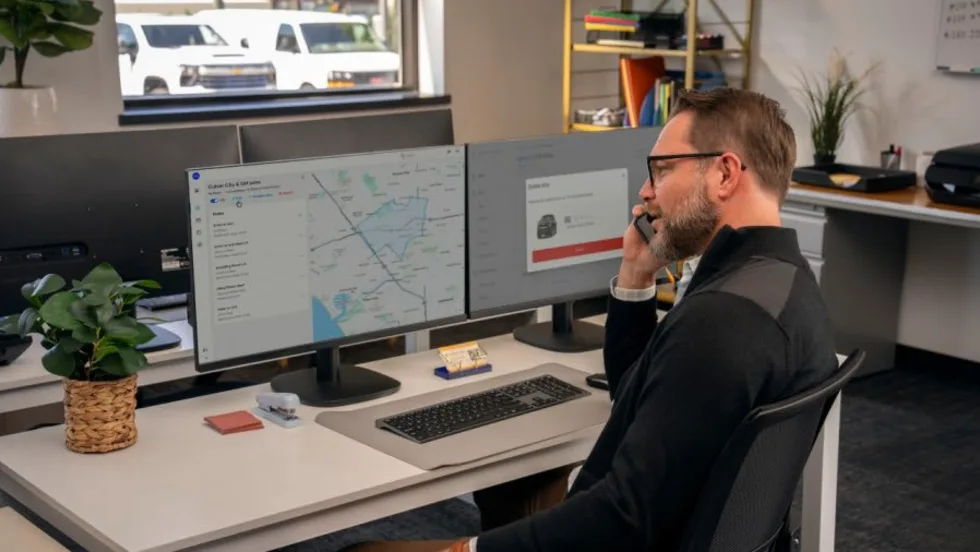
GM Launches OnStar Fleet Intelligence Platform With AI Assistant
The new platform brings vehicle data, order tracking, connected services and fleet analytics into one system, with an AI assistant that can answer fleet questions using natural-language prompts.
Read More →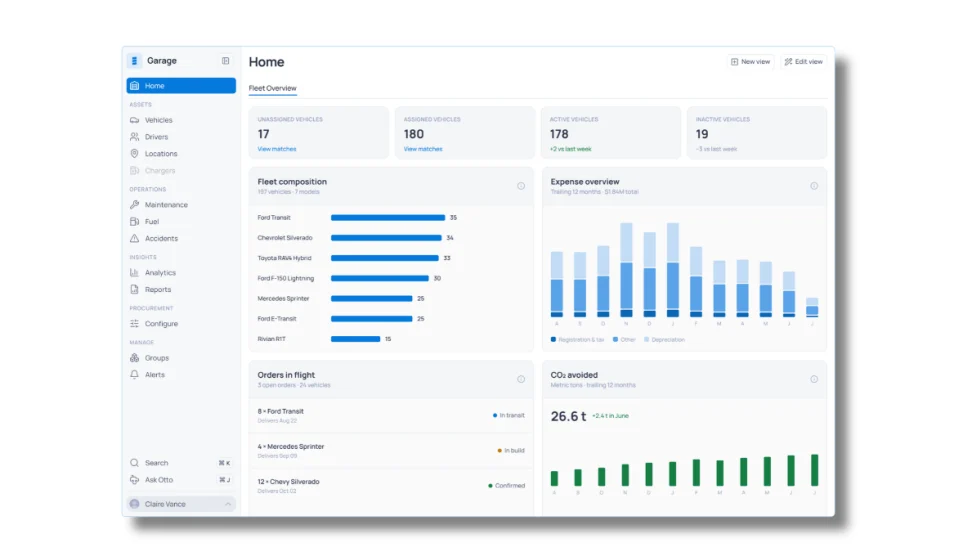
Inspiration Fleet Introduces Garage 2.0 Fleet Intelligence Platform
Fleet managers increasingly have access to data from vehicles, telematics, fuel, charging, and other systems, but those sources don't always communicate with one another. Inspiration Fleet's Garage 2.0 platform brings that information together while letting fleets keep working with different technology and service providers.
Read More →
Inside Inspiration Fleet’s New Platform for Connecting Fleet Data
Inspiration Fleet CTO Chris Getner explains how the new Garage 2.0 platform is designed to connect disparate fleet data and what that could mean for fleet managers in practice.
Read More →
Fleet Manager’s Ultimate Playbook: Navigating the New Standard in OEM Connectivity
Rising operating costs, driver safety concerns, and unplanned downtime are putting unprecedented pressure on modern fleets. Discover how fleet managers use embedded OEM connectivity and real-time vehicle data to cut TCO, prevent downtime, and protect drivers without aftermarket telematics hardware.
Read More →
Samsara Driver Perks Adds New Benefit for Corporate Fleet Drivers
The rewards program gives eligible professional drivers access to discounts from more than 50 brands while giving fleets another way to support recruitment, retention, and the driver experience.
Read More →
Inside the Church of Jesus Christ of Latter-day Saints’ Two-Track Telematics Strategy
With 20,000 vehicles and two fundamentally different driver populations, the Church faced a fleet management problem that a single telematics program couldn't solve. How it responded offers a replicable framework for any fleet where one size doesn't fit every driver.
Read More →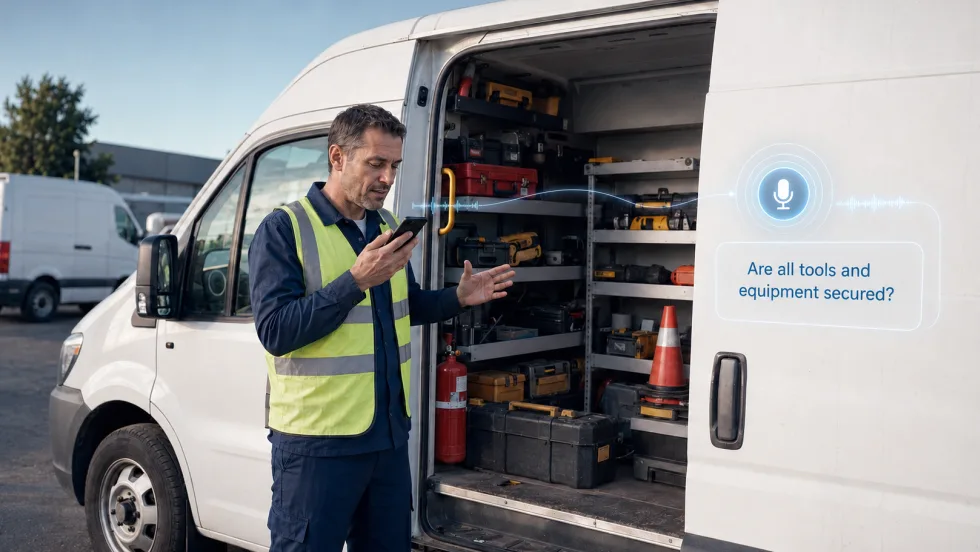
How Conversational AI Can Make Fleet Tasks Easier for Drivers
While most generative AI tools help fleet managers interpret data at their desks, Connex2X is applying voice interaction to tasks behind the wheel.
Read More →
Why Fleets Are Creating Dedicated Fleet Analyst Positions
Are fleet analyst positions the new norm? Listen here to find out.
Read More →
Teletrac Navman Begins Next Chapter as Standalone Private Company
What's new with Teletrac Navman and its new owner?
Read More →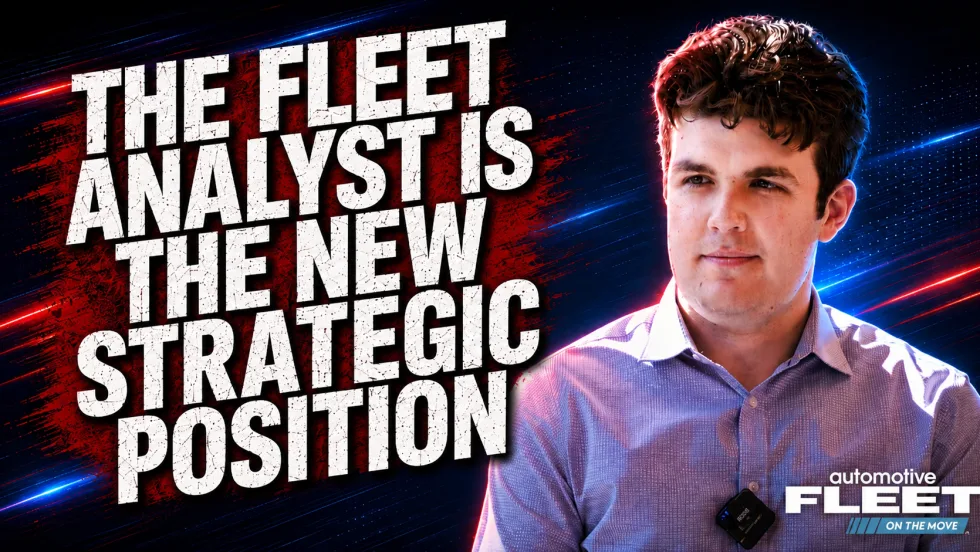
Why Fleets Are Creating Dedicated Fleet Analyst Positions
Telematics, AI, EVs, and connected technologies are generating more fleet data than traditional teams can effectively manage. Reed Jackson explains why dedicated fleet analytics roles are emerging to turn that information into better operational decisions.
Read More →