




Telematics Case Study: Monitoring Productivity
Lane Valente wanted to monitor productivity, including the time it took techs to arrive on the job and time to completion. The company also wanted to monitor unauthorized use of vehicles and ensure the accurate billing of hours and payroll.
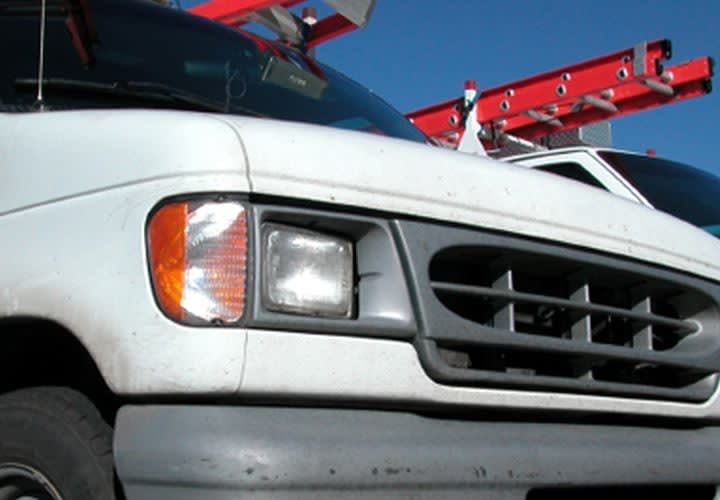
Photo via Lane Valente.
Photo via Lane Valente.
Founded in 1989 as a regional maintenance service provider, Lane Valente Industries has grown every year by offering the most comprehensive and efficient solutions in retail. Today the company is a leading provider of facility maintenance, project management, and energy services.
Lane Valente caters to high-volume remodels, sending skilled technicians in a company vehicle to provide facilities solutions for plumbing, electrical, HVAC, retail lighting, and refrigeration maintenance.
The Fleet: Lane Valente operates a fleet of 172 units, including vans and bucket trucks.
The Challenge: With a continually expanding fleet, Lane Valente wanted to monitor productivity, including the time it took techs to arrive on the job and time to completion. The company also wanted to monitor unauthorized use of vehicles and ensure the accurate billing of hours and payroll.
The Solution: To address these challenges, Lane Valente turned to a cloud-computing platform that offers visibility into day-to-day fleet operations so it can identify, manage, and improve areas such as driver safety, customer service, back-office administration, fuel use, and fleet efficiency.
The Results: "Since implementing our solution, the fleet has improved driver safety by monitoring mobile worker status and reducing unsafe driving maneuvers," said Michael Moran, field quality control officer and fleet manager at Lane Valente. "We've also expanded business intelligence by enabling data-driven decisions, strengthened compliance, and increased customer satisfaction. In addition, using telematics has increased workflow productivity, reduced fuel costs, and improved asset utilization."
Lane Valente also uses telematics to monitor drivers' locations so the company knows immediately who to send for emergency calls, as well as ensure techs service customers fully. Using a field service solution, Lane Valente can evaluate the effectiveness of work by analyzing fuel usage, number of hours on the job, scheduling and dispatch time, as well as other metrics.
Telematics have also helped the company track stolen vehicles. Lane Valente had four trucks taken, but with GPS connected, the vehicle can be located within minutes or hours of when it was reported missing.
Lane Valente also uses telematics to monitor unauthorized use. Each morning, Moran receives an exception report via e-mail showing all vehicles that were used during off hours. He then checks this report against the dispatch report to confirm that the use was warranted.
"At first, drivers thought the GPS system was a way for us to check up on them, but after time they saw it has helped them," Moran said. "No more questions about what time they got to the job and how could it take so long to get to the site." He added that this information is monitored daily to ensure an accurate payroll and client services.
More Telematics
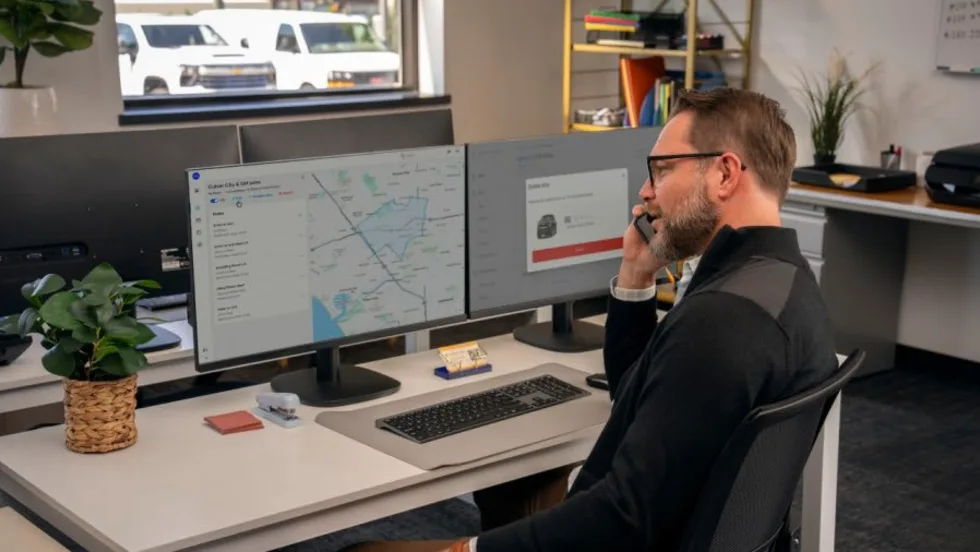
GM Launches OnStar Fleet Intelligence Platform With AI Assistant
The new platform brings vehicle data, order tracking, connected services and fleet analytics into one system, with an AI assistant that can answer fleet questions using natural-language prompts.
Read More →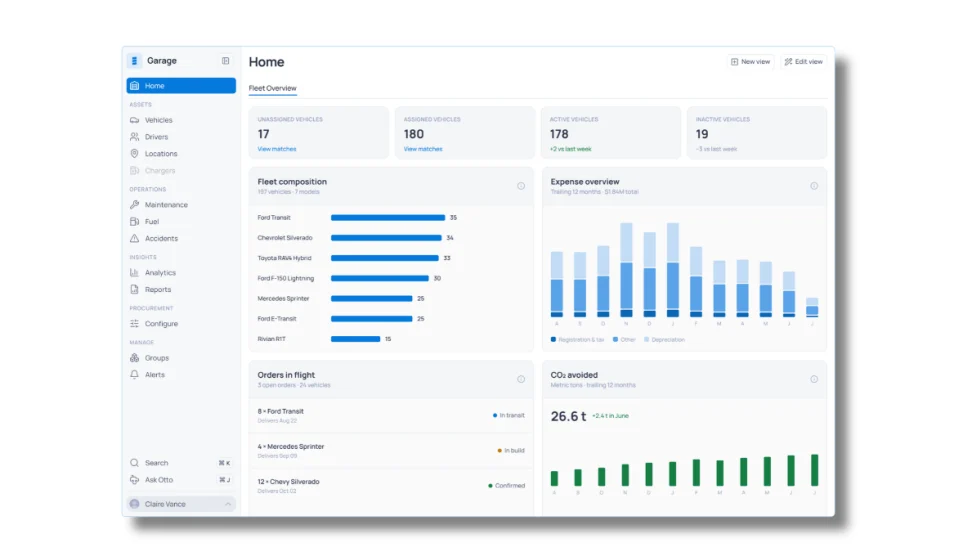
Inspiration Fleet Introduces Garage 2.0 Fleet Intelligence Platform
Fleet managers increasingly have access to data from vehicles, telematics, fuel, charging, and other systems, but those sources don't always communicate with one another. Inspiration Fleet's Garage 2.0 platform brings that information together while letting fleets keep working with different technology and service providers.
Read More →
Inside Inspiration Fleet’s New Platform for Connecting Fleet Data
Inspiration Fleet CTO Chris Getner explains how the new Garage 2.0 platform is designed to connect disparate fleet data and what that could mean for fleet managers in practice.
Read More →
Fleet Manager’s Ultimate Playbook: Navigating the New Standard in OEM Connectivity
Rising operating costs, driver safety concerns, and unplanned downtime are putting unprecedented pressure on modern fleets. Discover how fleet managers use embedded OEM connectivity and real-time vehicle data to cut TCO, prevent downtime, and protect drivers without aftermarket telematics hardware.
Read More →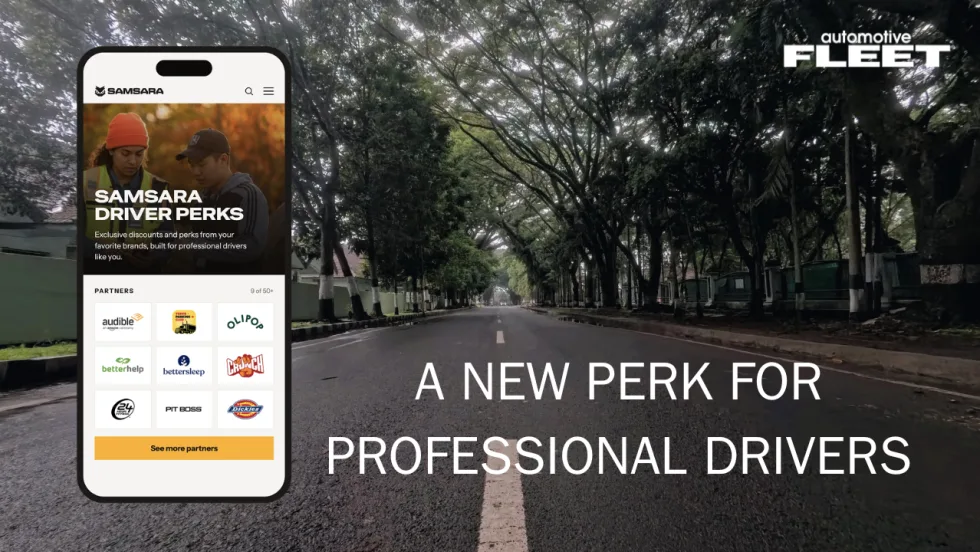
Samsara Driver Perks Adds New Benefit for Corporate Fleet Drivers
The rewards program gives eligible professional drivers access to discounts from more than 50 brands while giving fleets another way to support recruitment, retention, and the driver experience.
Read More →
Inside the Church of Jesus Christ of Latter-day Saints’ Two-Track Telematics Strategy
With 20,000 vehicles and two fundamentally different driver populations, the Church faced a fleet management problem that a single telematics program couldn't solve. How it responded offers a replicable framework for any fleet where one size doesn't fit every driver.
Read More →
How Conversational AI Can Make Fleet Tasks Easier for Drivers
While most generative AI tools help fleet managers interpret data at their desks, Connex2X is applying voice interaction to tasks behind the wheel.
Read More →
Why Fleets Are Creating Dedicated Fleet Analyst Positions
Are fleet analyst positions the new norm? Listen here to find out.
Read More →
Teletrac Navman Begins Next Chapter as Standalone Private Company
What's new with Teletrac Navman and its new owner?
Read More →
Why Fleets Are Creating Dedicated Fleet Analyst Positions
Telematics, AI, EVs, and connected technologies are generating more fleet data than traditional teams can effectively manage. Reed Jackson explains why dedicated fleet analytics roles are emerging to turn that information into better operational decisions.
Read More →