




Telematics Case Study: GPS Tracking
TERS implemented a telematics solution that allows the company to view the position of the vehicles, their travel speed, and any traffic issues.
Photo via TERS.
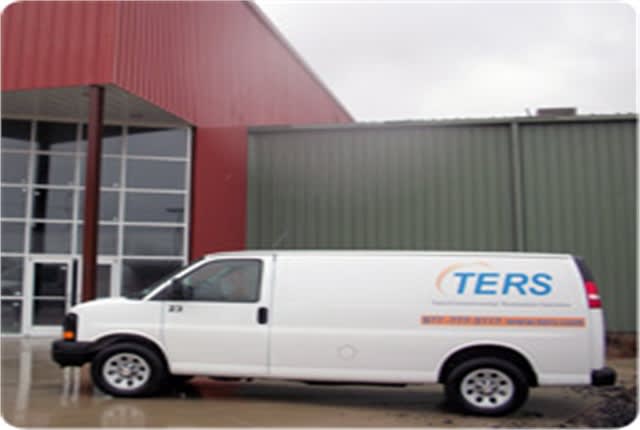
Photo via TERS.
Total Environmental Restoration Solutions (TERS) provides environmental consulting and restoration services for facilities impacted by microbial, fire, and water damage. The company is based in Nanuet, N.Y., and recently served those impacted by Hurricane Sandy.
The Fleet: TERS operates a fleet of seven units.
The Challenge: Gary Shaked, President and Owner of TERS, sought a way to improve time management through more efficient dispatching and oversight of his drivers' activities. Shaked was already familiar with the benefits of GPS from his experience as a soldier in the Israel army, which used GPS to control vehicle location. "When you have a storm it's a similar situation," Shaked said. "Every minute you get hundreds of calls, and the GPS gives you more control. More control for an emergency manager means more efficiency and more money."
The Solution: TERS implemented a telematics solution that allows the company to view the position of the vehicles, their travel speed, and any traffic issues.
The Results: Soon after deploying the system, Shaked noticed measurable business results. With more transparency into the vehicles' whereabouts, he could accept more jobs that he previously would have turned away. "If I know that I'm capable of taking the work — that I'm going to make it to the job site in time — I can commit myself to doing that job," he explained.
Now, Shaked can dispatch vehicles closest to the next call without wasting time. Previously, identifying a driver's location required a series of phone calls. "I can't remember how many times we'd have to call our drivers and say, 'Where are you now?'" Shaked recalled. "Now we require less interaction on the phone because we already know their location. It relieves pressure on my office workers."
TERS' telematics solution has also helped modify staff driving behaviors. Traffic violations are nearly nonexistent now compared to an average of two tickets per month before implementation. Employees are more accountable for their actions, including when and where they stop.
The company has two offices, one of which is managed remotely by Shaked. The company's telematics solution allows him to see when an employee starts the vehicle in the morning. He can also determine whether a driver is being honest about traffic tie-ups. Knowing this, employees are less likely to take breaks in the morning. They're also more punctual and efficient, Shaked said. "There were a lot of issues with check-in times, equipment loading, and stopping in the morning for coffee," he added. "Now that they know I'm watching, they've stopped."
TERS plans to deploy the solution to its freezer trailer as well, so Shaked can track the whereabouts of the trailer and monitor any maintenance issues, such as battery failure.
More Telematics
GM Launches OnStar Fleet Intelligence Platform With AI Assistant
The new platform brings vehicle data, order tracking, connected services and fleet analytics into one system, with an AI assistant that can answer fleet questions using natural-language prompts.
Read More →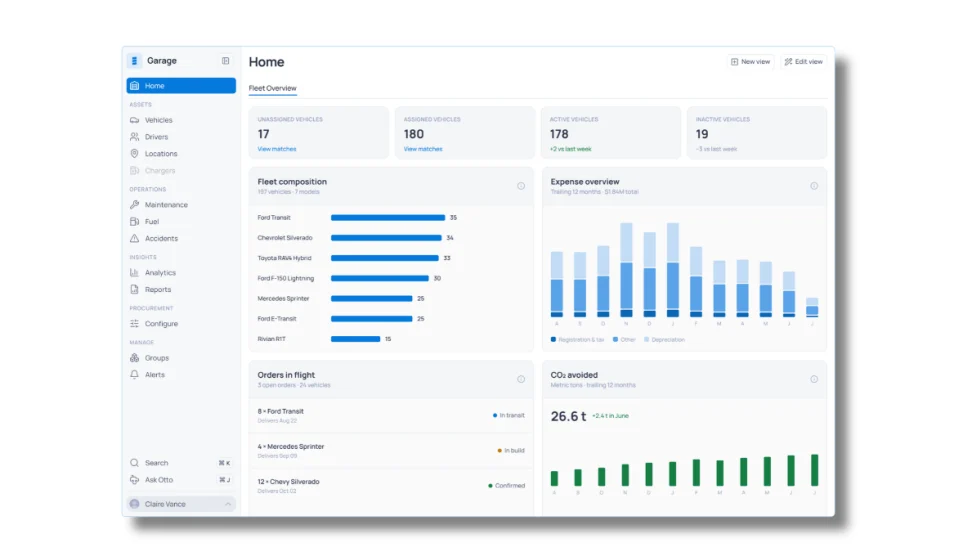
Inspiration Fleet Introduces Garage 2.0 Fleet Intelligence Platform
Fleet managers increasingly have access to data from vehicles, telematics, fuel, charging, and other systems, but those sources don't always communicate with one another. Inspiration Fleet's Garage 2.0 platform brings that information together while letting fleets keep working with different technology and service providers.
Read More →
Inside Inspiration Fleet’s New Platform for Connecting Fleet Data
Inspiration Fleet CTO Chris Getner explains how the new Garage 2.0 platform is designed to connect disparate fleet data and what that could mean for fleet managers in practice.
Read More →
Fleet Manager’s Ultimate Playbook: Navigating the New Standard in OEM Connectivity
Rising operating costs, driver safety concerns, and unplanned downtime are putting unprecedented pressure on modern fleets. Discover how fleet managers use embedded OEM connectivity and real-time vehicle data to cut TCO, prevent downtime, and protect drivers without aftermarket telematics hardware.
Read More →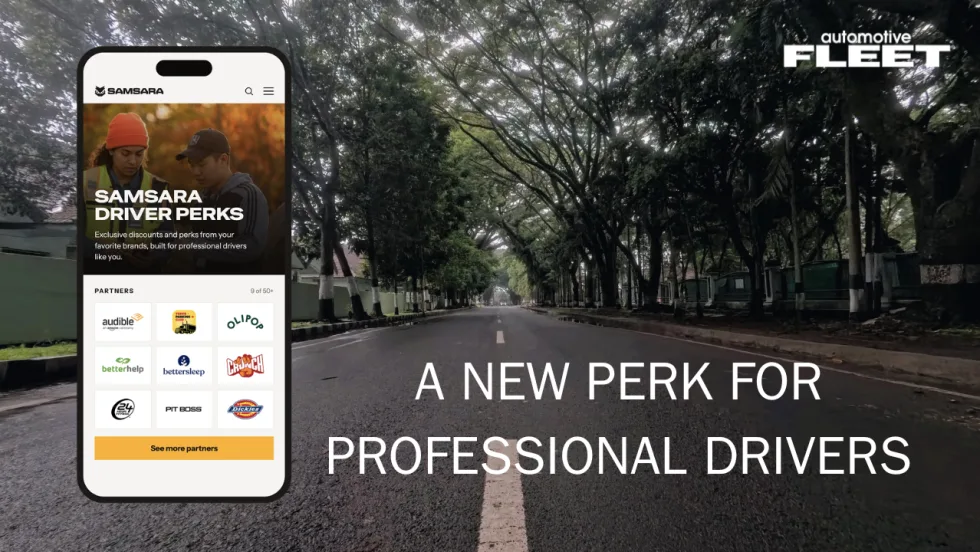
Samsara Driver Perks Adds New Benefit for Corporate Fleet Drivers
The rewards program gives eligible professional drivers access to discounts from more than 50 brands while giving fleets another way to support recruitment, retention, and the driver experience.
Read More →
Inside the Church of Jesus Christ of Latter-day Saints’ Two-Track Telematics Strategy
With 20,000 vehicles and two fundamentally different driver populations, the Church faced a fleet management problem that a single telematics program couldn't solve. How it responded offers a replicable framework for any fleet where one size doesn't fit every driver.
Read More →
How Conversational AI Can Make Fleet Tasks Easier for Drivers
While most generative AI tools help fleet managers interpret data at their desks, Connex2X is applying voice interaction to tasks behind the wheel.
Read More →
Why Fleets Are Creating Dedicated Fleet Analyst Positions
Are fleet analyst positions the new norm? Listen here to find out.
Read More →
Teletrac Navman Begins Next Chapter as Standalone Private Company
What's new with Teletrac Navman and its new owner?
Read More →
Why Fleets Are Creating Dedicated Fleet Analyst Positions
Telematics, AI, EVs, and connected technologies are generating more fleet data than traditional teams can effectively manage. Reed Jackson explains why dedicated fleet analytics roles are emerging to turn that information into better operational decisions.
Read More →